In this fxpodcast, we speak with ILM’s Oscar-winning visual effects supervisor John Knoll about Star Wars: The Mandalorian and Grogu, and more broadly about what it means to continue the visual language of Star Wars nearly five decades after the original film changed cinema.
Knoll’s connection to Star Wars is unusually deep. Few people have been so closely involved in so many different technological eras of the franchise, from the optical and miniature legacy of the original films, through the prequels and the digital turn, to Rogue One, virtual production, and now the theatrical expansion of The Mandalorian. What makes the conversation especially interesting is that Knoll does not treat these as separate eras so much as a continuing ILM problem: how to make impossible images feel photographed, physical and emotionally grounded.
One of the central themes of the discussion is the Star Wars aesthetic itself. Knoll explains how many of the visual details audiences now think of as “classic” Star Wars were not always consistent in the original trilogy. Star fields, blaster bolts, lightsabers and shields varied from shot to shot, and later productions had to turn this inherited visual memory into something more formal. Over time, ILM developed a style book, not as a rigid rule set, but as a way of protecting the feeling of Star Wars while still allowing each new production to evolve.
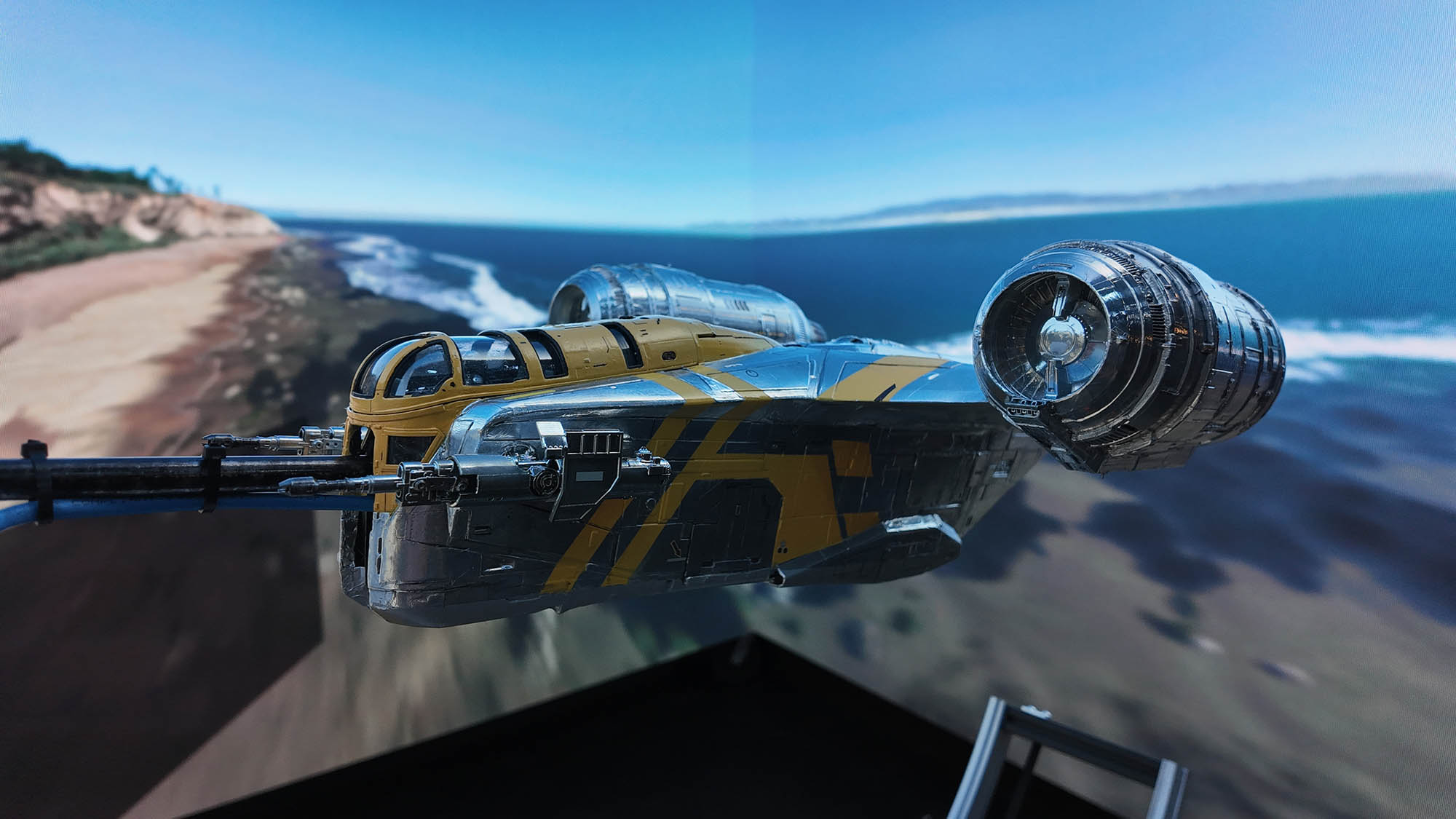
That balance between continuity and invention is at the heart of The Mandalorian and Grogu. The film builds on the virtual production language pioneered by The Mandalorian, but Knoll also describes a particularly elegant return to old-school model photography: shooting the Razor Crest as a miniature inside a small, purpose-built LED volume. Rather than simply placing a model against blue screen or rendering the ship entirely in CG. ILM built an eight-foot LED environment around the miniature Razor Crest so the bare-metal surfaces could pick up real interactive lighting from the LED world around it. The result is a wonderfully hybrid technique: motion-control miniature photography, LED-based environmental illumination, and modern compositing all working together to produce a shot language that feels Star Wars authentically.
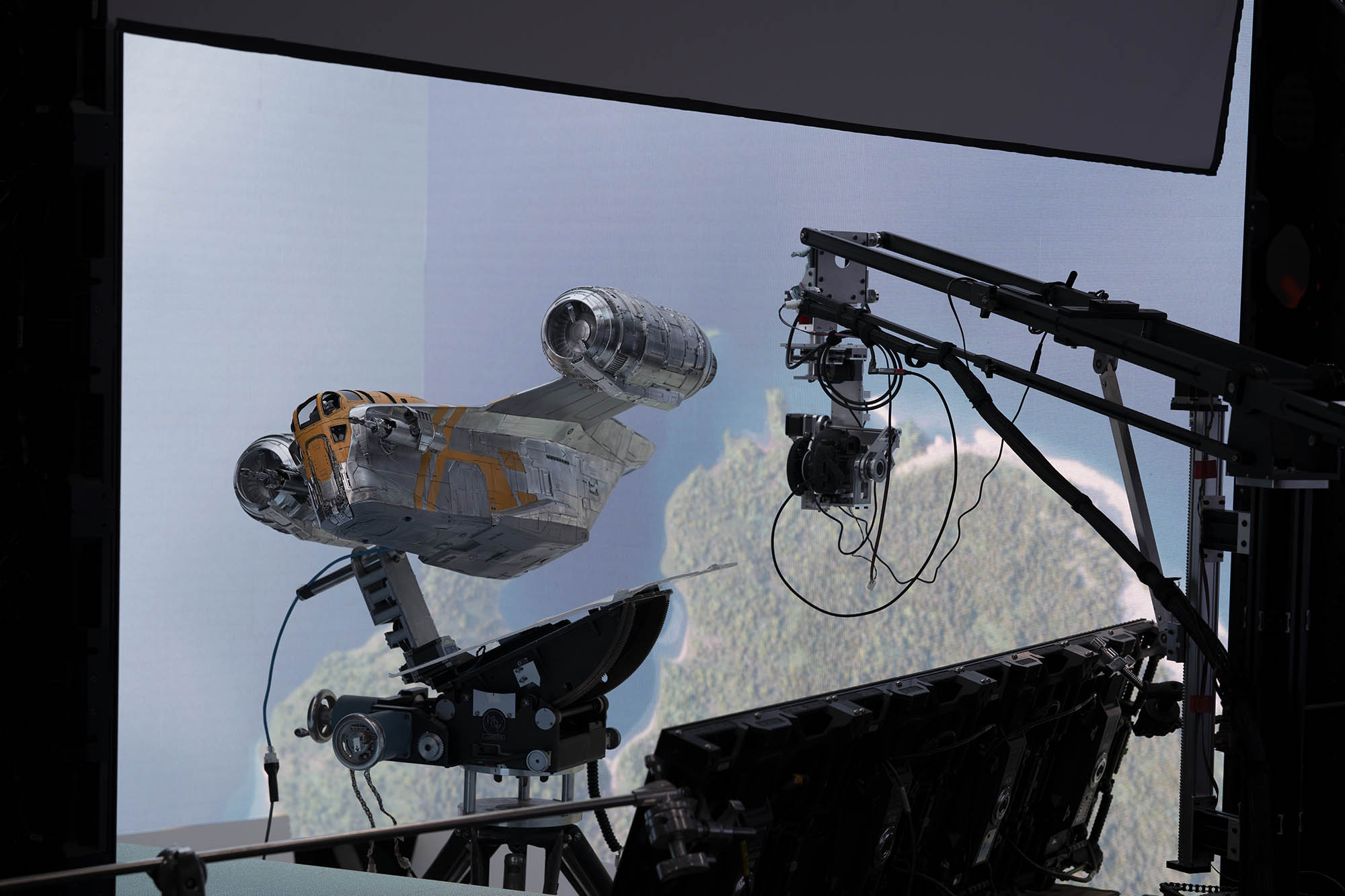
The approach also shows how much thought still goes into apparently simple decisions. The miniature shoot involved multiple passes, with lighting, engines, running lights and blue screen elements separated to give compositors flexibility later. Knoll discusses the practical complications of using LED panels at miniature scale, where the relative size of the LED raster becomes more visible and can create edge aliasing problems. These are exactly the kinds of details that are invisible when a shot works, but they are also the craft decisions that make the image feel tactile rather than synthetic.
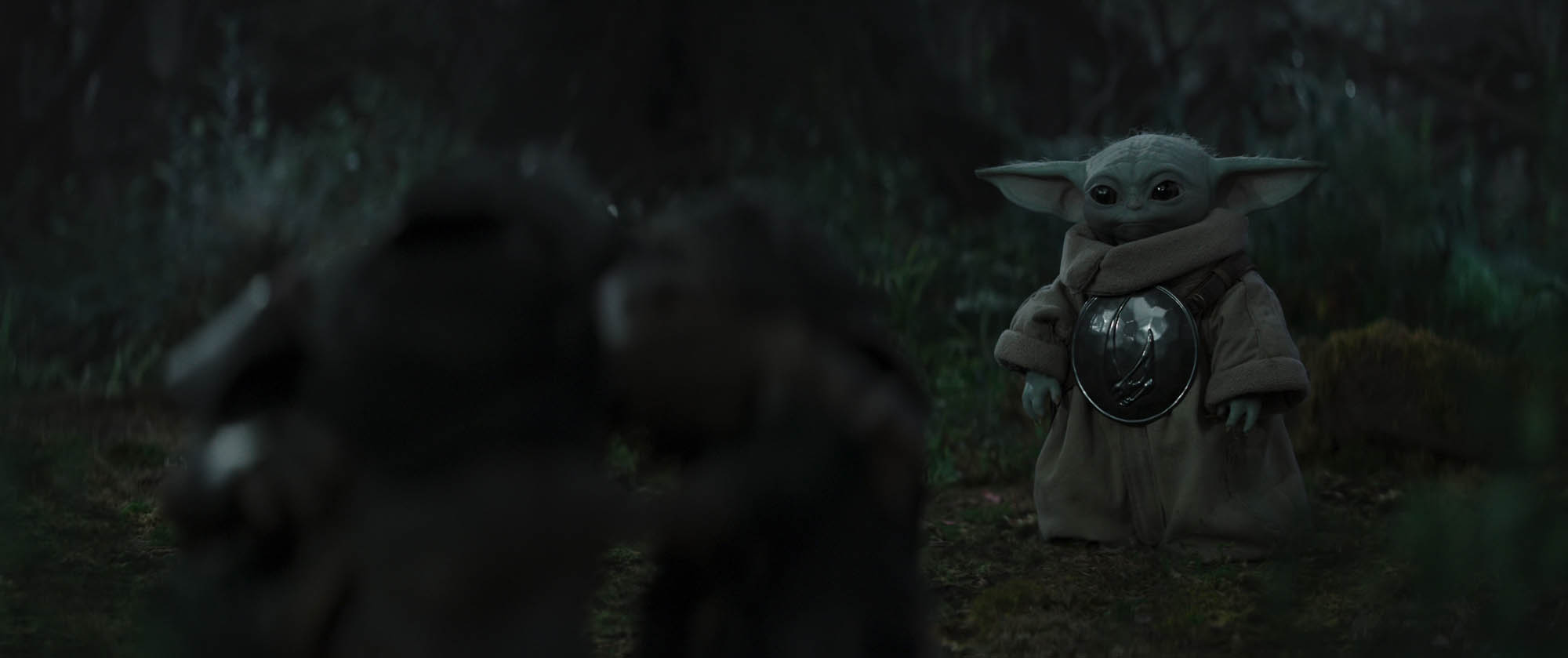
The conversation also focuses Grogu, whose appeal depends on a carefully maintained sense of physical presence. Knoll explains how the original production logic around Grogu shifted from digital-first to puppet-first because the practical puppet built by Legacy Effects offered more performance and charm than expected. That decision has consequences for the digital work. When Grogu does need to be CG, ILM’s animators are not simply trying to create the most anatomically perfect version of the character. They are trying to match the limits, weight, appeal and slight handcrafted quality of the puppet. In other words, the digital performance has to emulate the physical one, not replace it.
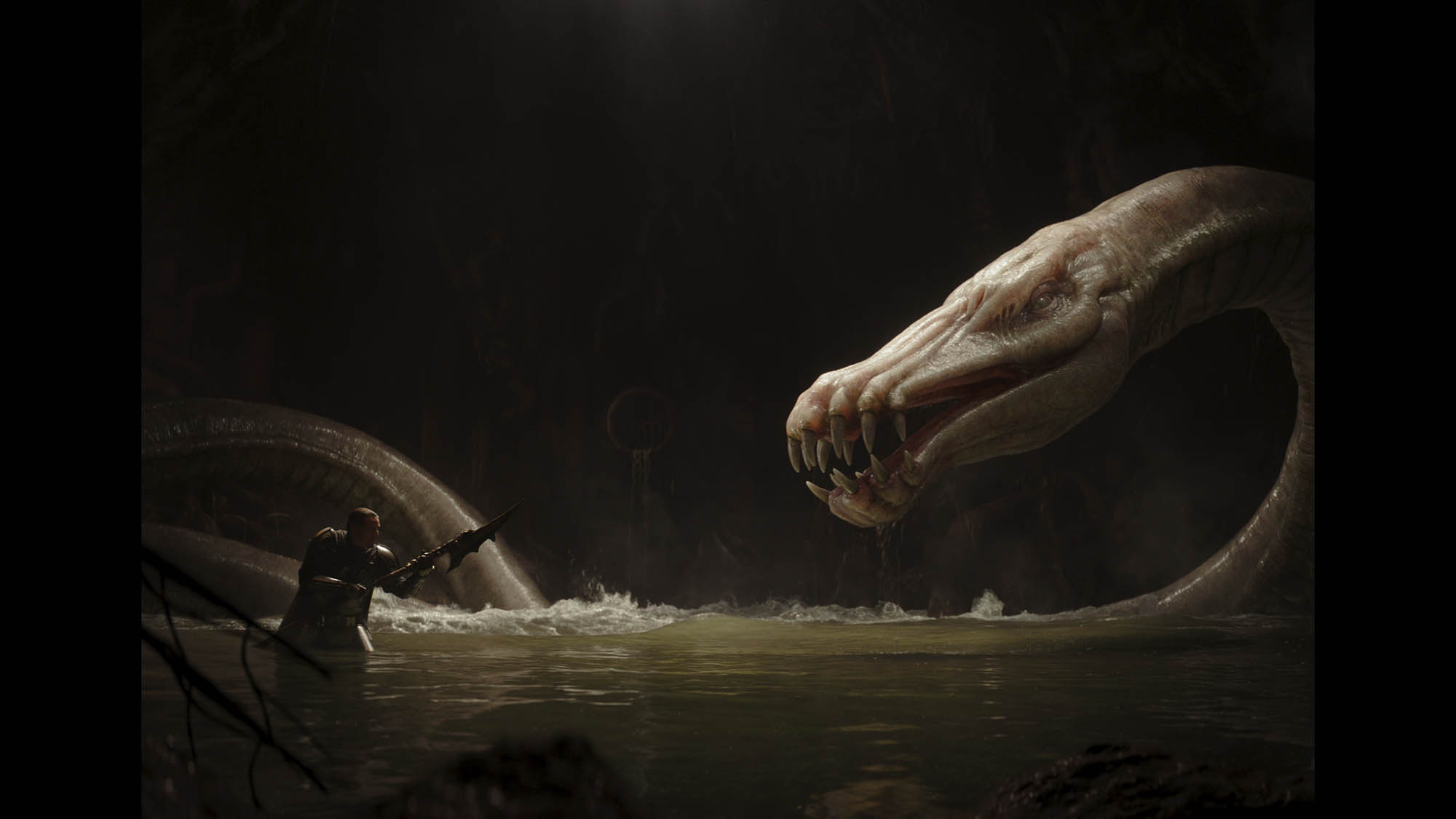
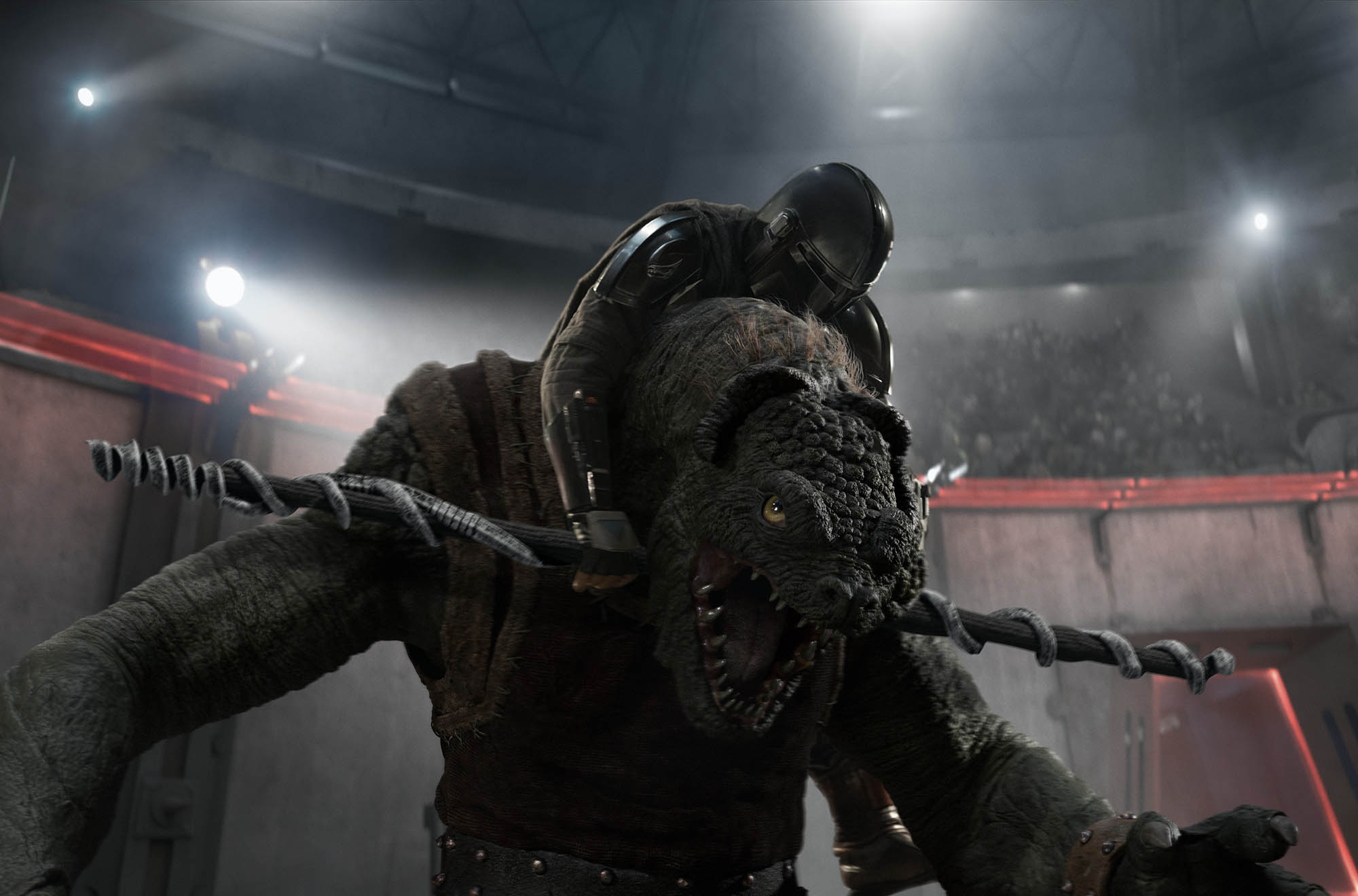
That same philosophy extends to the film’s alien characters and creature work. Knoll discusses the challenge of taking familiar Star Wars creature language and pushing it into new territory, particularly with more active and expressive alien characters. The film asks some creatures such as the Hutts, to do things audiences have not traditionally seen before, – move faster, fight, speak English, and carry real emotional nuance. The challenge is not simply technical. It is one of taste, design and restraint: how far can a character be pushed before it stops feeling like it belongs in the Star Wars universe?

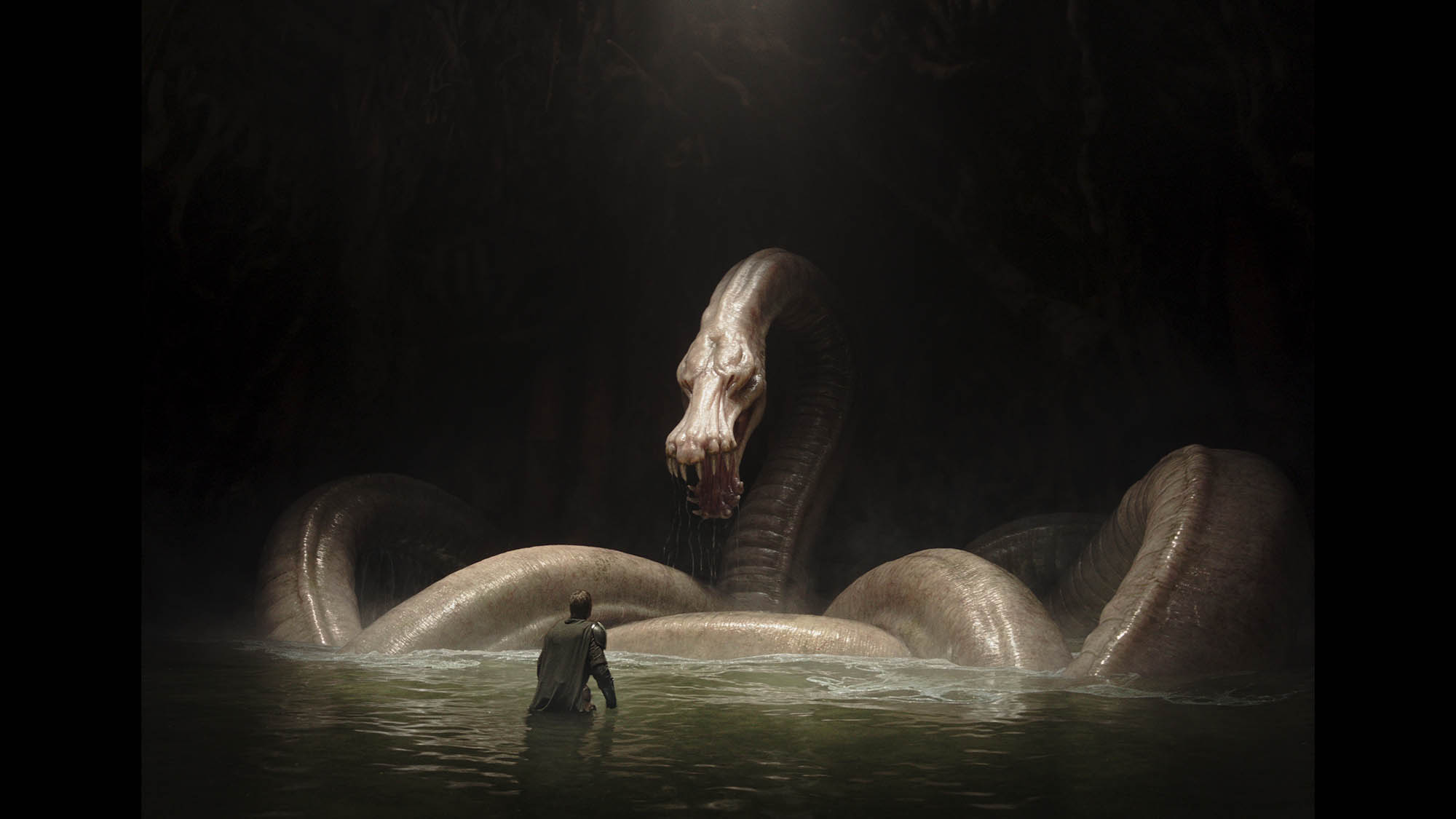
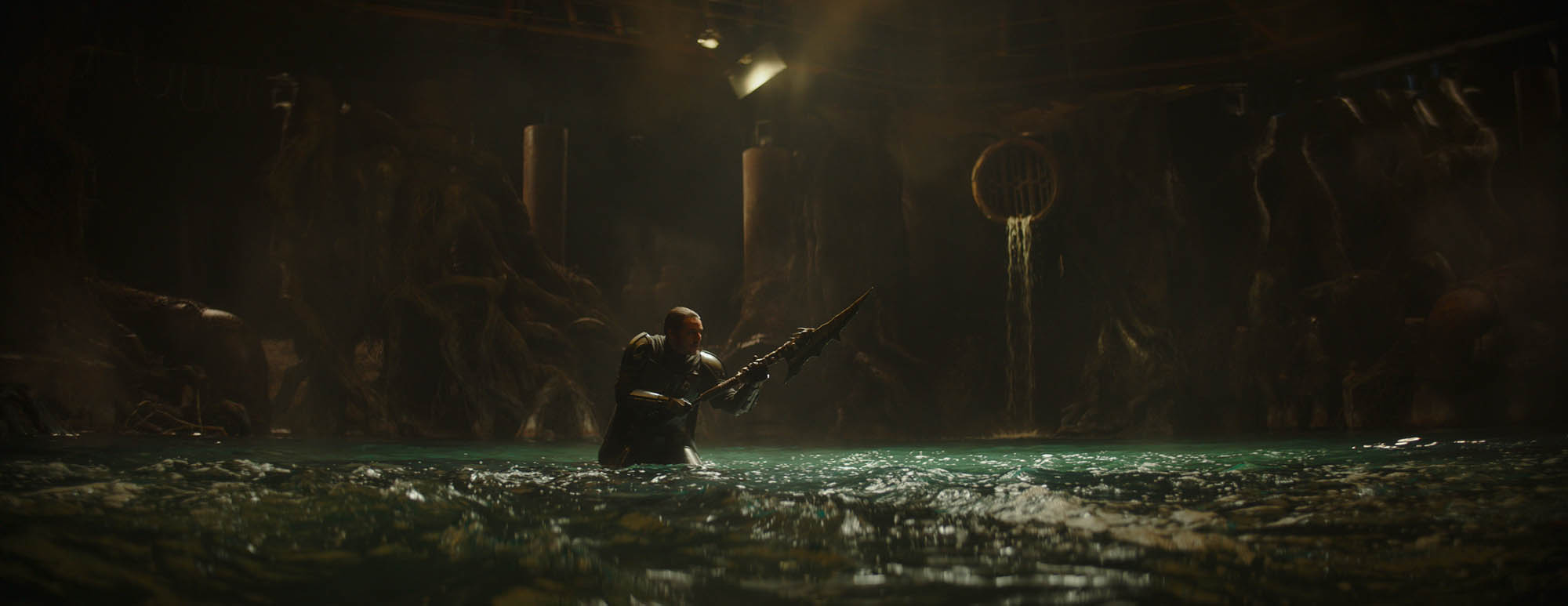
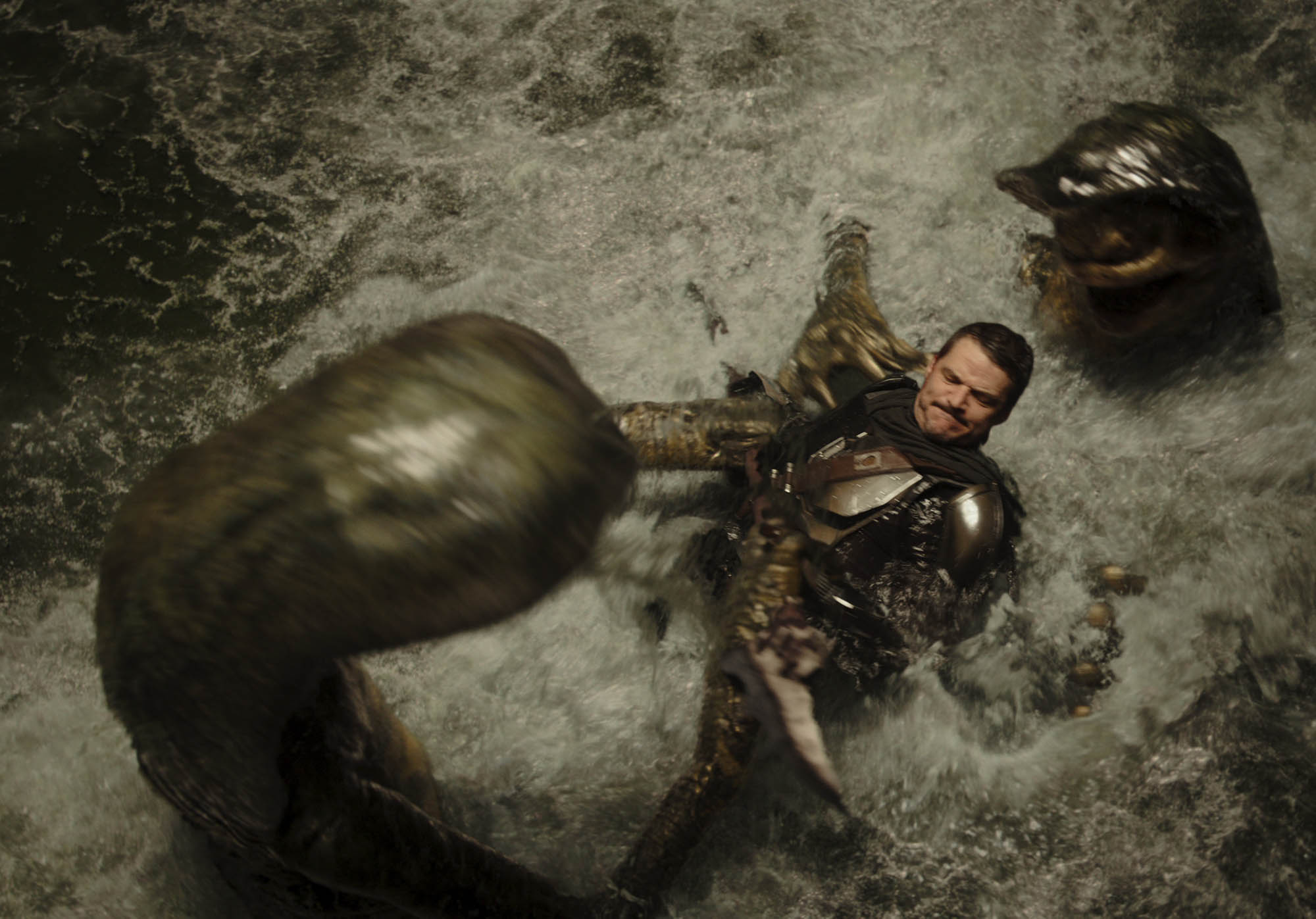
One of the most technically involved examples is a water-based sequence in which live-action performers, physical sets, digital creatures and water simulations all have to be integrated. Knoll describes the difficulty of preserving photographed water where possible while extending or replacing it with simulation where the creature interaction demands it. Water remains one of the great stress tests of visual effects because it carries so many cues at once: surface motion, reflections, refractions, splashes, scale and contact with the performers. The work required a careful blend of the photographed and the simulated, with ILM’s Vancouver team delivering the kind of invisible complexity that audiences feel long before they consciously notice it.
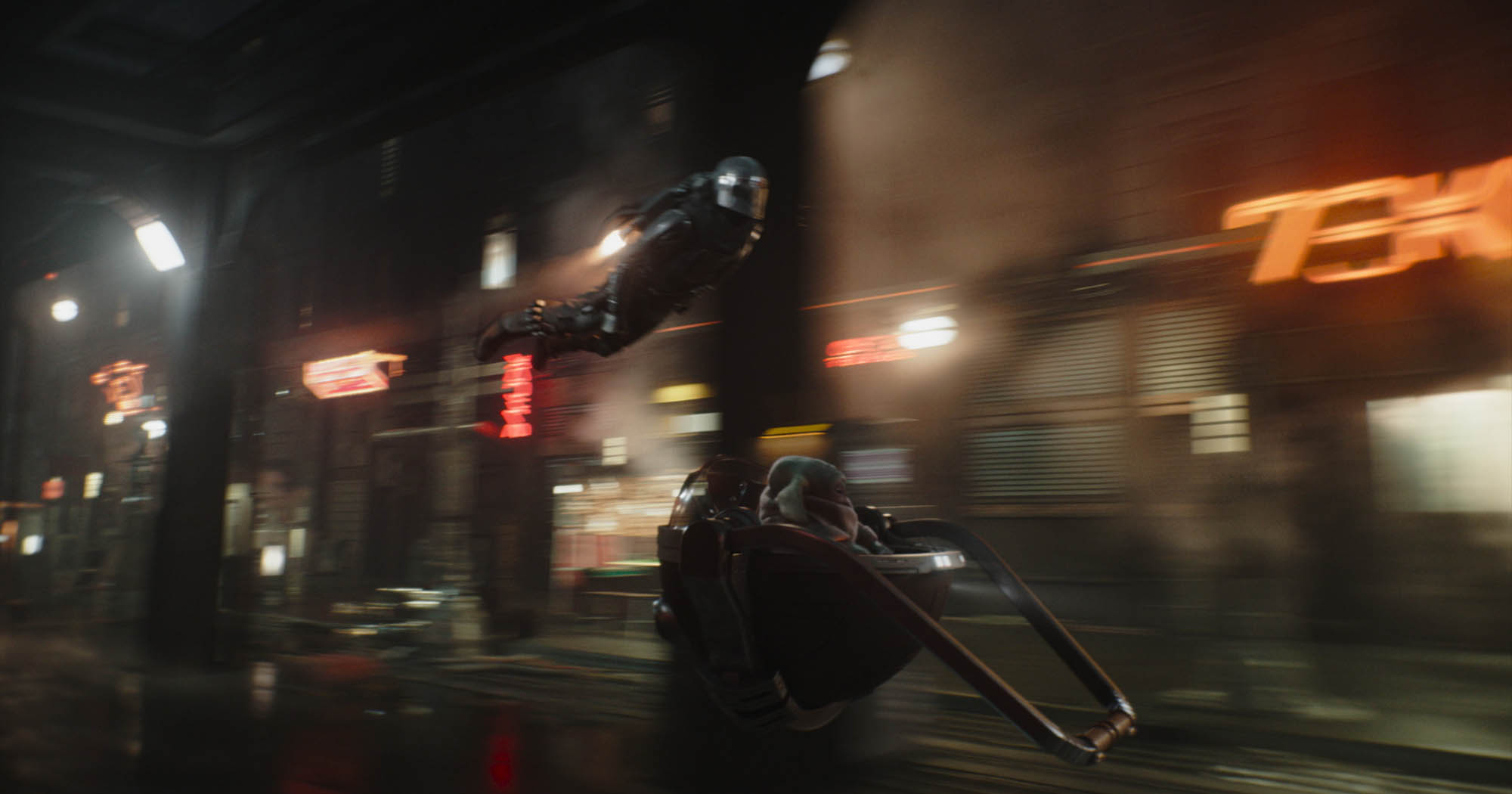
The podcast also looks at the Shakari Street environment, where ILM used a real location enhanced by a tracked distant LED wall rather than simply defaulting to a conventional volume stage or blue screen. This is a subtle but important point, – virtual production is not just one technique; it is a set of options. In this case, the LED wall extended the practical street into the distance, while wet-down floors and camera tracking helped combine the physical and digital worlds together. The result works and provided the filmmakers a great practical set to shoot.
By the end of the discussion, Knoll’s position on visual effects is clear: VFX is not a trick used to compensate for reality, nor is it a lesser form of filmmaking. It is one of the core collaborative disciplines of modern cinema. Miniatures, puppets, LED walls, digital animation, simulations and compositing are all part of the same filmmaking continuum. The point is not whether something is “real” in a simplistic sense. The point is whether the final image serves the story, feels coherent in the world, and carries the emotional weight the film needs.