
This fxguide content is sponsored by HP
Impossible Objects is a Los Angeles, CA-based visual effects company that enhances its artist-driven VFX pipeline with custom workflows in ComfyUI, fine-tuned for production work. The company primarily produces advertising campaigns for brands that include Porsche, Cadillac, Subaru, Nike, Google, and more. Nhan Le, AI Lead, has navigated the studio through an AI integration journey that gives the boutique studio “superpowers” to operate at a level and volume of output comparable to much larger facilities. In addition to advertising projects, the Impossible Objects (IO) team also delivers VFX for film and television.
A majority of IO’s highly realistic VFX work is created using generative AI tools trained on data from original video inputs combined with traditional CG workflows. In order to support the compute demands of its AI-boosted production workflow, the studio recently added two HP ZGX AI stations, accelerated by the integrated NVIDIA GB10 Grace Blackwell Superchip.
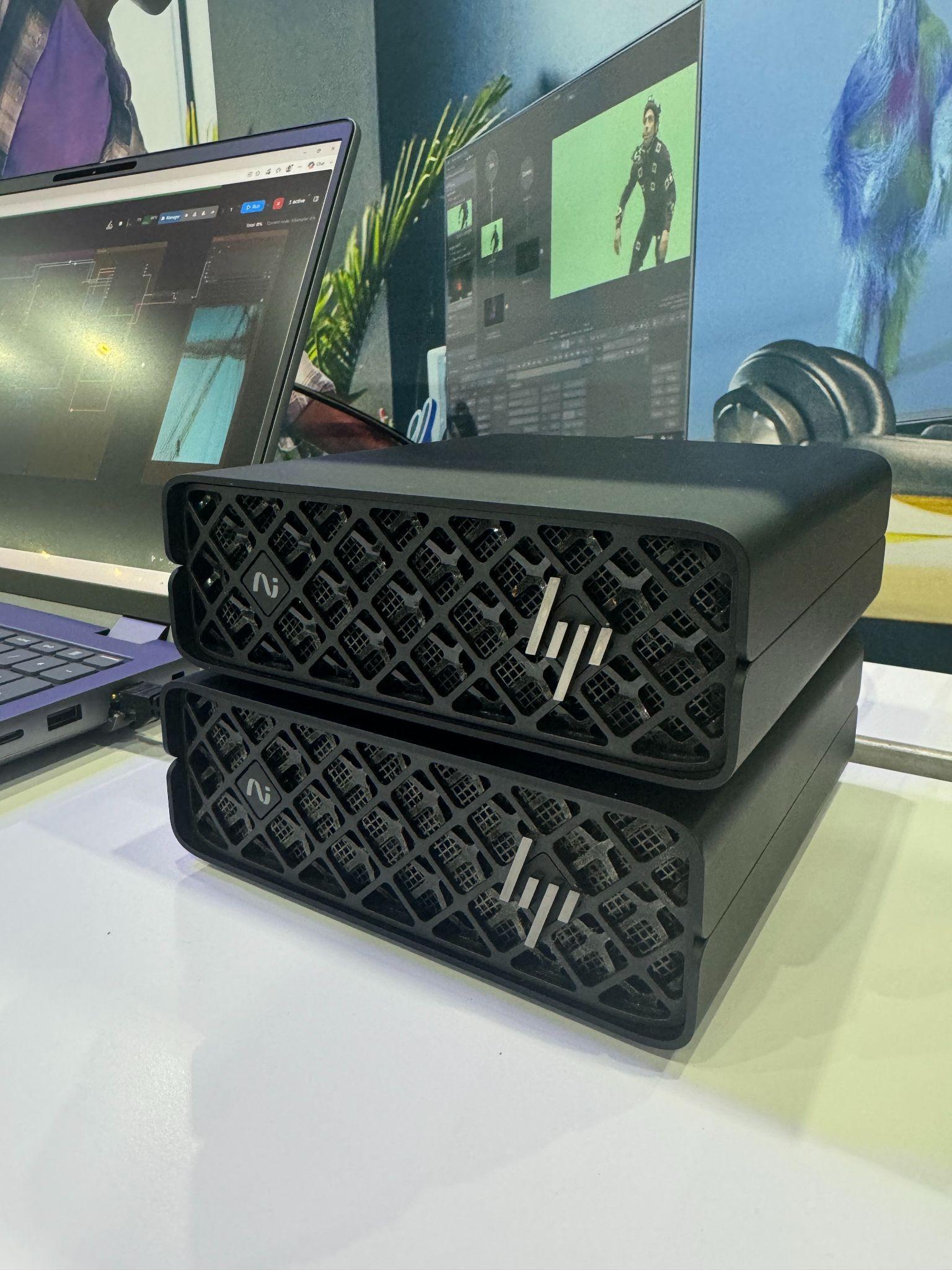
“The spots we do for car brands are highly scrutinized, and generally AI video models can’t deliver the level of photorealism demanded of this kind of work,” explained Le. “However we have found a sweet spot when we combine traditional 2D compositing and VFX with custom trained models and workflows to take advantage of the time and resource-saving benefits of generative AI. The HP ZGX Nano boxes give us the speed, power and scalability that we need to support that workflow on our network.”
Provenance and security considerations
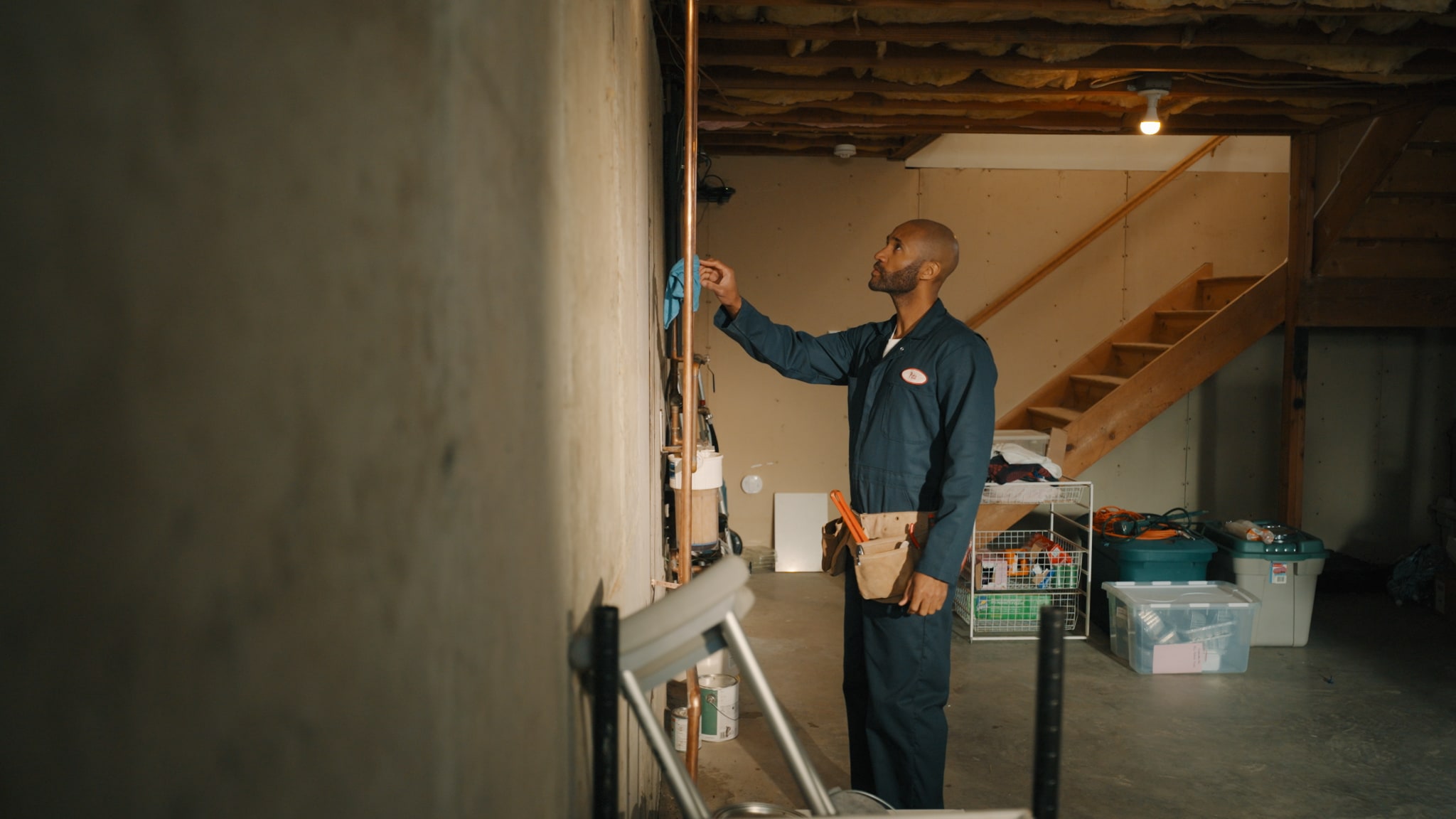
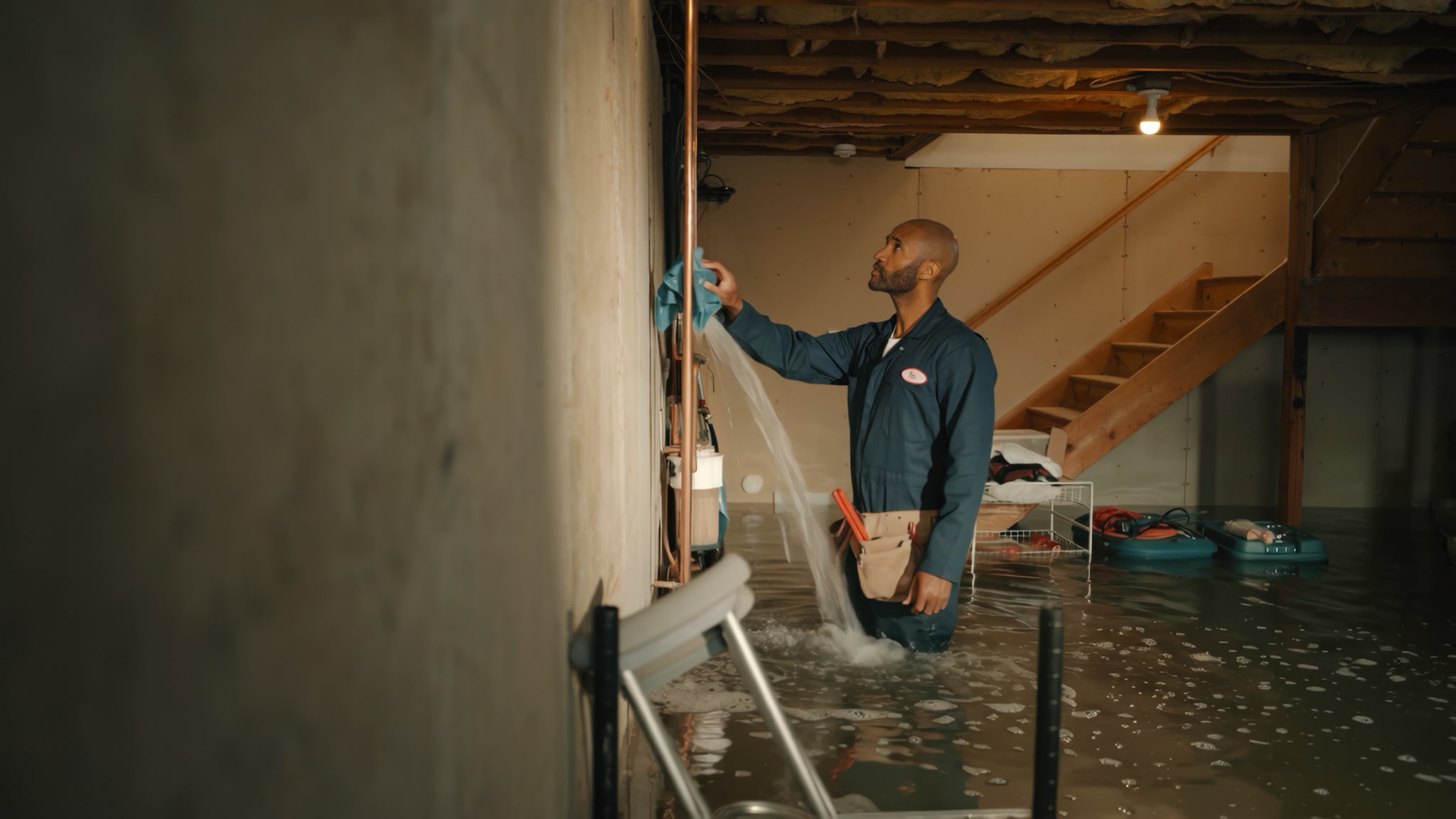
When IO works with brands, advertising agencies or entertainment clients, one of the biggest concerns in using generative AI is provenance, or being able to track back to the origination of every asset that is being put into the generation of a model. It’s also paramount to ensure that these same assets, many of which are based on proprietary brand IP or designs, are not released into cloud-based private models.
“We don’t deliver fully generative shots to clients because currently there are limitations on resolution and color. But by combining it with traditional 2D compositing, we’re able to take the best parts of generative AI and make it production friendly. With the ZGX Nanos we’re also able to keep everything local and on prem, which is a massive security consideration for our clients who don’t want to take the risk of working with vendors who upload footage and files to LLMs in the cloud,” said Le.
IO uses open source models but fine tunes them based off of actual footage captured in-house, so the origination and ownership of all assets are tracked from start to finish. Even though new models seem to be coming out weekly, the IO approach outlasts the everchanging pace of new AI tools – and they’re not throwing away any of the work they’ve been doing in service of new releases.
“Once we’ve captured footage, we’ll continue to refine and manipulate latent memory in terms of how the model remembers certain details of the footage during the generation process. With this approach, we’re able to maintain a ton of consistency when working on car campaigns for example, with a lot of small intricate details that need to carry through the shot,” added Le.
Small but superpowered
HP ZGX Nano G1n is a small form factor AI station designed specifically for AI workflows and includes the ZGX Toolkit to get up and running quickly. It provides enterprise-grade local compute and can be used either as an interactive AI development platform or as a networked AI appliance. Le used the ZGX Toolkit to discover and connect to the ZGX Nano, and was instantly able to start pushing ComfyUI jobs to the system. Staying local avoids ballooning cloud costs and protects the studio’s IP. After his initial success, Le was able to connect a second ZGX Nano through the 200 Gbps ConnectX-7 ports on the back of the systems to double the memory size, which enables IO to load higher resolution models and even longer length 4K video clips.
“With the ZGX Toolkit, configuring and integrating the ZGX Nanos into our server room was really fast, and we were able to connect remotely right away. That instant integration and scalability was the first and foremost notable change, doubling or tripling our throughput almost immediately,” explained Le.
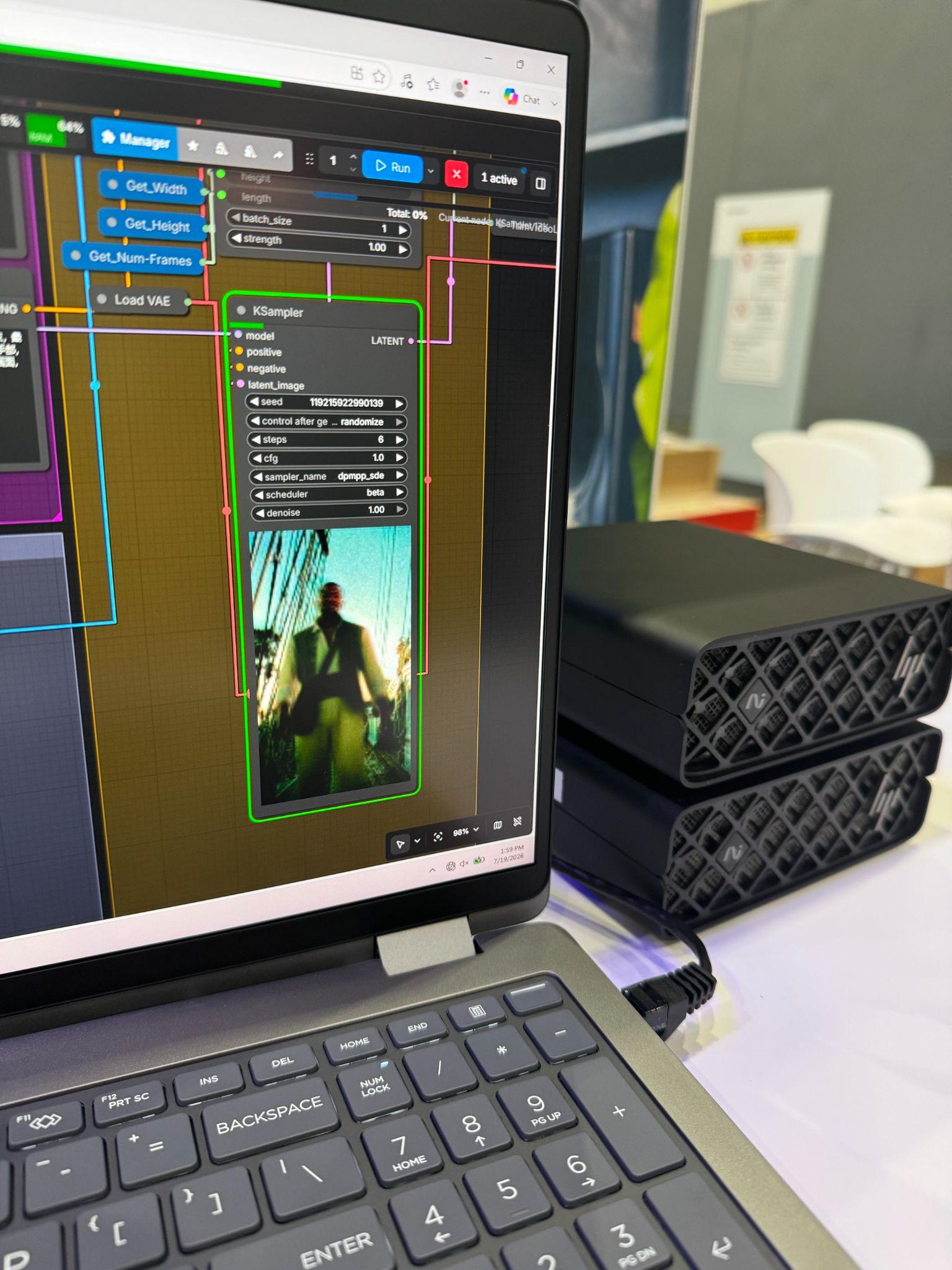
IO co-founder Jerad Anderson added, “People like Nhan and his counterpart Aiden Silver are really amazing creative engineers. They have paved a way with this new workflow that marries AI into production in a way that firmly plants a flag in craft and the human element, while embracing the time-saving elements of generative AI. The company has been doing R&D for two years straight to devise an approach that generates assets from original capture so that once we’ve solved a production problem, the solution is repeatable and we can solve it faster the next time.”
VFX with human artistry and an AI backend
Visual effects require highly specialized skills, and professional production demands precise, directable results. AI has given the artists at IO the ability to scale up their capacity by automating systems on the back end. The team continues to rely heavily on 2D compositing tools to retain artistic control, and uses Foundry Nuke, Adobe After Effects, SideFX Houdini and more for traditional CG work on every project. AI bolsters these workflows alongside internal tools to scale up traditional workflows. Some of the generative AI tools built include modules that react to the lighting in a shot that changes over time, so that instead of having to manually match each frame of an effect, the lighting is accurately matched automatically because it’s generating off of the footage itself.
“Because we’re able to integrate this AI backend, we get to focus on the work that’s important, which is the creative work, and all the scalability is handled by the infrastructure that we have set up. And that’s been really awesome,” said Le. “So, every time we start a job now, we actually think of scalability instead of just whatever it takes to get the job done. How can we empower the artist to unlock backend shortcuts so they can focus on making the final work look amazing?”


The company has also transformed virtual production volume shoots with its hybrid AI approach. Previously, artists would manually pull tracking data from a live action shoot in an LED volume to apply back into the 3D environment, which would take days or weeks to do, and may not always line up accurately. With generative AI, tracking data is inferred and calculated directly off of the footage, so it’s able to read what the 3D environment looks like on an LED wall to incorporate perfectly accurate set extensions. “It’s so much more freeing for productions to know that there is a tool that can accept their footage as is in post regardless of what was captured or calculated on set. We’ve been doing a lot of LED cleanup work in AI that’s really reliable. I come from LED wall work and the idea that I don’t need to track it and combine tracking data that’s recorded, I think it’s a blessing,” said Le.
The future of rendering at IO
When IO first deployed the HP ZGX Nanos, they focused on rendering, however being able to manage multi-agent LLMs is a big part of how they’re looking to expand capacity. “We are in the process of setting up our own render farm in-house. We plan to use the unified clustering of the HP ZGX Nanos for more complex multi-agent operations to manage the render farm and attach our own server NAS to that too. Smart render farms, managed with multi-agent AI, will give our boutique studio the capacity to scale up and do studio level work at the highest quality,” concluded Le.
Contact HP today to learn how your studio or facility can punch above its weight with HP ZGX Nano!
For more information about IO visit www.impossible-objects.co
For more information about HP ZGX Nano visit https://www.hp.com/us-en/workstations/zgx-nano-ai-station.html