
In this fxpodcast, we speak with Crafty Apes CEO Alana Newell about moving from hands-on compositing into studio leadership, and the very different measures of success that come with the job.
As an artist, Newell found satisfaction in completing a shot and seeing the finished work on screen. Running a company of around 400 people across eight offices offers fewer immediate victories.
“Every win, in my opinion, is my team’s win,” she explains. “It’s a collective success.” Conversely, mistakes carry a personal weight “when you are responsible for the output of the entire company”.
Newell’s production background remains central to how she leads. It informs the way Crafty Apes bids projects, evaluates risk and communicates with artists. It also supports the studio’s reputation for being both nimble and resourceful, able to move between ambitious, high-profile productions and smaller projects that require a more tailored approach.
That diversity is also a business strategy. Rather than depending upon a handful of tentpole productions, Crafty Apes spreads its exposure across a broad slate of work. Newell argues that a studio attached to 50 projects can absorb schedule changes far more safely than one relying on five major clients.
Technology is another part of that strategy, although Newell looks beyond the current focus on generative AI. VFX companies possess years of production information covering schedules, shot complexity and actual delivery times. Machine learning could help studios use that data to improve bidding, crew planning and project selection.
“The visual effects pipeline is not a ‘bug’ to machine learning, -it’s a feature,” she says.
Crafty Apes is also encouraging artists to develop broader capabilities. Newell believes the industry’s emerging tools favour curious, adaptable people rather than candidates claiming years of experience in disciplines that have only recently appeared. Internal development remains important, but she sees outside talent and ideas as essential sources of creative stimulus.
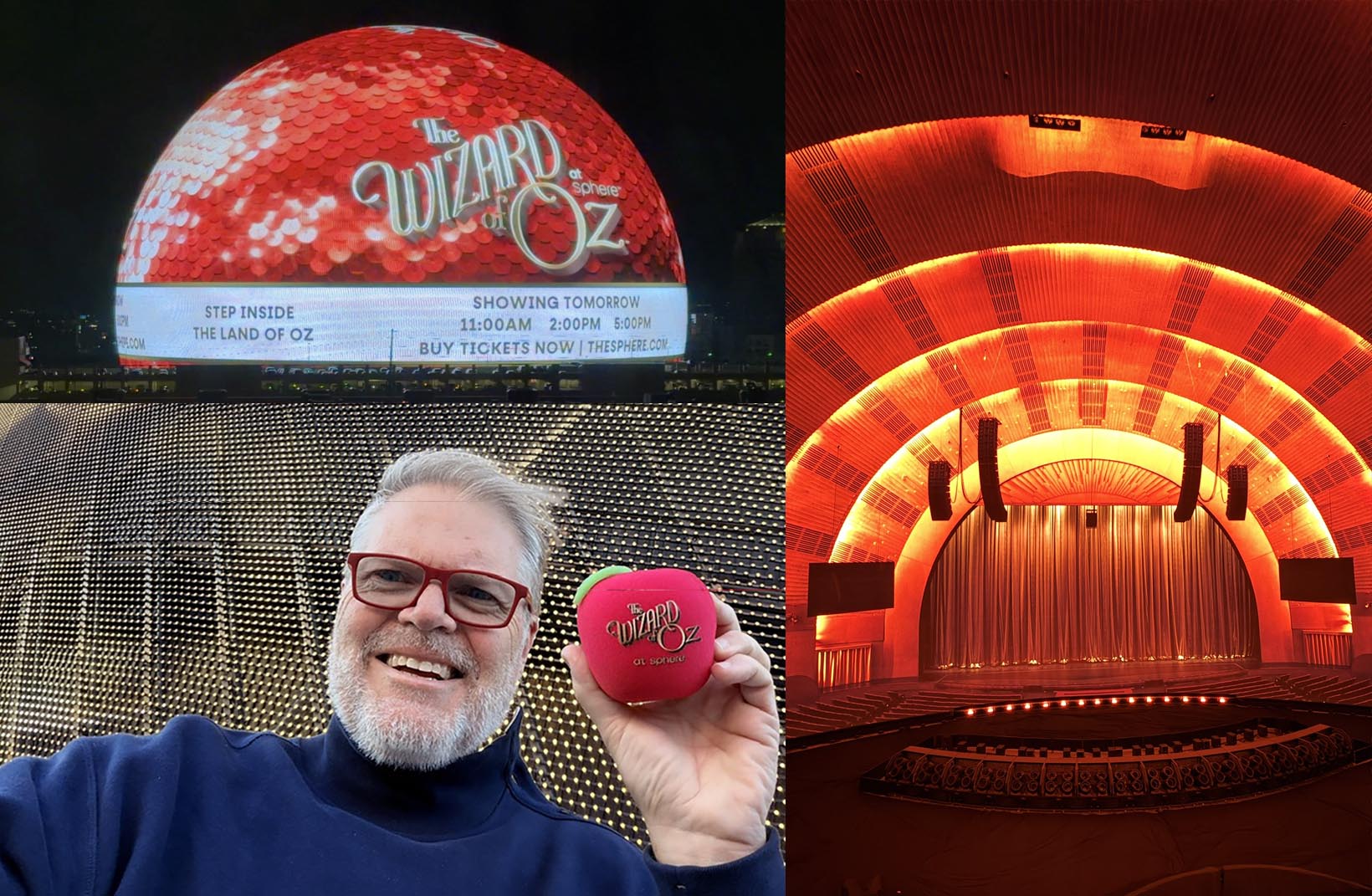
The company’s work on The Wizard of Oz at Sphere demonstrated how traditional visual effects knowledge can be applied to entirely new formats. Newell sees further opportunities in immersive entertainment, interactive installations, museums and theme-park attractions, including a current project with Universal.
For her, this represents more than an adjacent market. It suggests a wider definition of what Crafty Apes can become. “I think of Crafty as a content creation company, not just visual effects,” Newell says. “If you need a visual created, we’re there to create it for you.”
Check out the complete fxpodcast, which explores the economics of modern VFX, global incentives, building a unified culture across international offices, developing female leadership and why the future of the industry may extend far beyond film and episodic television.