
In the latest fxpodcast, we speak with Kevin Lingenfelser, VFX Supervisor on Netflix’s Man on Fire, about the large-scale visual effects work behind the series, including the epic building collapse, the rubble aftermath, and the high-energy Learjet fight and landing sequence.
Kevin joined the project in May 2024. The series was originally planned as eight episodes across four production blocks, later consolidated into seven episodes in post. As Kevin explains in the podcast, the first block carried a major visual effects load, establishing the scale and danger of the show from the outset.
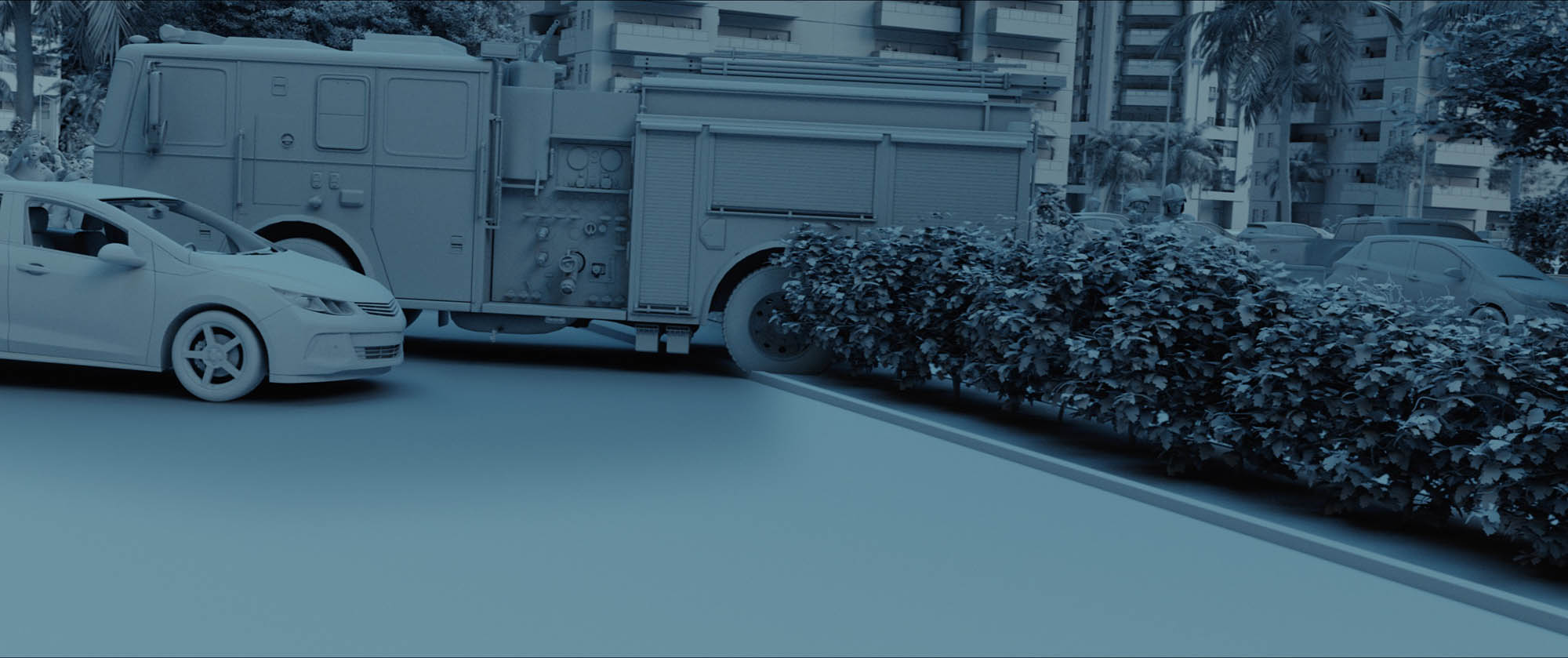
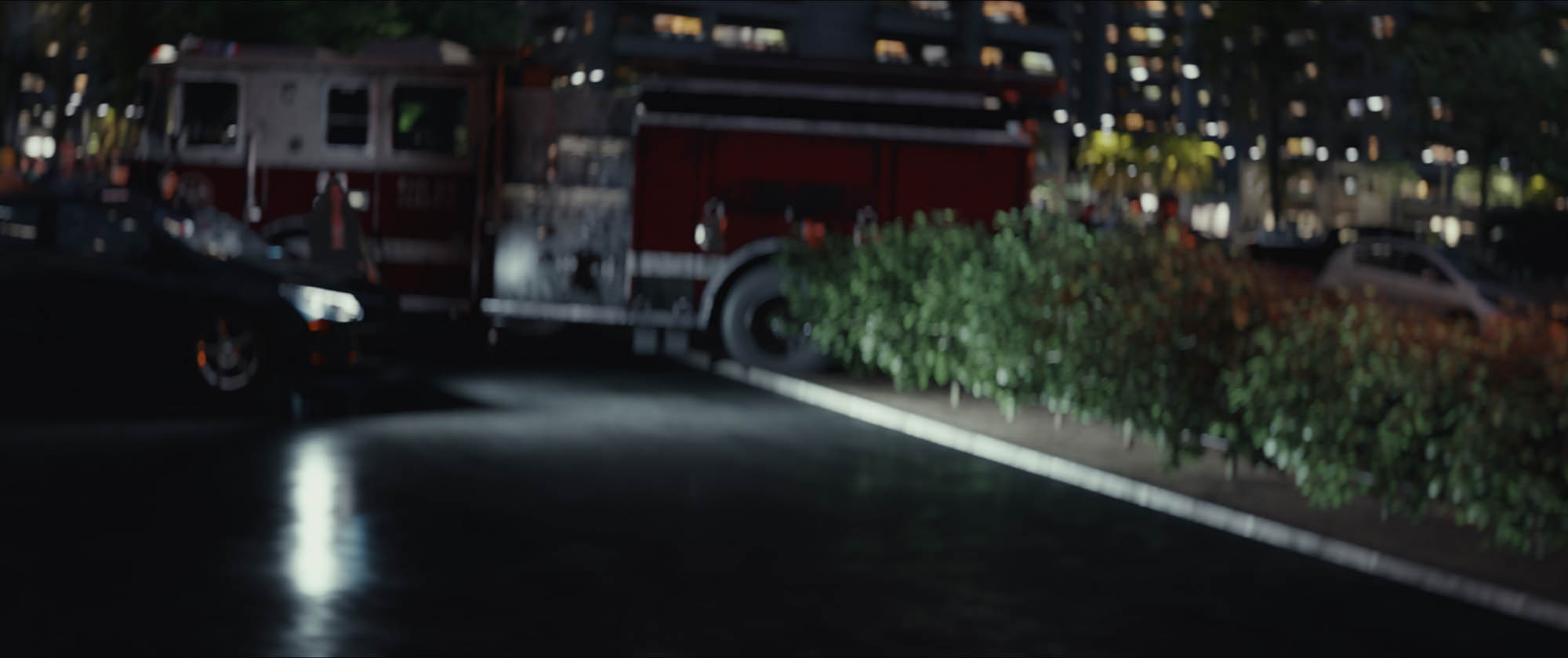
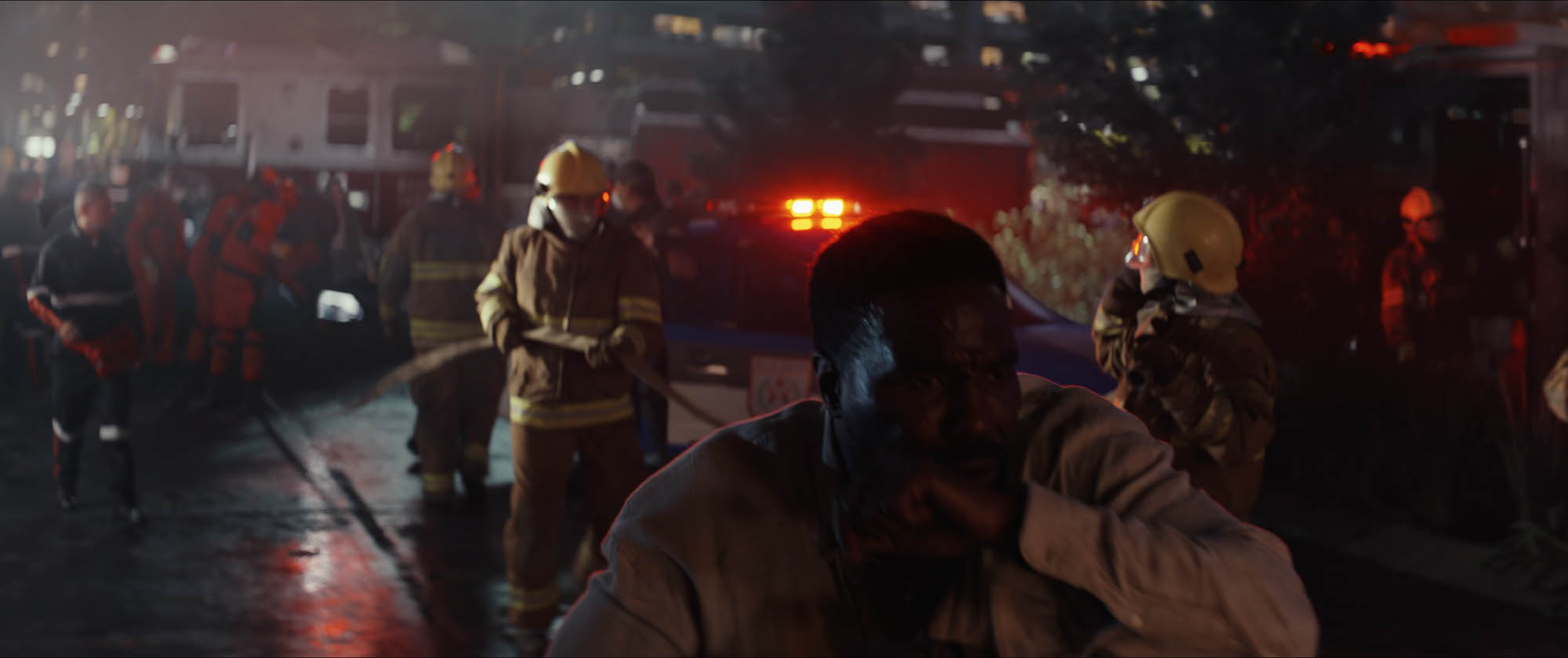
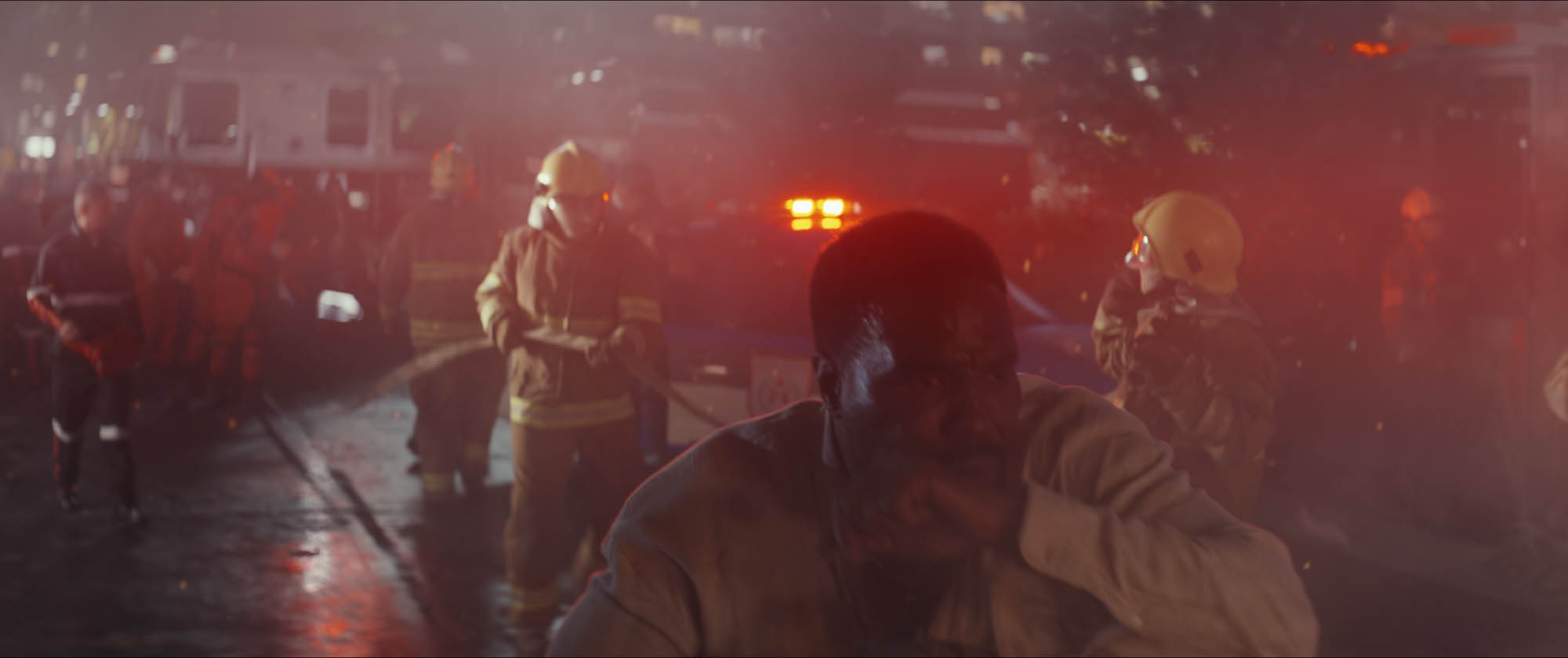
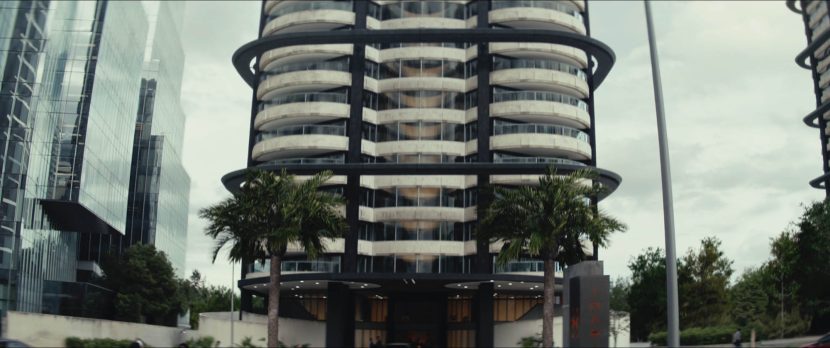
One of the standout sequences is the apartment tower collapse in the opening episode. Although the story is set in Rio de Janeiro, much of the production was filmed in Mexico, with Mexico City and surrounding locations doubling for Brazil. RISE built two matching CG towers based on a 40-storey condominium complex in Mexico. The key was making the buildings completely believable before their destruction, so the collapse would arrive as a genuine shock rather than a visual effects setup.
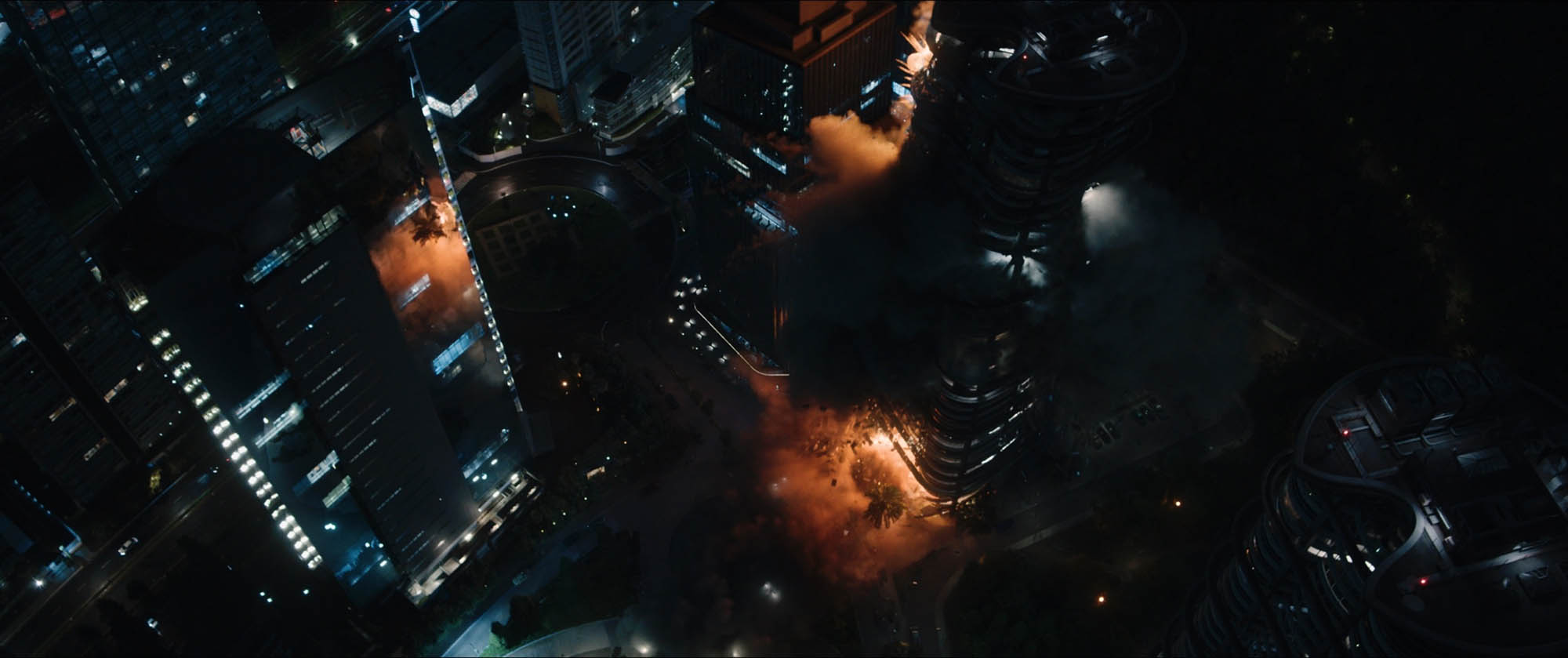
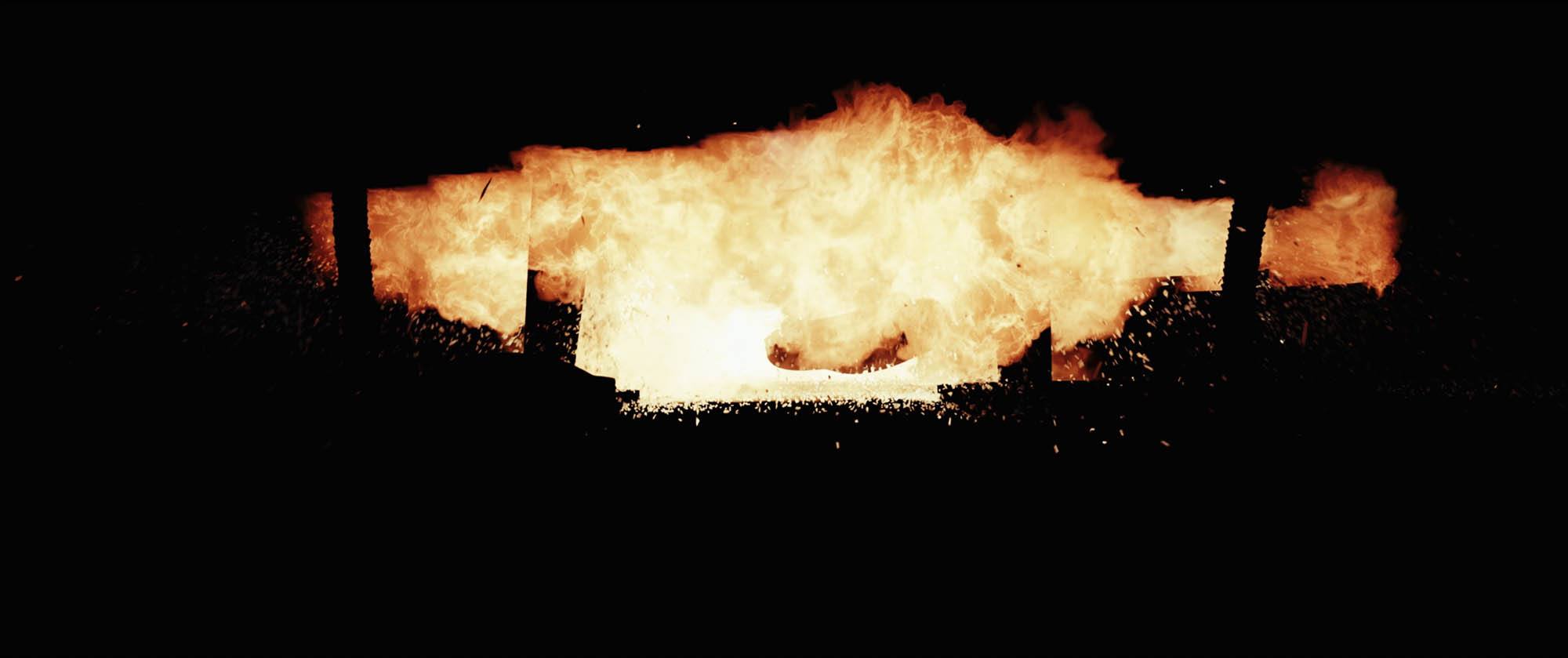
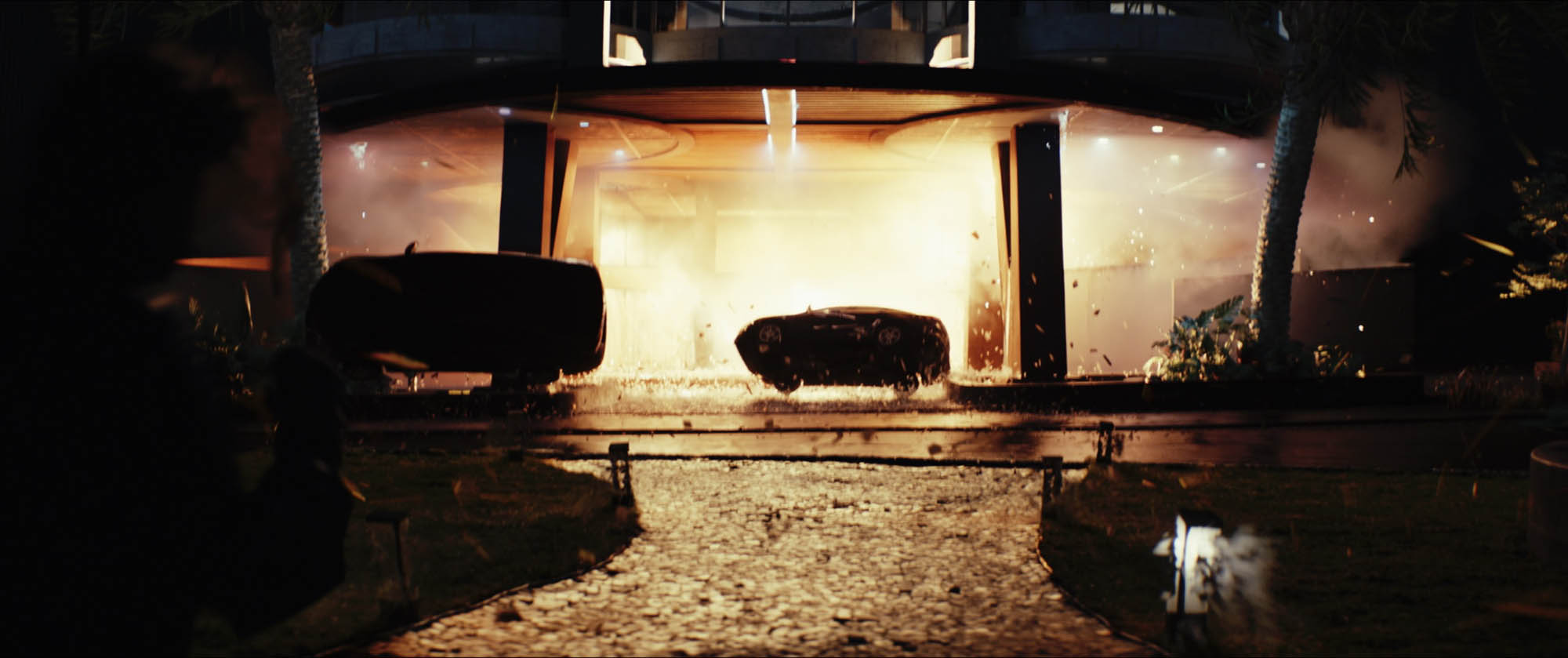
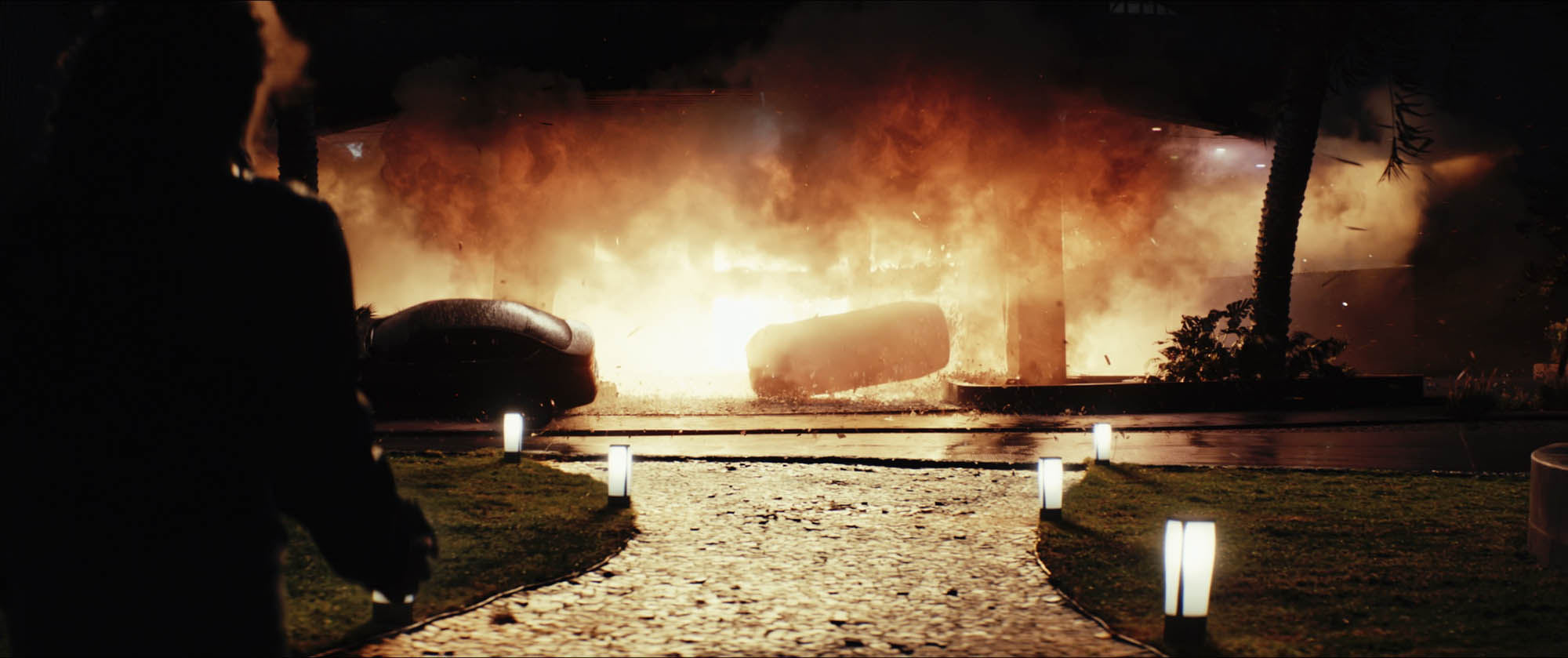
The destruction was designed to feel messy, violent and uncontrolled, rather than like a clean demolition. RISE developed multiple simulations, including complex dust and debris work. Practical elements were also used wherever possible, including a ratchet pull for Poe (Billie Boullet) and practical car flips that were later augmented digitally.
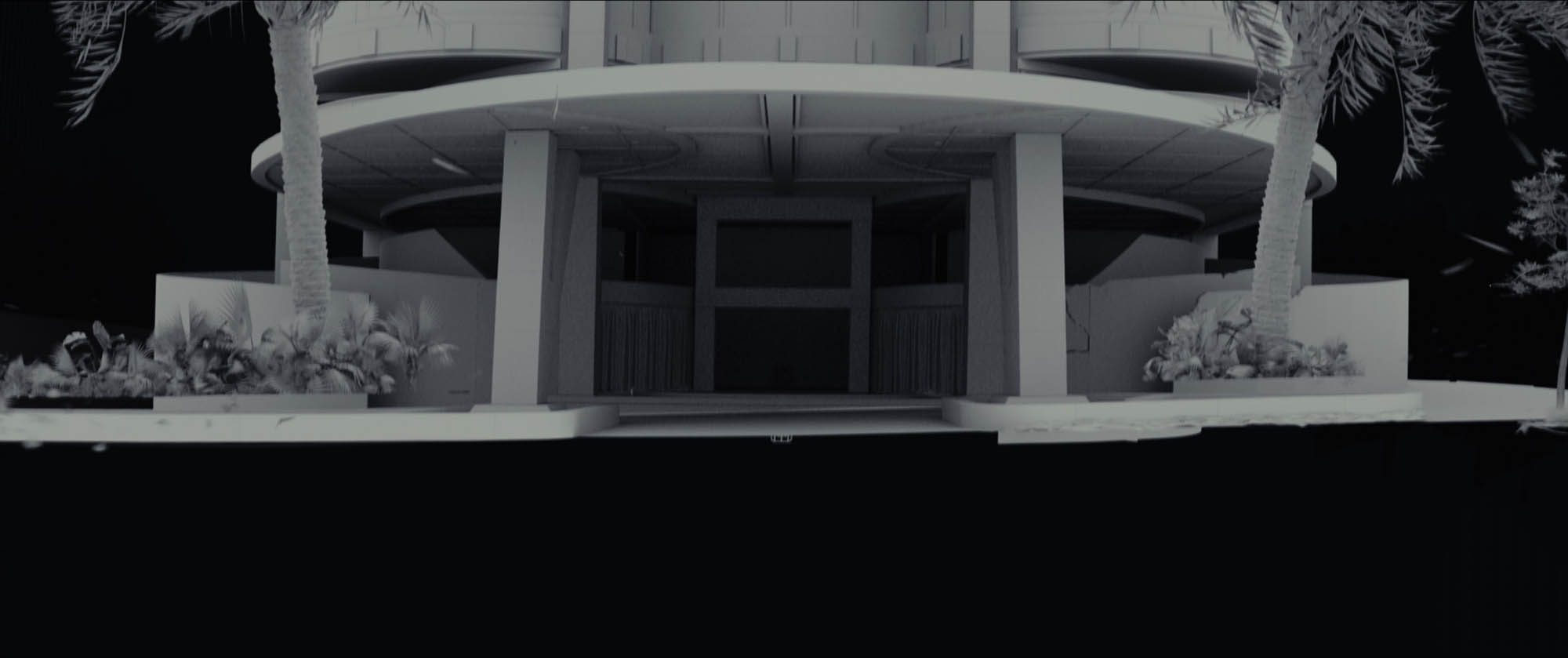
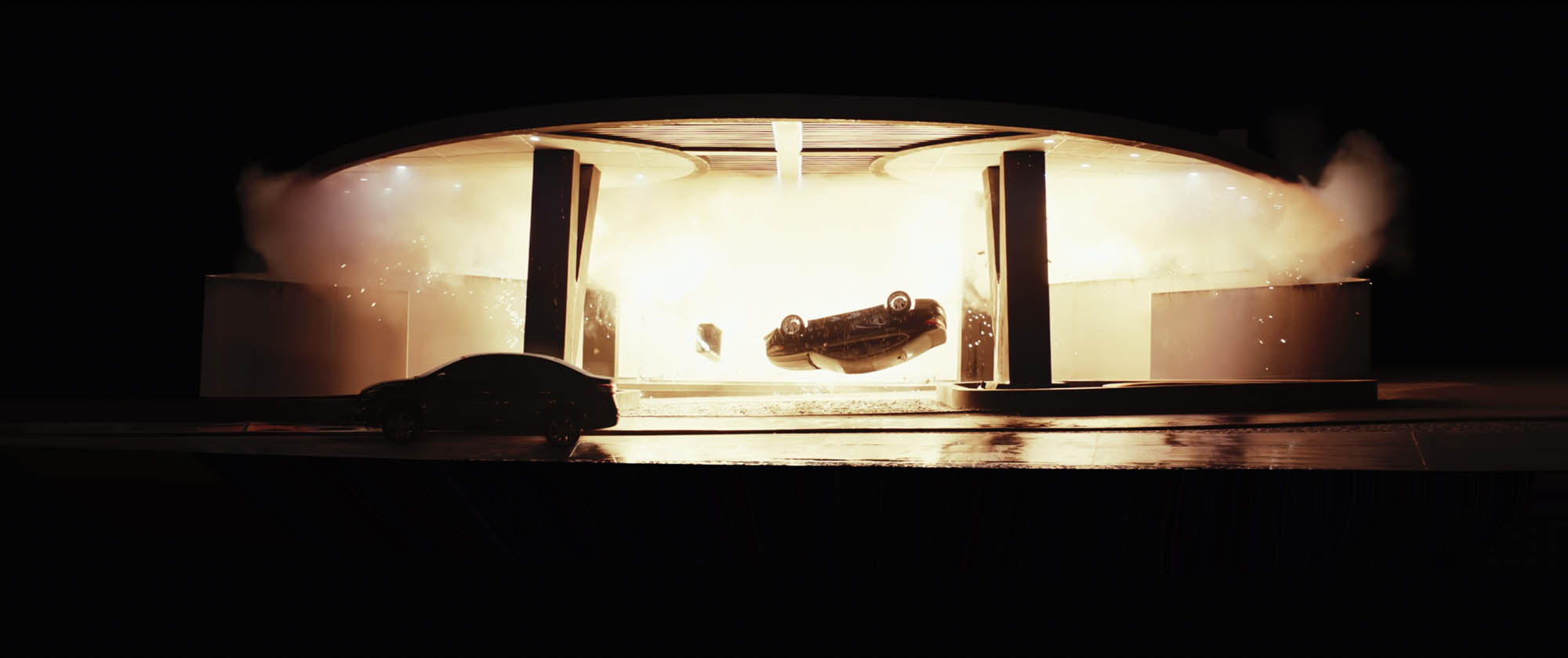
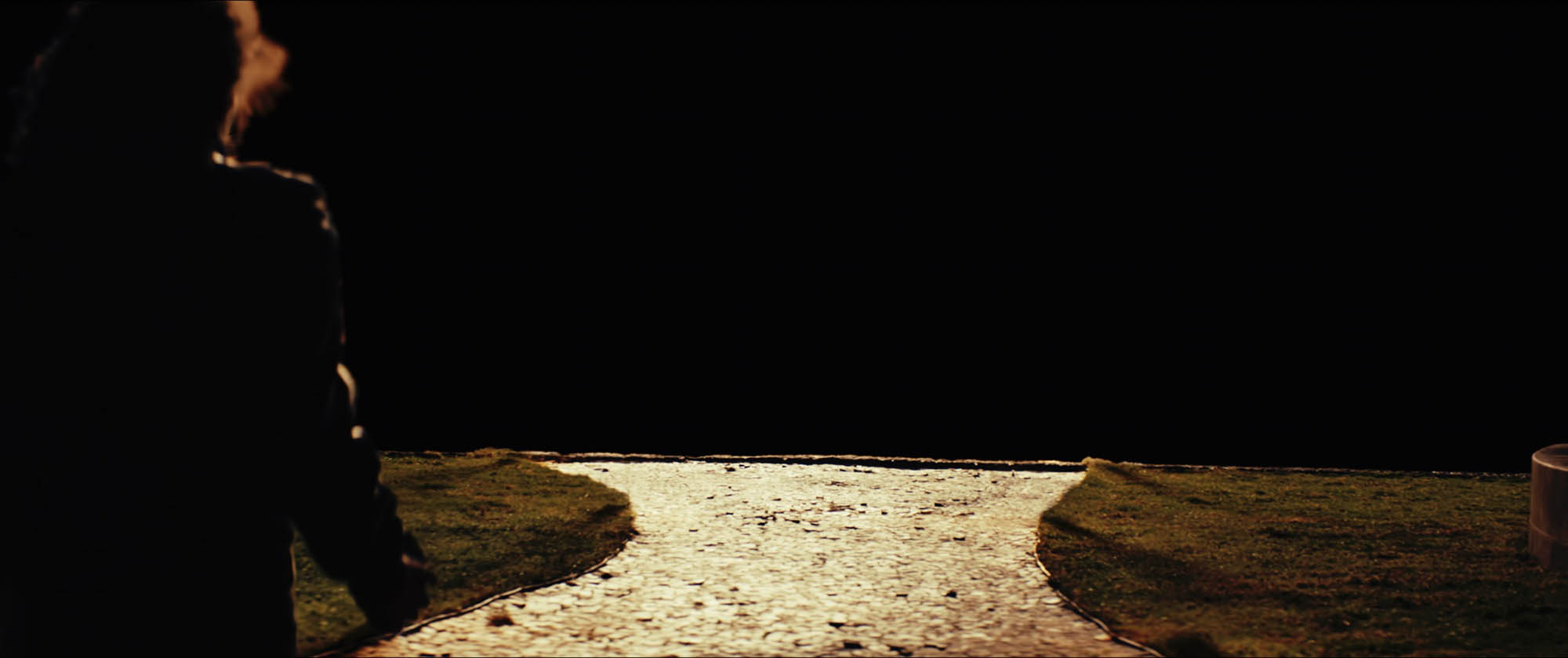
The Learjet ‘escape’ sequence was another major challenge. The production rented a real Learjet for scanning at the airport and also built a partial aircraft buck that could be towed for action photography. A stunt performer was filmed jumping from a Jeep onto the buck, while the interior fight work moved to a green screen stage later. Interestingly the interior aircraft set was built 15 percent larger than the real jet to allow for camera movement and fight choreography.
RISE handled the digital aircraft work, including the CG door and stairs, the engine explosion, and the complex smoke trail from the damaged engine. For the final road landing, a wooden buck was used on location as a physical placeholder before being replaced with the bullet-damaged digital Learjet. This gave the filmmakers real-world framing and lighting reference while still allowing the final aircraft to be fully controlled in post.
A great deal of the show’s visual effects are deliberately invisible. With Mexican locations transformed into Brazil, including signage changes from Spanish to Portuguese. The result is a show with a strong feature-style action sensibility, combining practical stunt work, large-scale CG destruction, aircraft simulation, environmental transformation and subtle continuity effects.
Kevin is clearly proud of the work, especially the early episodes where Man on Fire announces its scale with confidence. The building collapse delivers spectacle, the rubble environment gives it consequence, and the Learjet sequence shows how practical action and digital effects can be tightly integrated to create something that feels fast, dangerous and physical.