
This episode of the fxpodcast is a two-part deep dive into the digital creature work for The Borough. Our first guest is overall VFX Supervisor Tara DeMarco, who reveals how the “kids” — as showrunners Will Matthews and Jeffrey Addis called them — were designed to be both genuinely terrifying and ultimately heartbreaking. Our second guest on the fxpodcast is ILM VFX Supervisor Steve Ellis, who dives into details on the creature work for the show’s central characters.
Netflix’s The Boroughs starts with a deceptively simple horror premise: something is entering the bedrooms of a retirement community at night and feeding on the residents. But across the eight-episode series, the creature work has to do something much more complicated than just scare us. It has to take an audience from revulsion to empathy. Achieving that arc is the central success of the show’s visual effects.
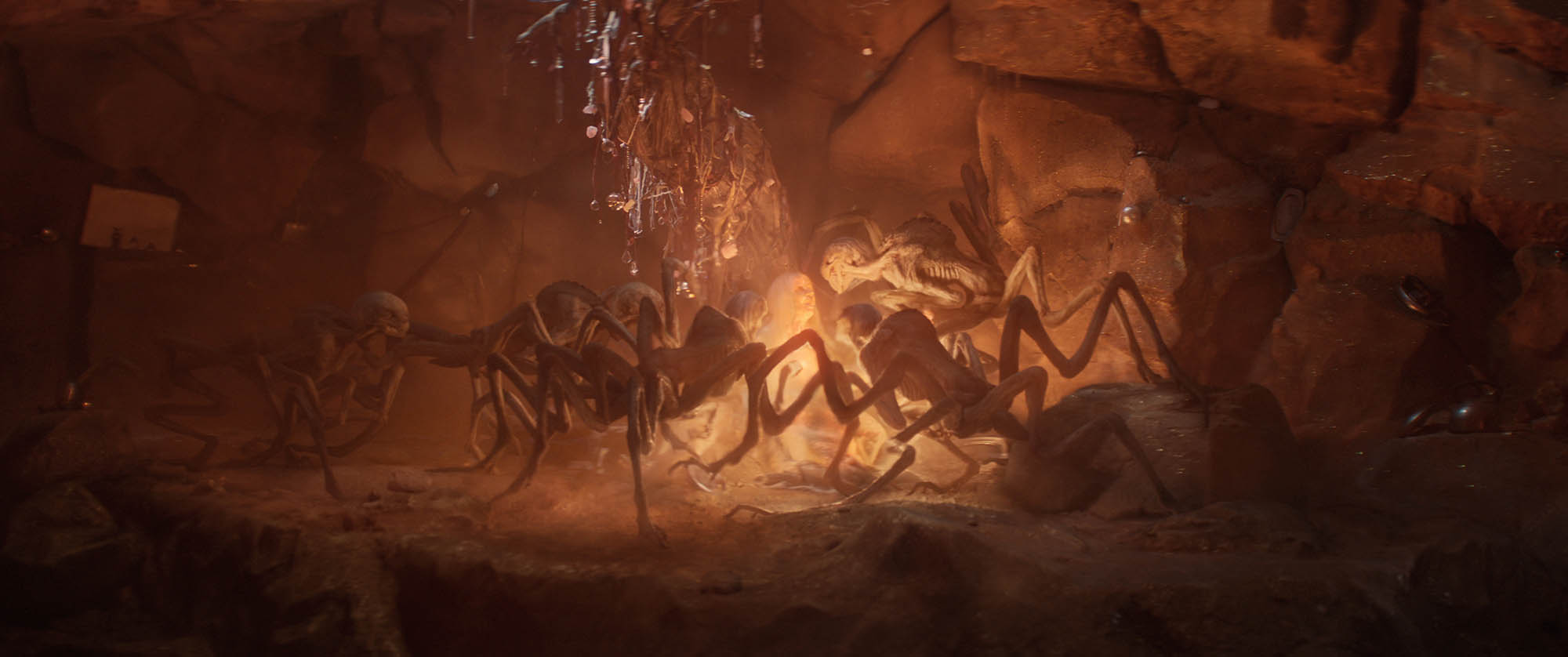
The creatures, referred to by the filmmakers as “the kids,” are not simply monsters. They are the offspring of Mother, ancient beings enslaved by the Borough’s owners and forced into a parasitic cycle that keeps the wealthy owners young while the residents of The Boroughs are quietly drained of time.
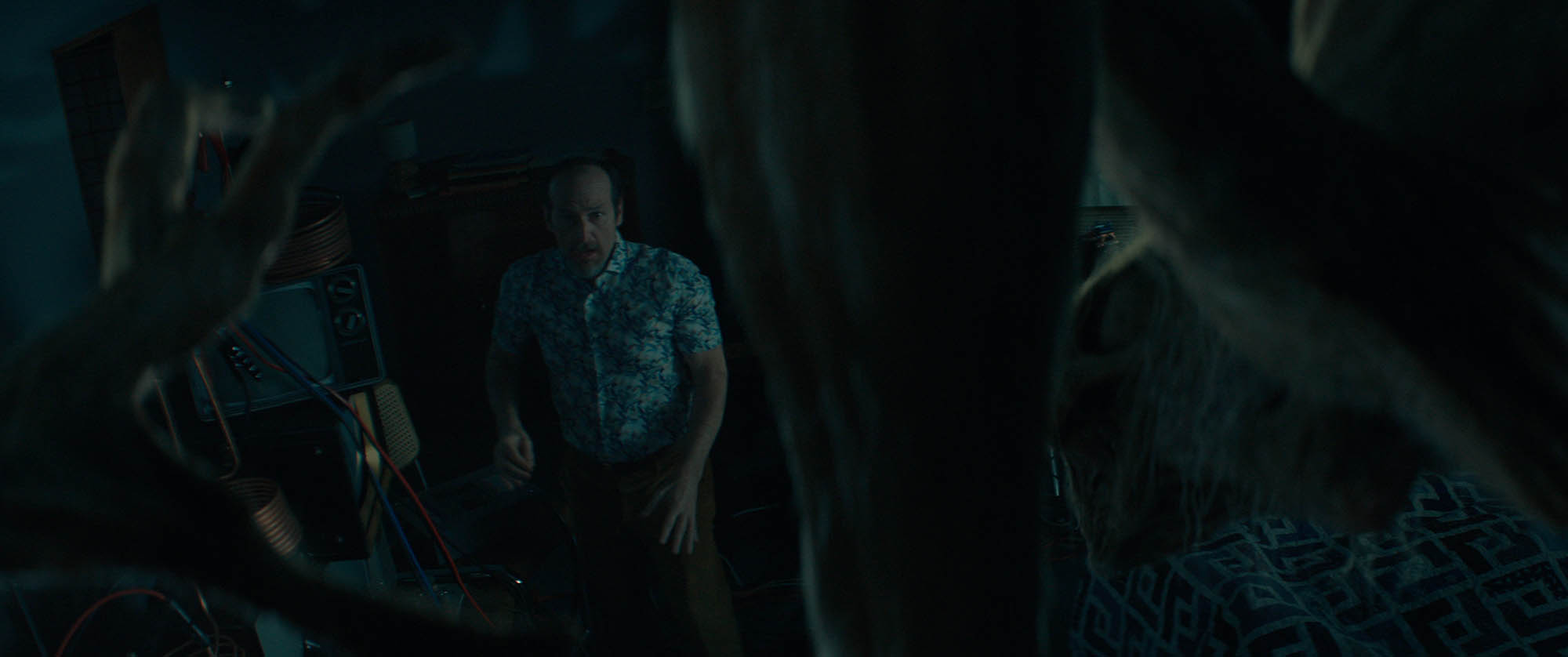
The Boroughs is a useful reminder that practical effects and digital effects are not opposing religions. The right answer is the one that serves the shot. A puppet can give actors presence, lighting and texture. A digital creature can give muscle, weight, tendon tension, skin simulation, eye performance and impossible locomotion. Here, the two approaches are not in competition; they are part of a single creature-performance pipeline.
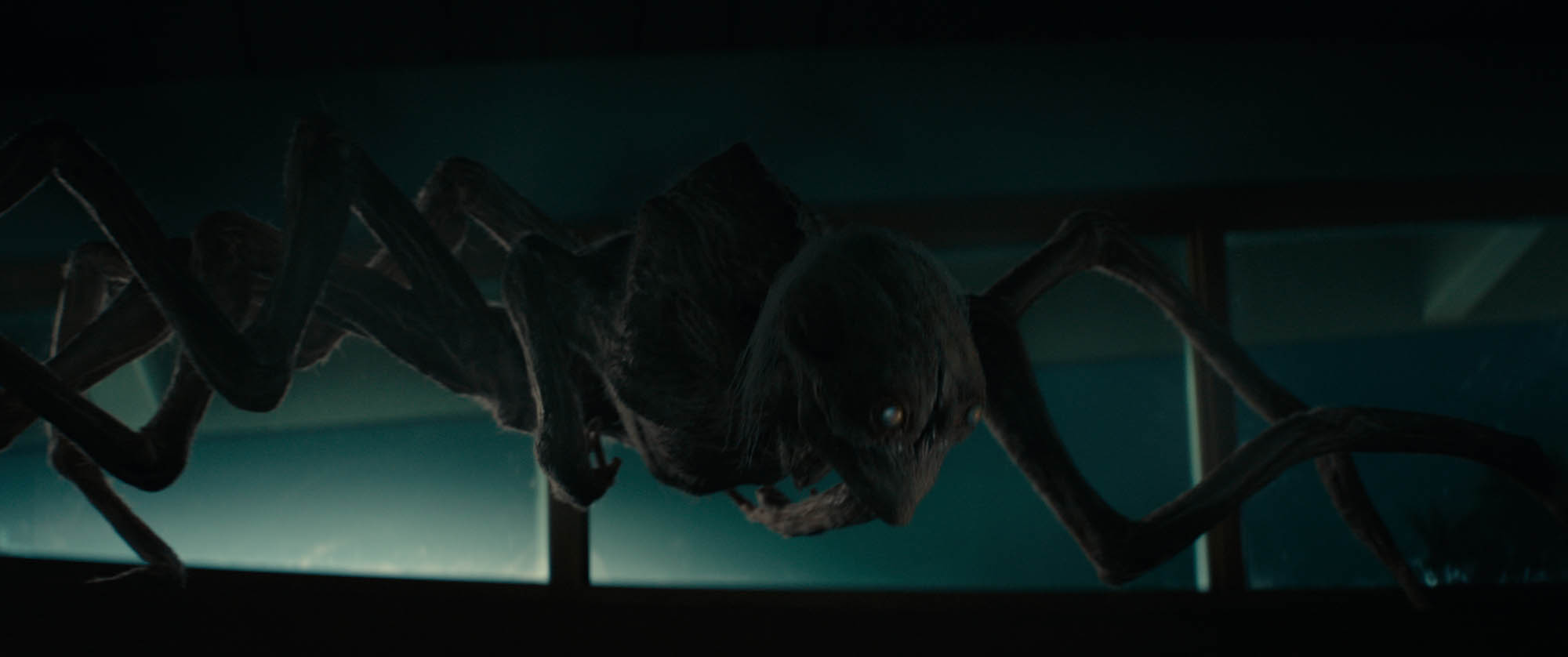
What makes the creature work in The Boroughs so effective is that it is not just designed to reveal a monster. It is designed to change the audience’s mind. We first see the ‘kids’ as things in the dark. By the end, we understand them as old, abused, exhausted beings trying to return to Mother. That shift only works because the visual effects team gives them more than anatomy.
They give them performance.