
In this fxpodcast, we talk to Jordan Thistlewood, Chief Digital Officer at Cooke Optics, about the evolution of Cooke’s /i Technology and why lens metadata has become one of the most practical, and often underused, tools in modern production and VFX.
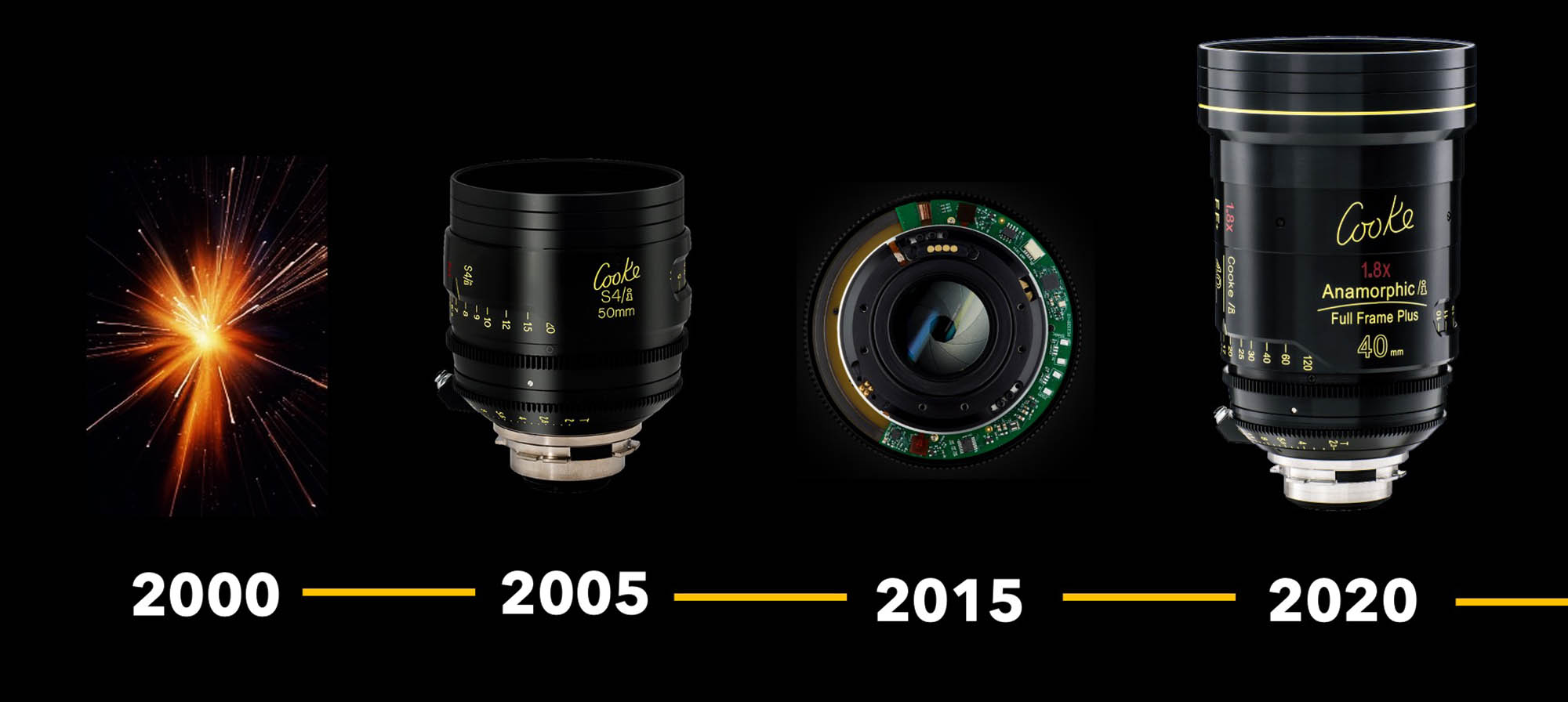
Cooke’s /i Technology has been around for more than two decades, and fxguide has followed its development closely over the years. At its core, /i records frame-accurate lens data: focus distance, iris, zoom position, T-stop, focal length, depth of field, hyperfocal distance, entrance pupil information, shading data and other lens characteristics. For VFX, this is enormously valuable because it gives post-production teams a much clearer understanding of what actually happened on set.
The original ambition was simple but powerful: make the lens communicate directly with the rest of the filmmaking pipeline. Cinematographers spend a huge amount of time choosing lenses, shaping focus, controlling exposure and crafting an image. But historically, once that material moved into post, a great deal of that nuanced optical information was either approximated, reverse-engineered, or simply lost.
That is the gap Cooke has been trying to close…
One of the biggest changes is that lens metadata is no longer typically treated as a separate sidecar file that needs to be manually aligned with the image. In the early days, that was one of the major practical problems. The data might exist, but it had to travel separately from the picture. If it was not carefully managed, it could drift, be misplaced, or fail to reach the VFX team at all.
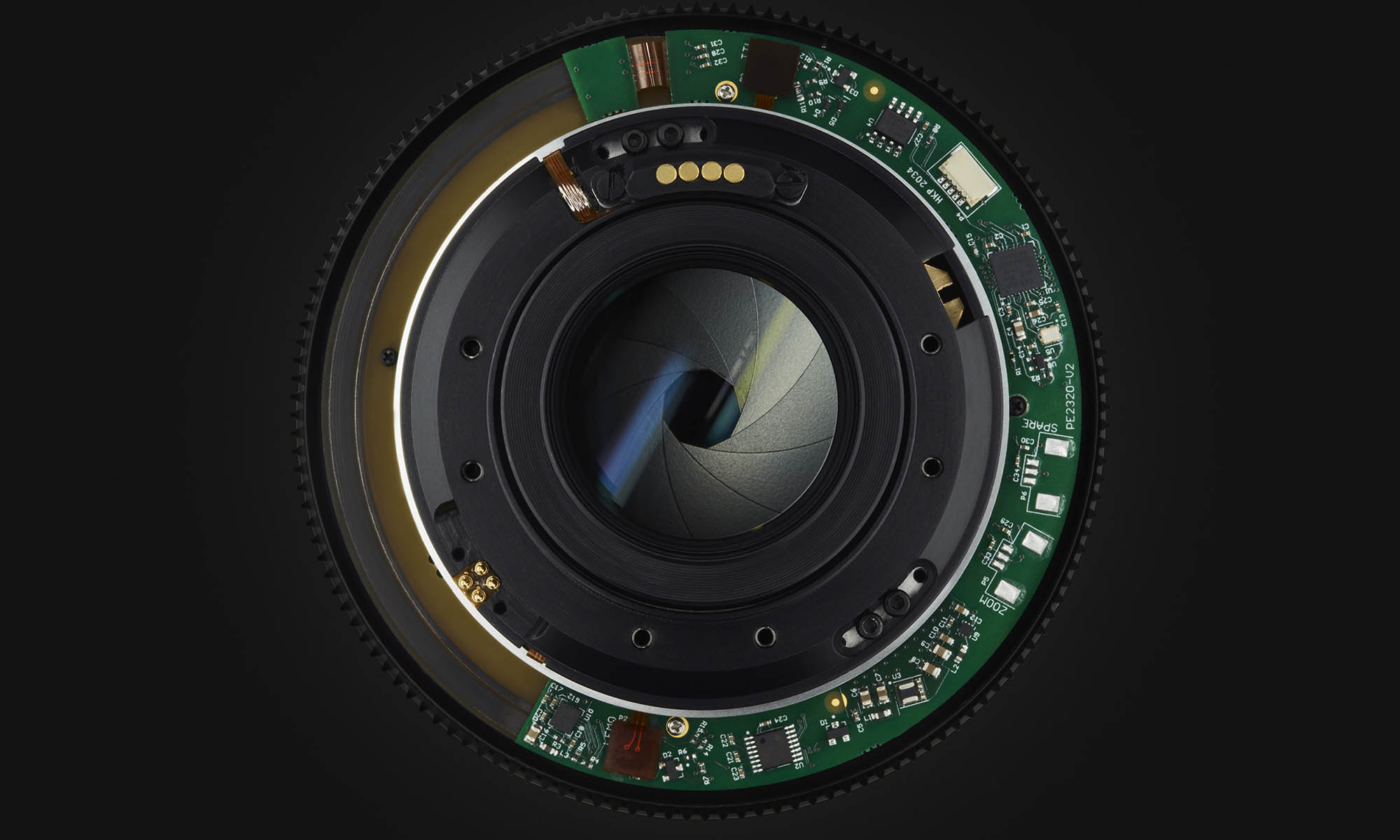
Today, major camera systems from manufacturers such as ARRI, RED, Sony, Blackmagic and others can record /i data directly into the camera files via the lens mount. That is a profound shift. Once the data is embedded in the original camera raw file, it becomes frame-accurate, trusted and much more likely to survive the journey into post-production.
But the second challenge has always been metadata being lost in transcoding. A production may capture the data correctly, but somewhere in transcoding, editorial turnover, VFX pulls or EXR generation, the metadata is stripped out. But this, Jordan explains, this is improving significantly. Modern pipelines, commercial VFX pull systems, and facilities such as Company 3 are now increasingly aware of the need to preserve metadata as a deliverable. Tools are also getting better. Even when the metadata is not yet elegantly exposed in the user interface, the data can often survive the transcode if the workflow is configured correctly.
The point is not that every tool has to use the metadata immediately. The first principle for any production is really simple: Just do not throw it away!
For VFX supervisors and post-production supervisors, the message is clear: ask for (demand) the metadata. Make it part of the turnover requirements. Make sure it is included in QC. The cost of preserving it is minimal, but the downstream value can be enormous.
Jordan describes metadata as a “love letter” from cinematography to VFX. It is a nice phrase because this really reframes the whole discussion. This is not really about a technical fetish for extra data. It is about respecting the craft of the camera department and carrying that work forward into the final image.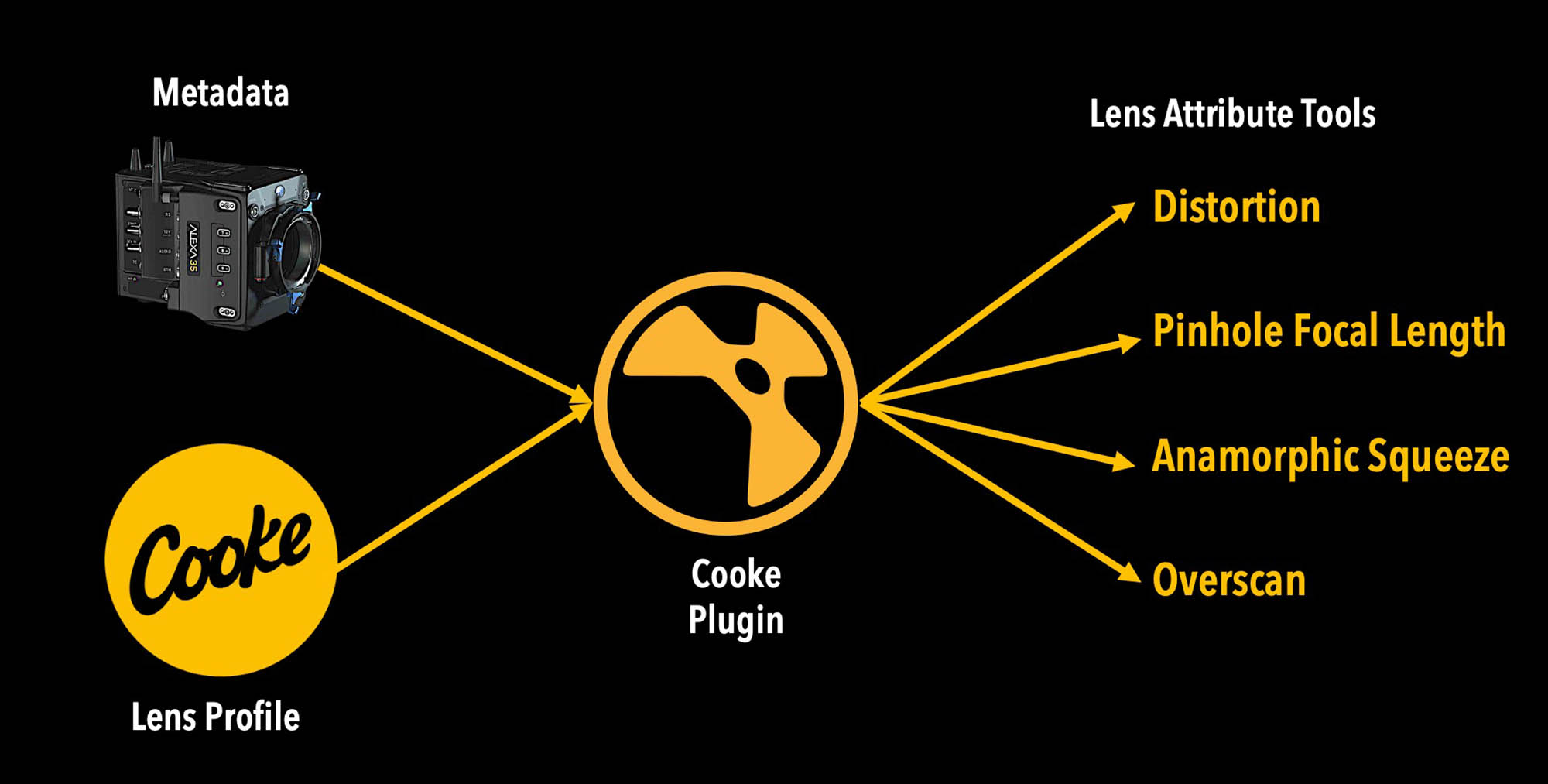
Focus is a particularly good example. On set, focus is not merely a technical value; it is choreography. The DP, camera operator and focus puller are making creative and precise decisions about where the audience’s eye should be, how attention moves through the frame, and how the lens behaves through that movement. Without metadata, VFX artists are often forced to reconstruct this by eye. They may rely on script notes, witness cameras, plate analysis or manual estimation. That can work, but it is slow, approximate and often really frustrating.
With accurate focus metadata, the VFX team can spend less time reverse-engineering what happened and more time matching the aesthetic intent of the photography. Jordan discusses how productions such as Project Hail Mary have used focus distance data to help drive defocus in compositing, allowing the visual effects work to inherit the optical behaviour of the live-action photography rather than approximate it after the fact.
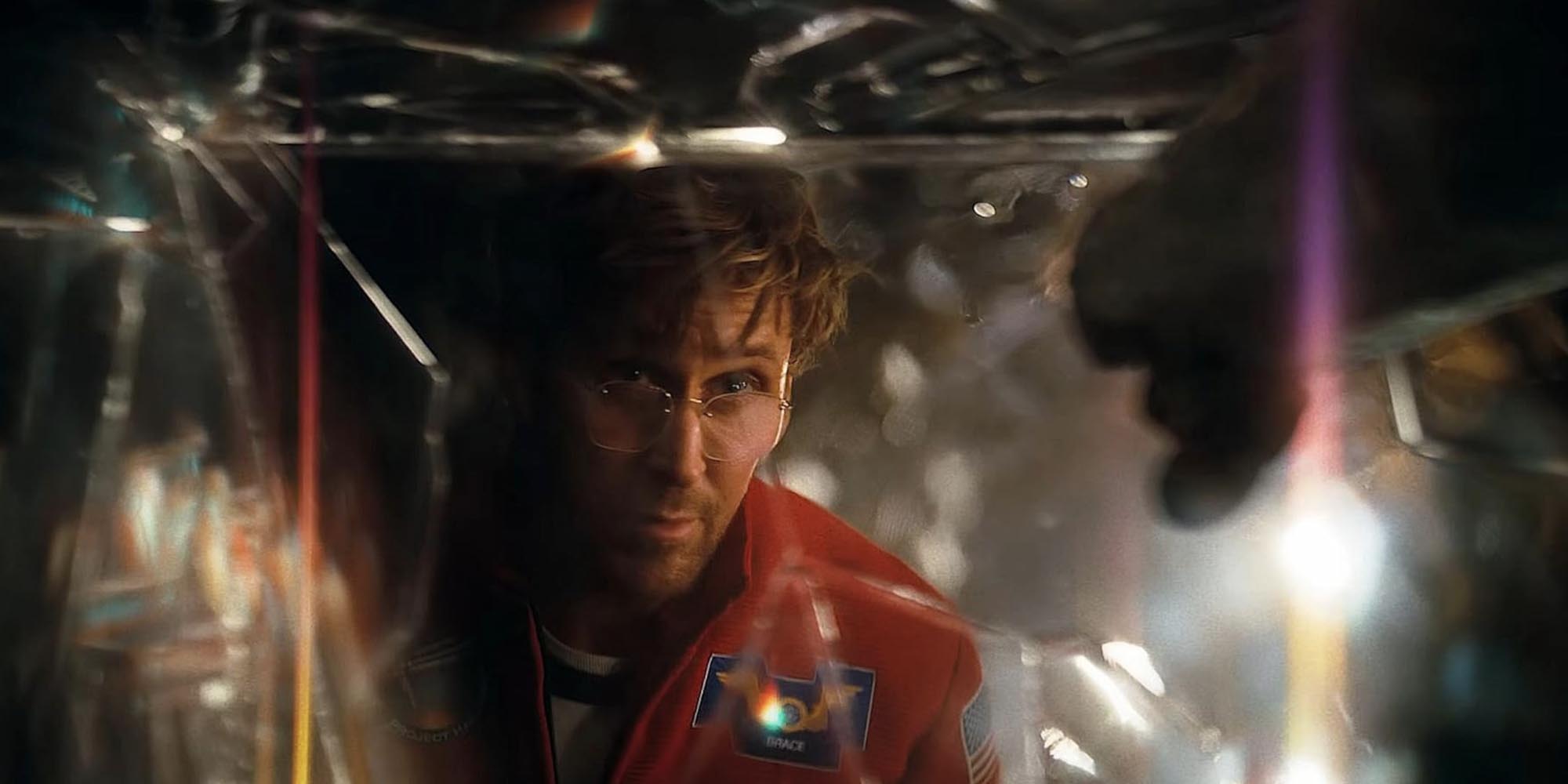
This matters because focus is not binary. Nothing is simply “in focus” or “out of focus.” There is a spatial and perceptual range of acceptable focus, shaped by lens design, format, subject distance, aperture and artistic judgement. Trying to eyeball that later, especially across complex VFX shots, is never going to be as accurate as using frame-specific lens data captured at the moment of photography.
The same is true of distortion. Lens distortion is not a static property. It changes with focus distance, and in the case of zooms it can also change with focal length. Cooke has been investing heavily in lens characterisation so that VFX teams can better understand not just what the lens setting was, but how the lens was optically behaving at that setting. This is especially important because the focal length engraved on the side of a lens is often effectively a value at infinity focus. In real shooting conditions, lenses are frequently focused much closer than infinity, and their optical behaviour shifts accordingly.
Jordan makes the point that lenses are living, breathing objects. Not just because of lens breathing, but because the behaviour of the lens changes dynamically as it is used. The combination of focus, iris, focal length, distortion, shading and entrance pupil behaviour is not a single fixed value. It is a curve, and that curve matters if the goal is to match CG, plates and compositing work to the original photography.
Zoom lenses remain even more complex than primes. Cooke can generate useful metadata and distortion characterisation for its zooms, but Jordan is cautious about making the same sub-pixel claims that can be made with physically measured prime lenses. Even so, the available data is vastly better than guesswork. For a locked-off zoom or even a dynamic zoom, having measured or characterised metadata gives post-production a much stronger starting point than manual estimation.
Our discussion also covers external systems such as Preston motors and other focus-control devices. These can provide useful encoder data, especially for older or rehoused lenses that do not have /i electronics built into the lens itself. The ideal direction is to push that information back into the camera file, so it remains attached to the image rather than floating somewhere else in the production pipeline. Again, the issue is trust. A value written on a piece of paper, however accurate it may have been on set, is much less likely to be trusted weeks or months later in post. Data embedded with the frame carries a different level of confidence.
The broader argument is that the industry is now very close to a tipping point
Capturing metadata adds very little power demand, very little file size, and very little operational overhead. But the payoff can be substantial. Jordan mentions productions reporting very large post-production savings through the use of metadata, especially where it reduces manual matchmoving, tracking, lens solving and focus reconstruction.
It is hard to argue against something that costs very little to preserve and can save significant time and money downstream.
For cinematographers, the argument is also creative. Metadata helps ensure that the lens choice, focus choreography, exposure decisions and optical qualities of the original photography are carried into the VFX work. For VFX artists, it removes a layer of technical reconstruction and lets them focus on the aesthetics of the final image. For production, it reduces waste. For post, it reduces uncertainty.
That is why Cooke’s work here is important. This is not just a lens company talking to cinematographers. Cooke is actively trying to act as a bridge between production and post, which is why it matters that Jordan and the Cooke team are presenting this work at places such as FMX, where the audience is heavily VFX and post-production focused.
The technology has existed for a long time, but the ecosystem is now catching up. The cameras can record it. The lenses can provide it. The tools are increasingly able to preserve it. The remaining step is cultural and procedural: productions need to ask for it, protect it, and expect it.
In other words, metadata should no longer be considered an optional extra. It should be part of the standard language of modern filmmaking.
Listen to this episode, as Jordan Thistlewood joins us to discuss where /i Technology started, what has changed, why metadata matters to VFX, and how Cooke is working to make lens data a more reliable, more useful and more widely adopted part of the production pipeline.