
In a move that could shape not just the next generation of filmmaking but also the direction of VFX itself, Wētā FX and Amazon Web Services (AWS) have announced an agreement to explore the development of AI tools specifically designed for visual effects artists. But unlike the generic “AI for everything” trend sweeping across tech and social media, this collaboration is anchored in something more deliberate, – an artist-centric vision of AI that works with, rather than replaces, artist creativity.
At a moment when the M&E industries are navigating deep questions about the ethics, training data providence, and long-term consequences of AI, Wētā FX’s position is clear: AI belongs in the service of artists, not the other way around.

A new AI interface: without removing the artist
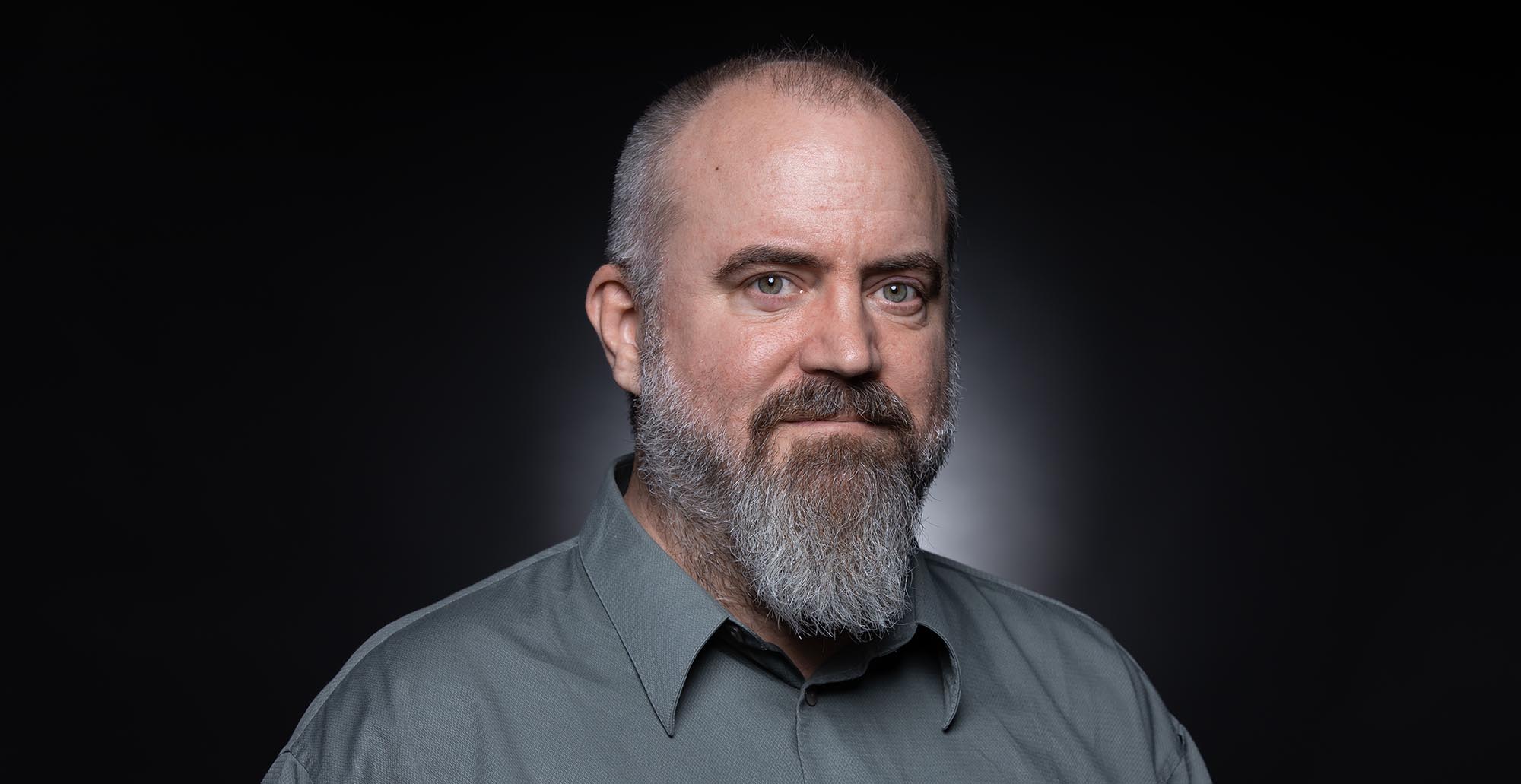
“We’re not talking about chatbots replacing craftsmanship,” explains Kimball Thurston, CTO at Wētā FX. Instead, the studio envisions custom AI agents woven directly into existing creative workflows, with tools that help manage complexity, automate mechanical and repetitive tasks, and give artists more time to focus on expressive decision-making.
For a studio famous for setting the global benchmark for creature performance and world building, from Gollum to Neytiri to the Planet of the Apes, the ambition is clear: AI should give artists more authorship, not less.
The idea is not a prompt-based, text-to-image shortcut. Text prompts seem impressive in enthusiastic social media posts, but rarely provide the accuracy, fidelity, bit depth or control needed for production. Rather, Wētā and AWS want artists to work with AI the way they already work with physics solvers or rigging systems: intuitively, interactively, and with full control.
Thurston points out that today’s VFX artists often spend weeks or months performing highly technical, repetitive steps to maintain realism and continuity. If AI can fluidly translate brush strokes into creature work or generalise motion physics, or accelerate simulation iteration, it could give artists back time, without compromising nuance or intent.
AI is demonised and deeply resented by some artists, and of course, that is their right, but few believe we can turn back the clock or simply stop the tide of AI tools in production pipelines. Denoising and other tools are already heavily entrenched in most VFX facilities, – the question is whether one should actively be involved in finding appropriate ways to use new technology, or boycott in the hope of preserving more traditional techniques.

Purpose-built AI — trained for VFX, not the internet
One of the ethical and long-term risks of AI in content creation is that models have been trained on public data often scraped from the Internet, and thus embed with copyright problems, biases, and all the inaccuracies of the net. Wētā and AWS are pushing heavily in the opposite direction.
Their stated plan is to train AI models only on Wētā’s own legacy datasets and synthetic data, ensuring:
- compliance with copyright,
- clarity around provenance,
- elimination of scraping-based training,
- and fidelity to the real needs of VFX artists.
This is more than good engineering; it signals an ethical stance that the VFX sector, and the wider entertainment industry, has been waiting for. By using only owned or synthetic data to teach AI how creatures move, environments fracture, or facial musculature behaves, Wētā sets a precedent for responsible AI development grounded in craft rather than internet appropriation.
Training models using Wētā’s internal tools, such as rendering thousands of creature-animation variations with ground-truth skeletal data, is a key shift: The team states that their ‘AI doesn’t force artists into a generic workflow; the AI learns their workflow’.
Sustainability, accessibility, and acaling production
As VFX becomes more ambitious (and more budget-challenged), compute and review iteration cycles have become a bottleneck. With AWS’s infrastructure and scalable compute power, Wētā plans to explore how smaller, more efficient AI models that could drastically cut the time required for look-dev, animation blocking, or simulation iteration.
The long-term implication is a more sustainable, scalable production environment, where small and mid-tier productions gain access to capabilities once reserved for only the largest Hollywood studio blockbusters. This direction of scaling downward rather than only upward is a key aspect and financial strain increasingly pushes smaller shops out of the market.
Ethicalstakes: why this agreement matters now
The timing of this collaboration is not incidental. Across film, gaming, and streaming, the ethics of AI, from synthetic actors to automated animation, have become fiercely contested.
Wētā’s announcement has several important aspects:
1. Reasserts artist agency
The team’s intent is that AI should never erode the central role of the artist. It should accelerate creativity, not automate decision-making.
2. Establishes ethical training data practices
By using only proprietary or synthetic data, they avoid:
- copyright violations,
- appropriation of performers’ likeness or labour,
- and unlicensed training on human creativity.
3. Sets a global benchmark
When a studio known for Multiple Oscars and Sci_Tech-Oscar film craft and technological defines a model for responsible AI, it sets a precedent.
4. Reinforces long-term human–machine collaboration
The partnership pushes the conversation away from the popular press narative of job replacement and toward that of augmented creativity, where AI handles some of the complexity, and humans guide expressive and creative intent.

Can AI be an amplifier, not a replacement?
What is likely to emerge from this agreement hopefully is not an AI system to replace animators, modellers, lighters, or simulators. Instead, it is an approach where AI can amplify creativity, protect artistic identity, and expand what’s possible in storytelling.
If Wētā FX and AWS can deliver on their vision and deliver AI that understands VFX, respects ethics, and keeps artists in control, then this collaboration could define not only how VFX are made, but also how the industry navigates its tech future.