
In this fxpodcast, we sit down with production VFX supervisor Scott Stokdyk to unpack the visual effects of Fantastic Four: First Steps, a retro-futurist Marvel epic that leans hard into 1960s world-building while pushing cutting-edge character work.
Scott Stokdyk is the production Visual Effects Supervisor on Marvel’s 2025 The Fantastic Four: First Steps directed by Matt Shakman. He is an Academy Award winner and three-time Oscar nominee for VFX. He has also been nominated for multiple British Academy Awards and Visual Effects Society Awards. Released this past summer and one of this year’s highest-grossing films, The Fantastic Four: First Steps features an all-star ensemble cast including Pedro Pascal, Vanessa Kirby, Ebon Moss-Bachrach, Joseph Quinn, Julia Garner, Natasha Lyonne, and Paul Walter Hauser.
Prior to The Fantastic Four, Scott supervised and collaborated on many films, including with director Sam Raimi on the first three Spider-Man movies, winning the Academy Award for Best Achievement in Visual Effects for Spider-Man 2. Stokdyk also supervised the Visual Effects for Disney’s G-Force and Oz the Great and Powerful.
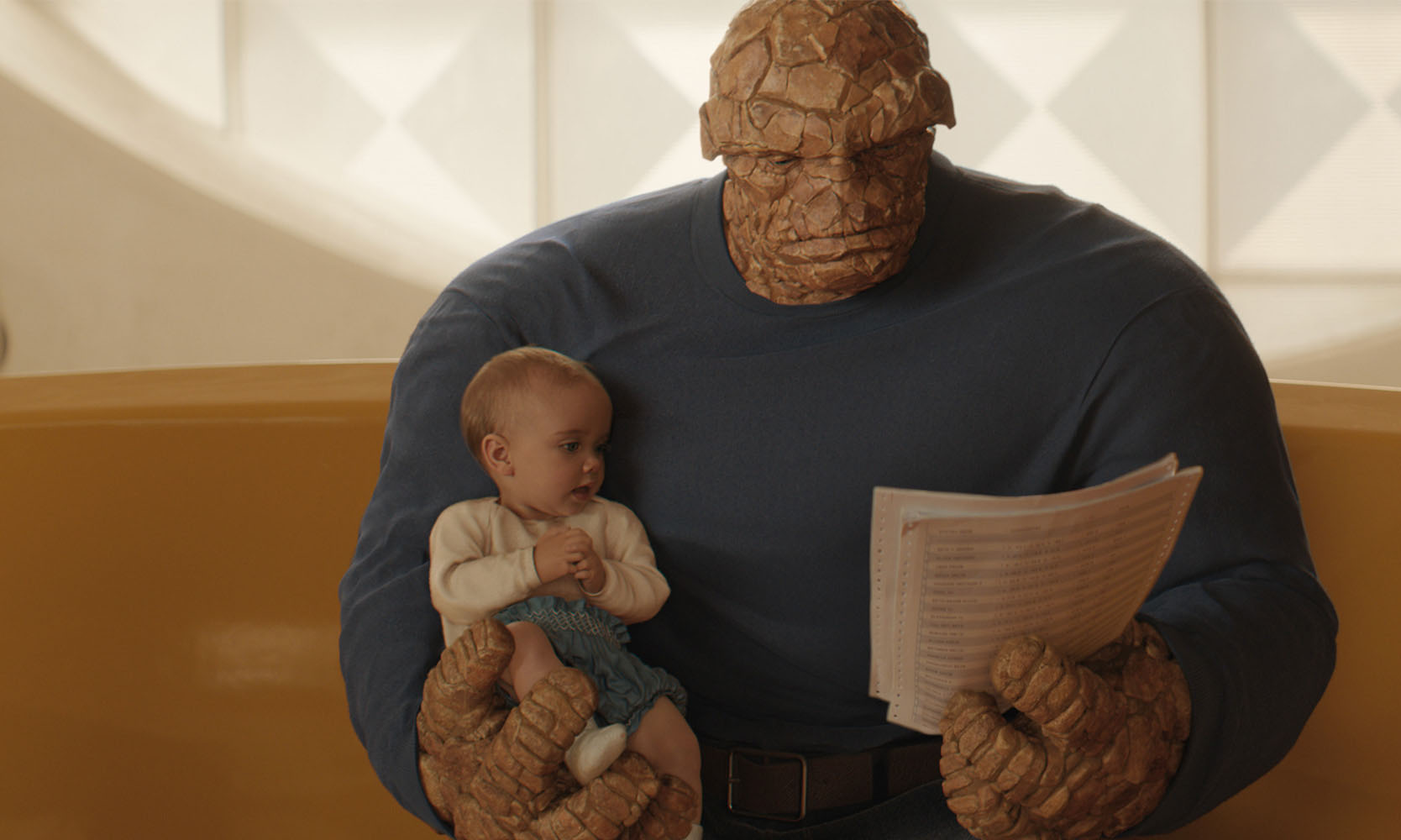
In this episode, Scott explains how the team approached the film as three huge challenges: reimagining the classic powers of the Fantastic Four, grounding those abilities in anatomy and physics, and then embedding everything into a richly art-directed period universe. From Reed Richards’ famously “impossible” stretching, – to the rock-hewn subtlety of Ben Grimm’s facial performance, the conversation digs into the design headaches that could so easily tip into cartoon, and how the team kept every frame heroic, grounded and cinematic.
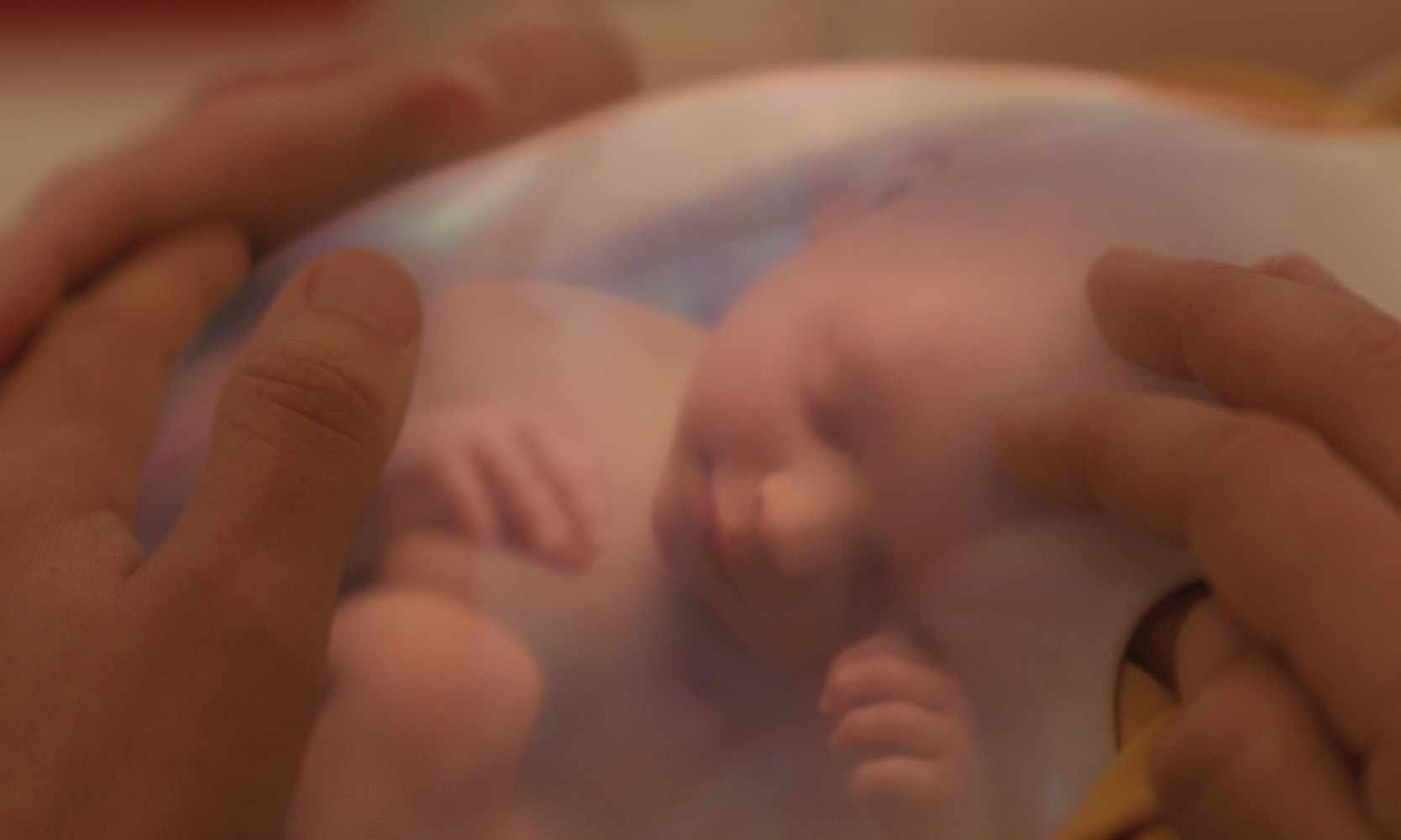
As you can hear in this episode, Scott also dives into the quieter, “invisible” effects that make the film feel real, including the surprisingly gnarly problem of babies in zero-G and the emotional weight of a superhero birth sequence. Scott talks through Digital Domain’s work creating a hero baby that could stay consistent over a four-month shoot, de-aging when infant growth didn’t match continuity, and balancing medical realism with Marvel-appropriate “cinematic choices.”
They also break down the Human Torch’s fiery presence—why LED suits sometimes barely register, how they handled lighting interaction in everything from Times Square to darkened labs, and the optical, multiple-exposure-inspired design of Sue Storm’s powers that leans into ’60s psychedelia while keeping the actress’s performance front and center.
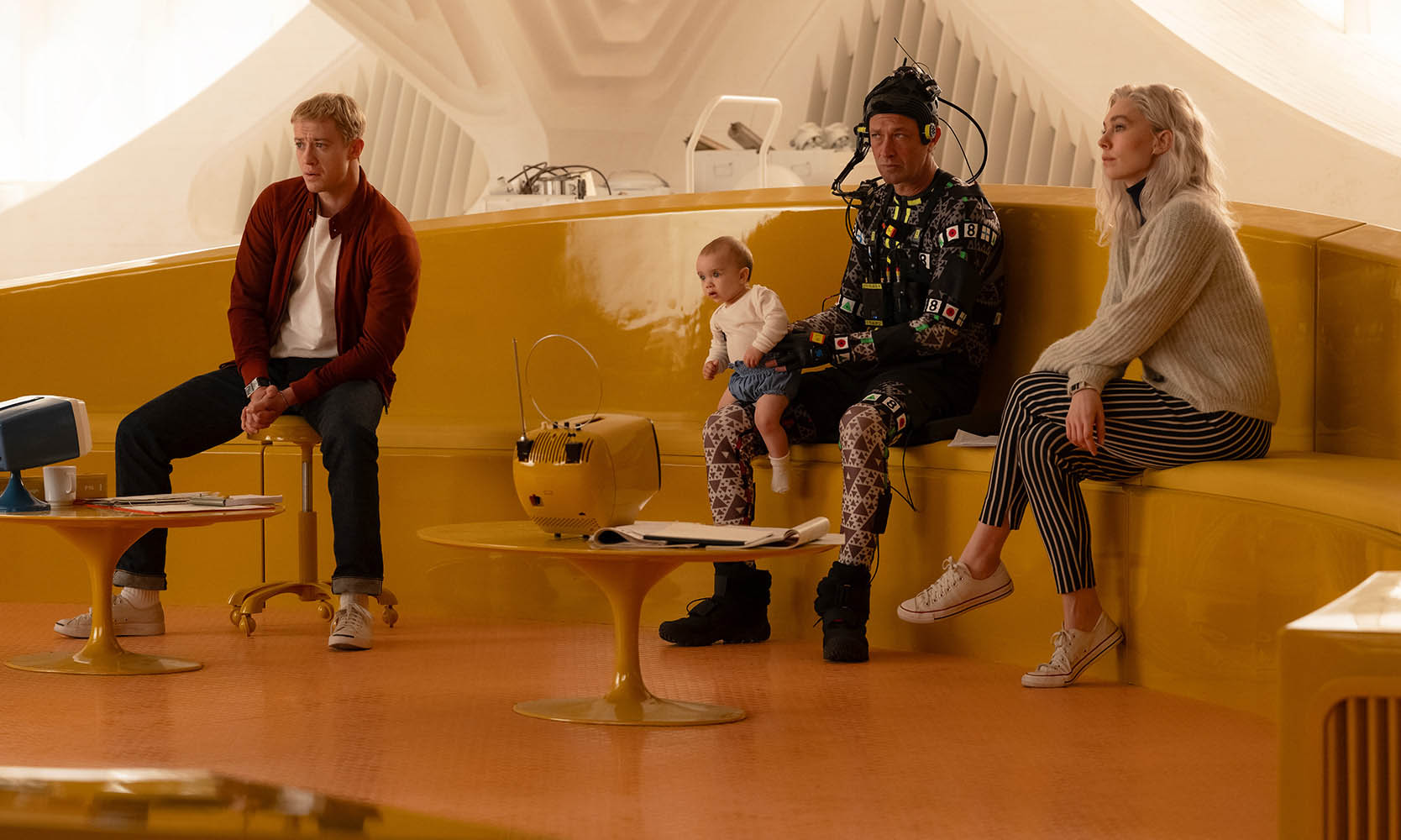
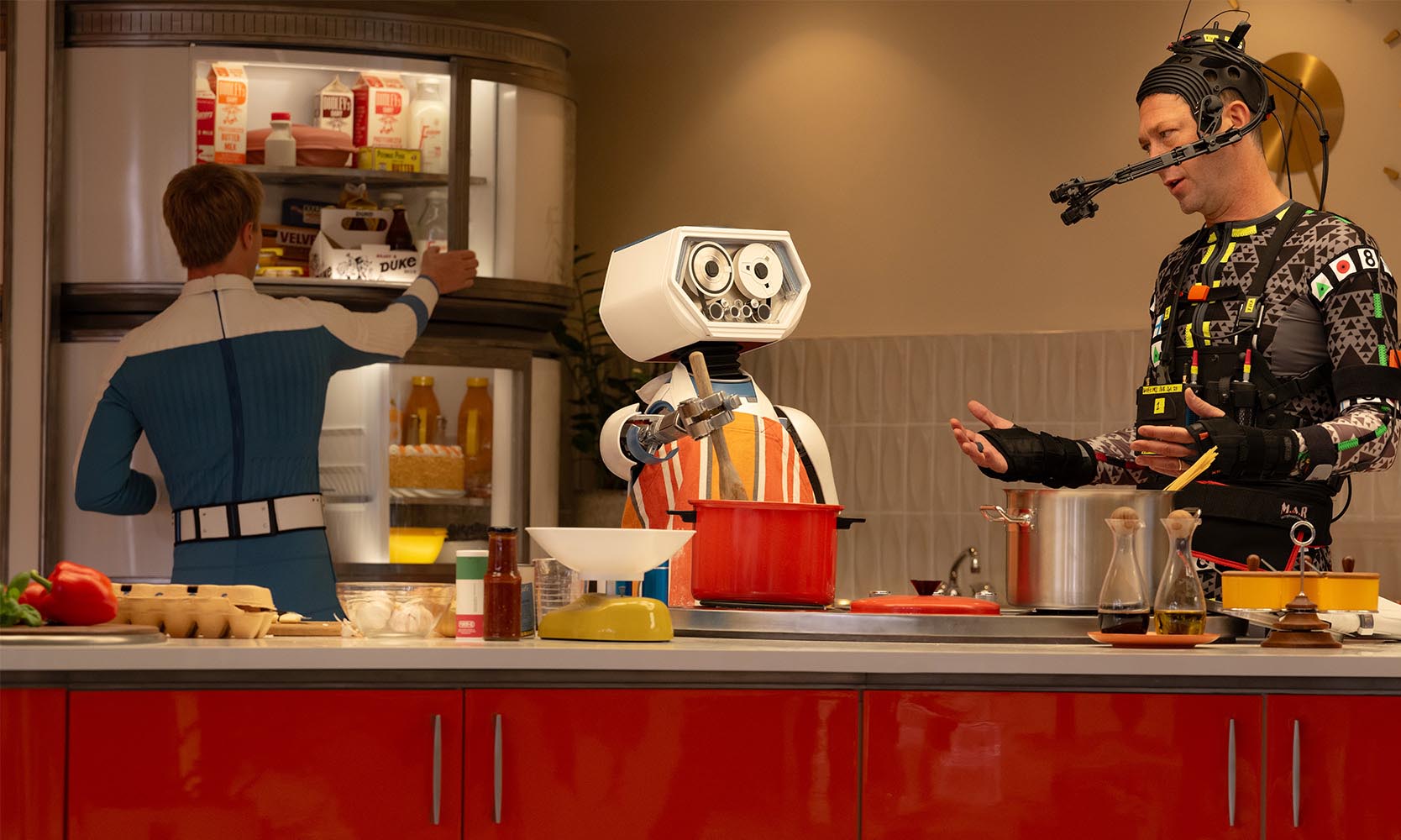
Rounding things out, Scott discusses building the retro New York and cosmic threat of Galactus with an army of top-tier vendors including ILM, Imageworks, Digital Domain and Framestore. Listeners get a peek into shared “brains trust” zoom sessions where animation supervisors and Andy Jones collectively dissected The Thing’s facial shapes, as well as the production’s commitment to period colour palettes, practical reference passes, and treating Herbie the robot like a real on-set performer. Above all, the conversation highlights Scott’s role as keeper of tone and continuity, maintaining a coherent look, performance and emotional arc across ~2,000+ shots and multiple facilities so the audience never thinks about the seams.
Note: Mike is first to admit that in this highly entertaining and enjoyable fxpodcast – there was no good reason why he did not ask Scott about just one of the key characters in the film! “I have no good answer for that.. I just had so much fun with Scott – I forgot”. fxguide would like to formally apologise on behalf of Mike. Steps have been taken…