
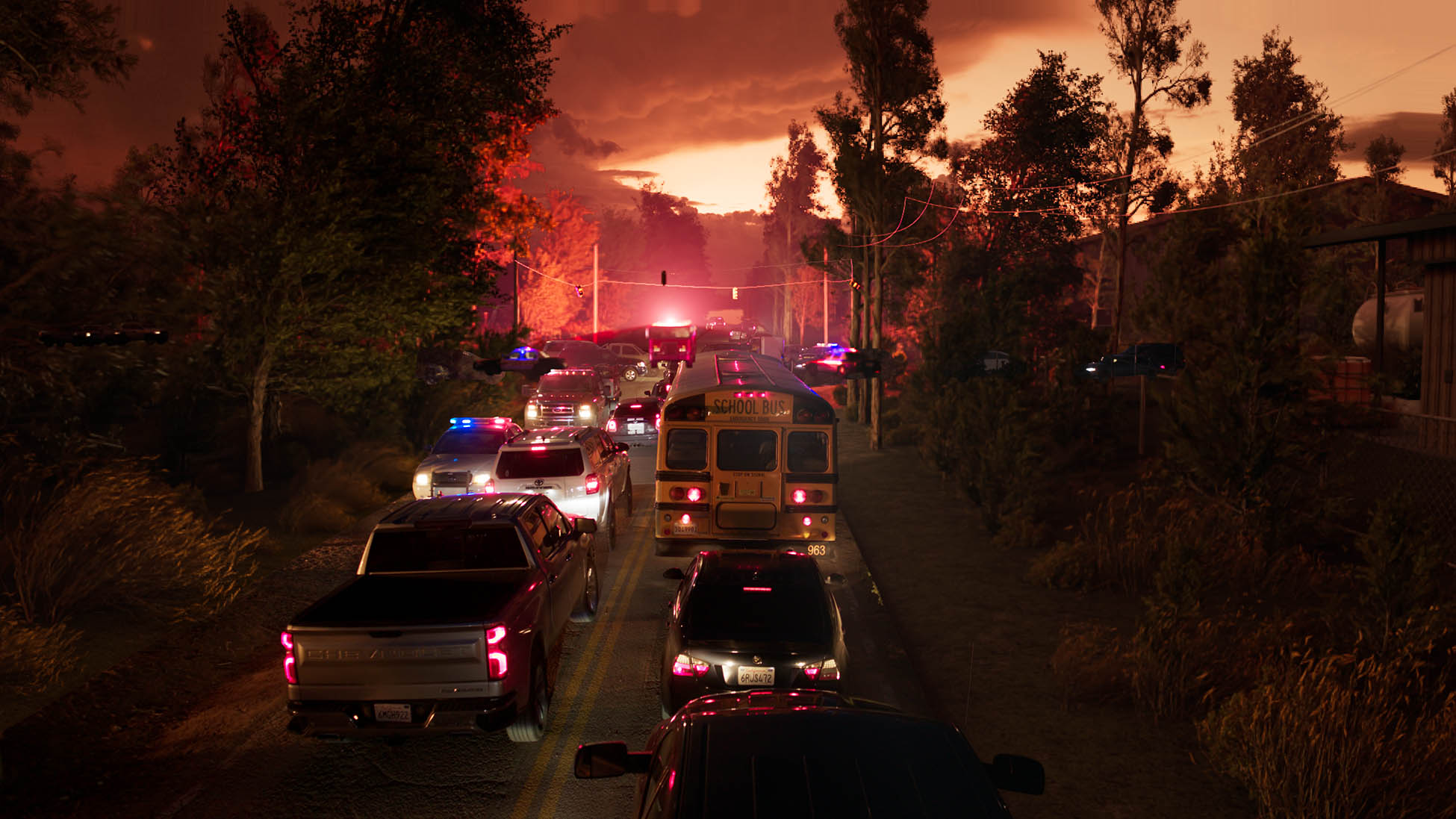
When The Lost Bus earned its Visual Effects Oscar nomination, it wasn’t for spectacle in the traditional sense. There are no superhero battles or alien invasions here. Instead, the film’s nomination recognises something far more difficult: the painstaking recreation of a real, devastating wildfire, and the human lives caught inside it.
VFX lead Charlie Noble discusses the team’s Oscar-nominated work on The Lost Bus. The team combined practical fire, blue screens, and Unreal Engine simulations to recreate a real-life wildfire.
In this week’s fxpodcast, John Montgomery introduces a deep dive into the visual effects of The Lost Bus. Lead VFX supervisor Charlie Noble joins Mike Seymour to unpack the extraordinary effort required to recreate some of the most intense and harrowing fire sequences ever put on screen.
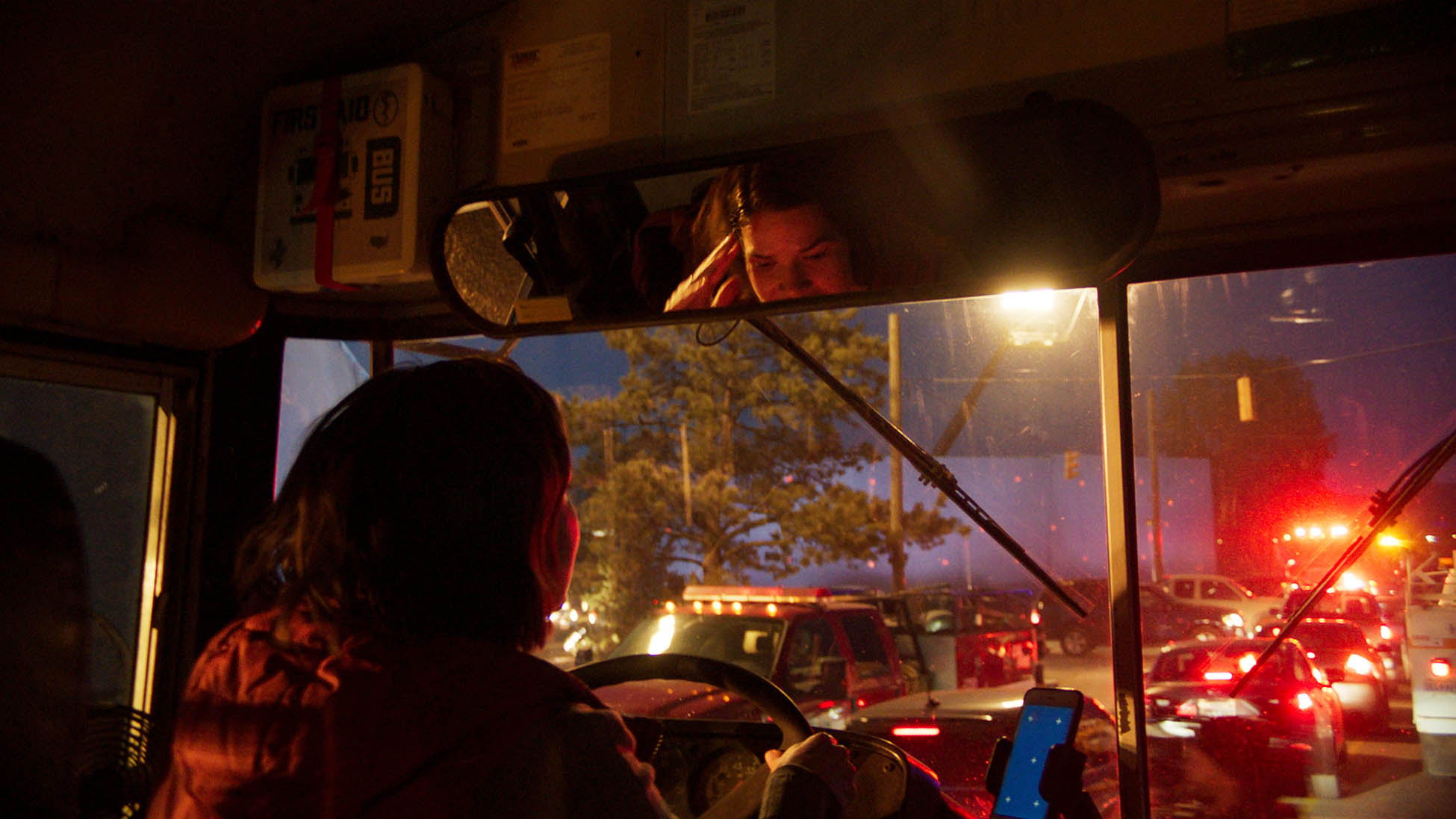
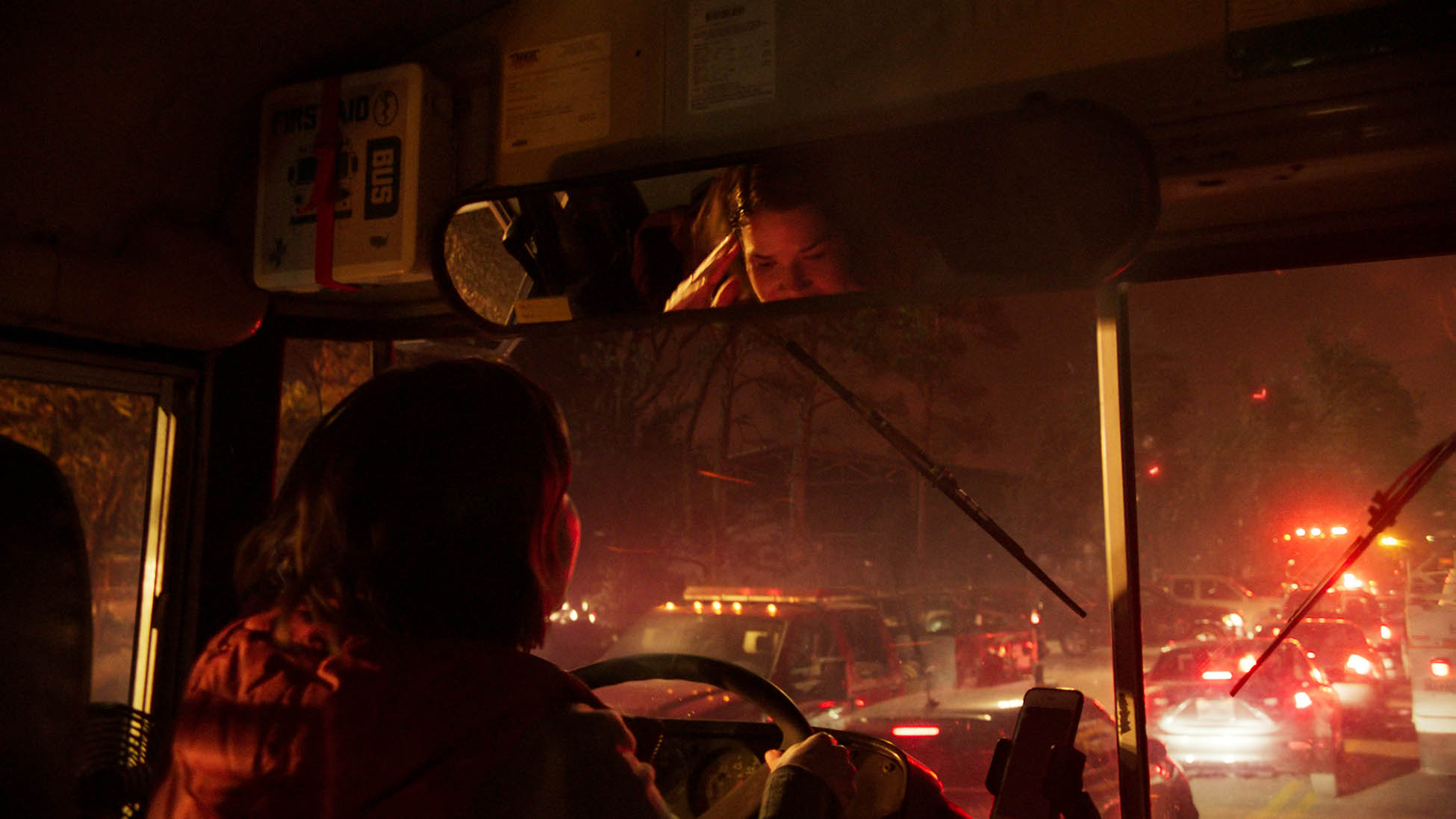
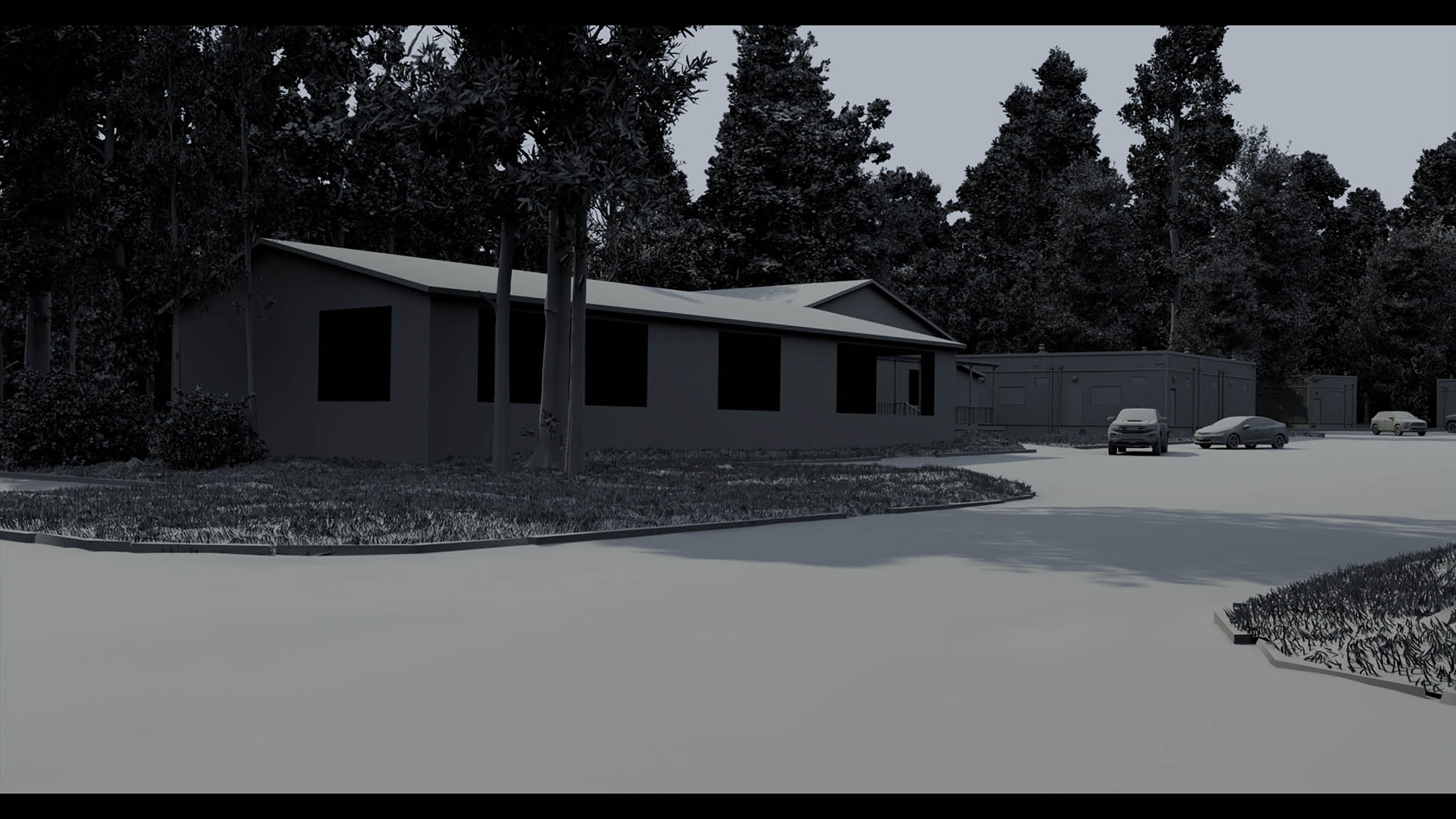
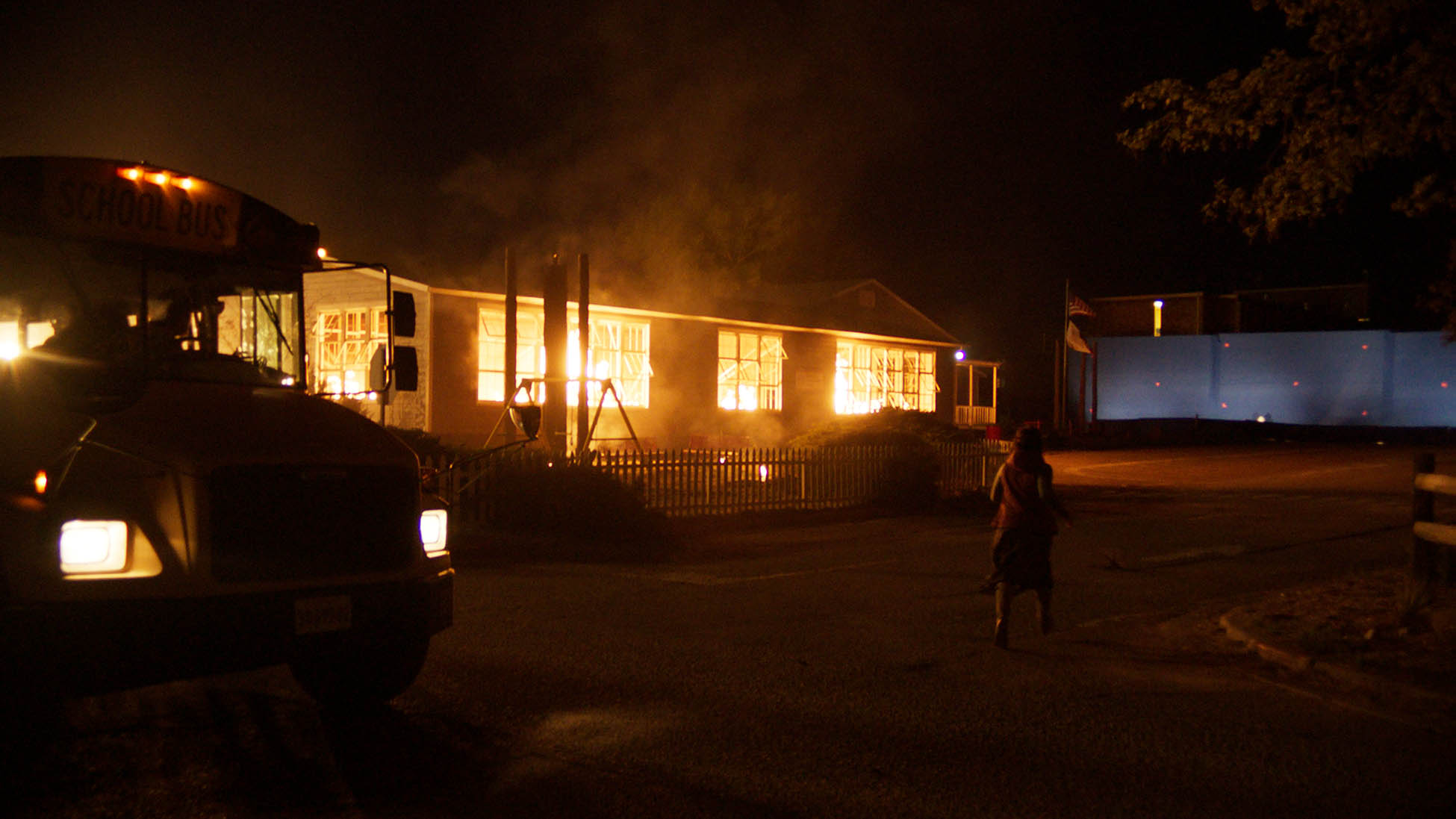
The production was defined by its commitment to realism and safety, particularly regarding the film’s child actors. Noble explains that the children’s exposure to water-based smoke was strictly limited to 20 minutes a day, requiring the bus to be rigged with positive pressure to pump in clean air. This meant the crew had to spend entire afternoons rehearsing for a high-stakes “sunset scramble” to capture essential shots as the light faded.
Key aspects that Charlie discusses in this week’s episode include:
• Virtual Pre-production: The team spent eight months in soft prep, assembling an hour of real-world fire footage from survivors and fire commanders to map out the town of Paradise.
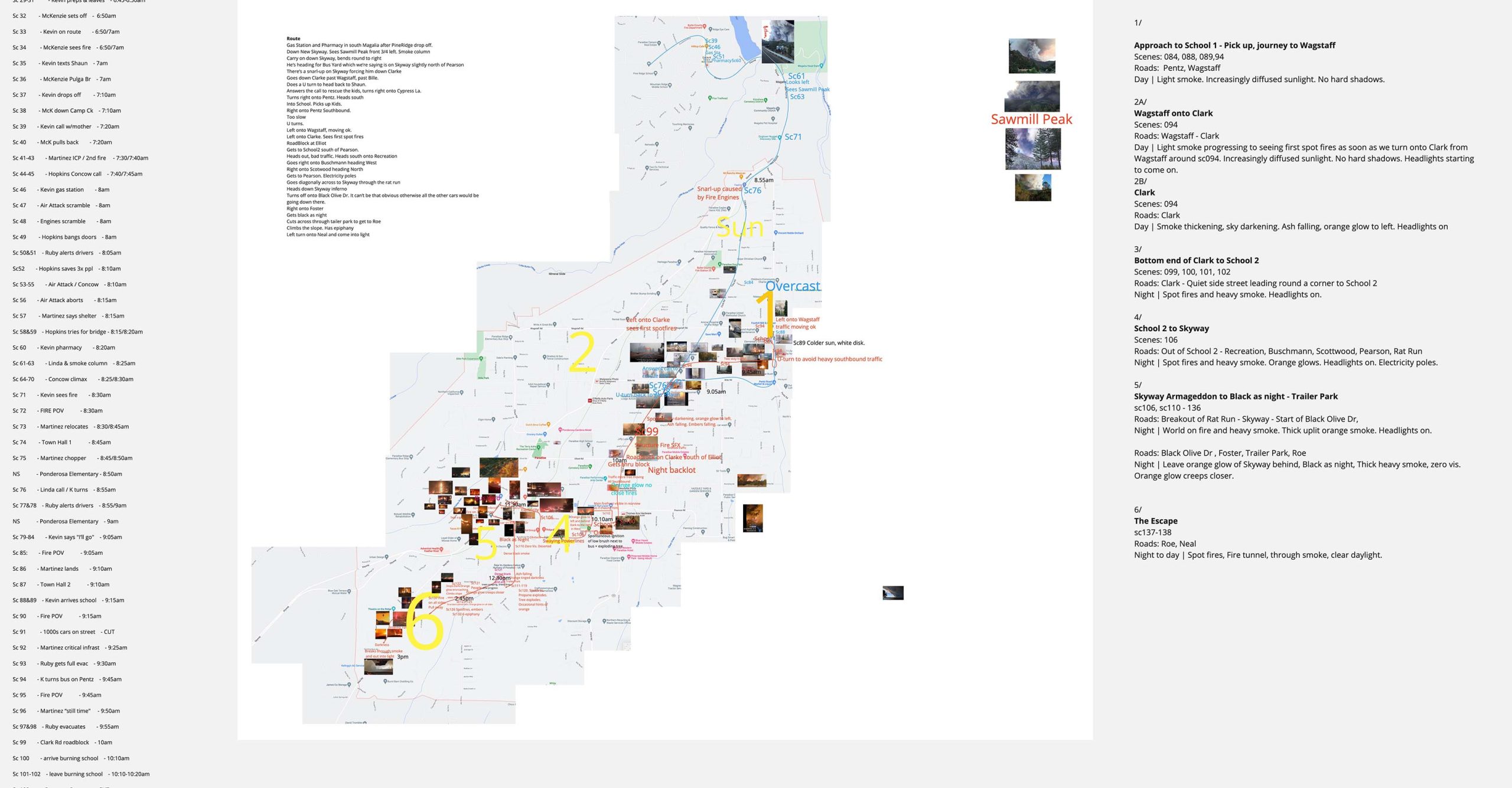
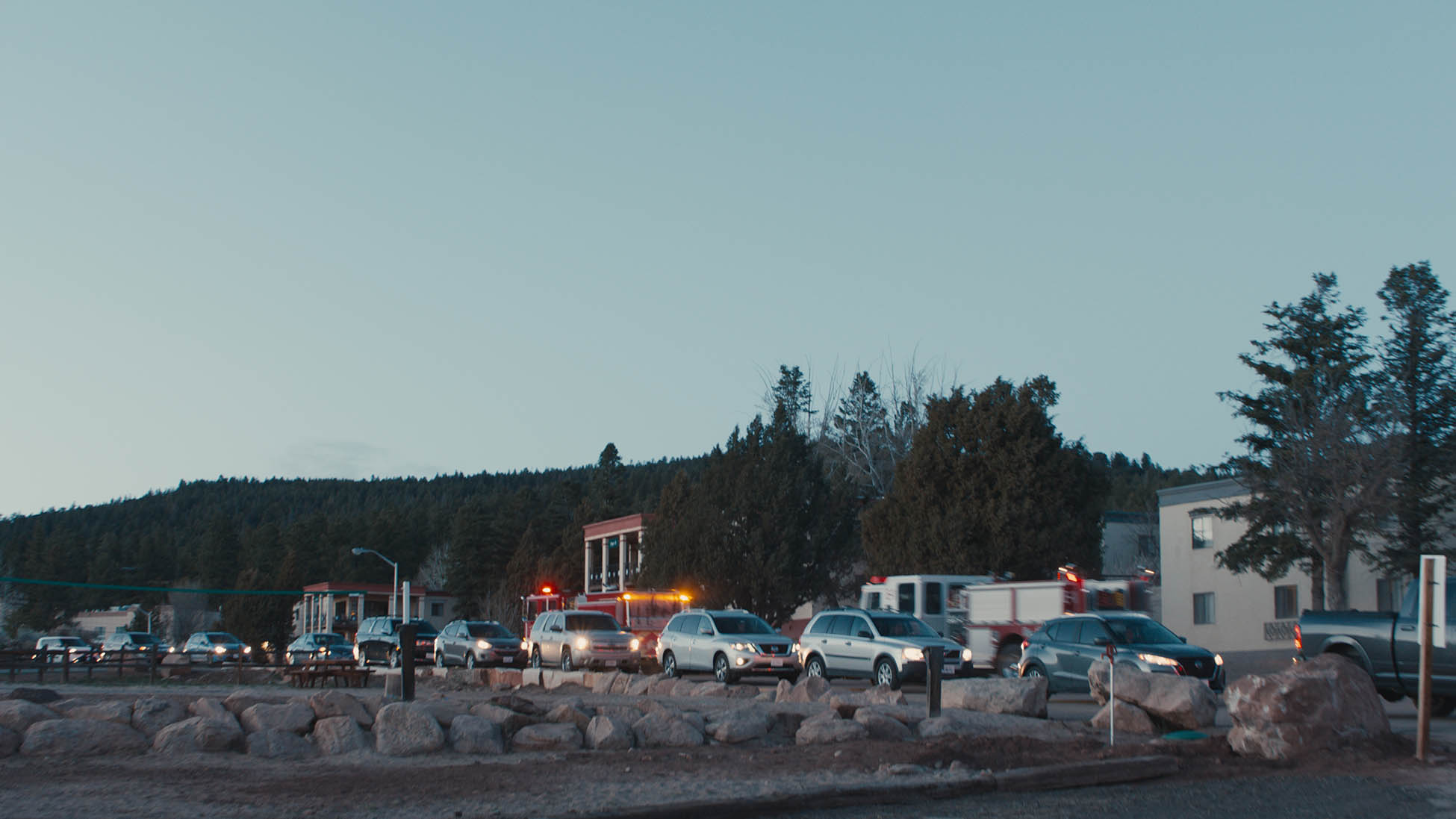
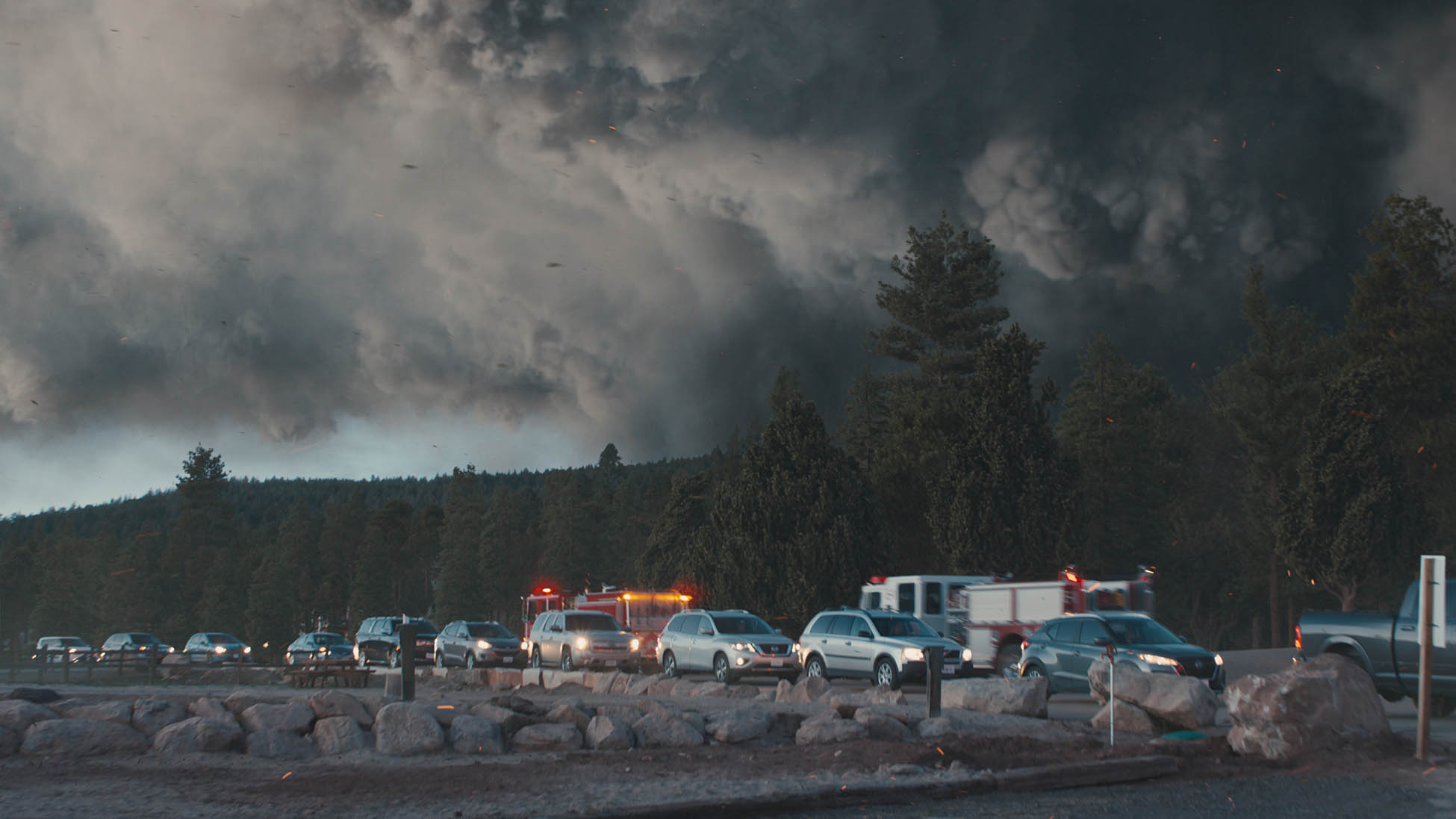
• The Unreal Environment: Noble collaborated with the team at Bow to build the entire bus route in Unreal Engine, allowing them to chart seven distinct stages of the fire—from light smoke to a total “tunnel of fire”.
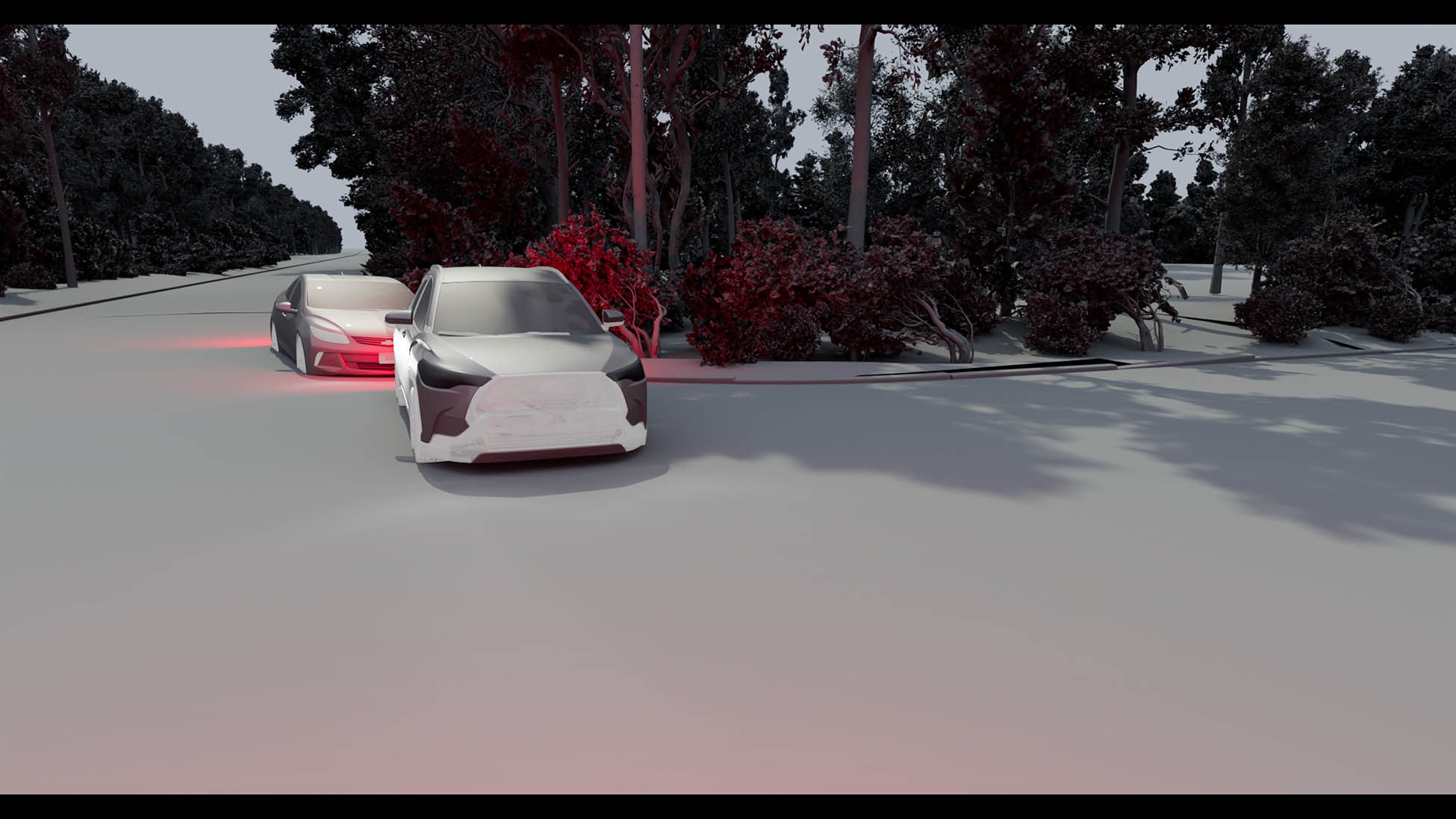
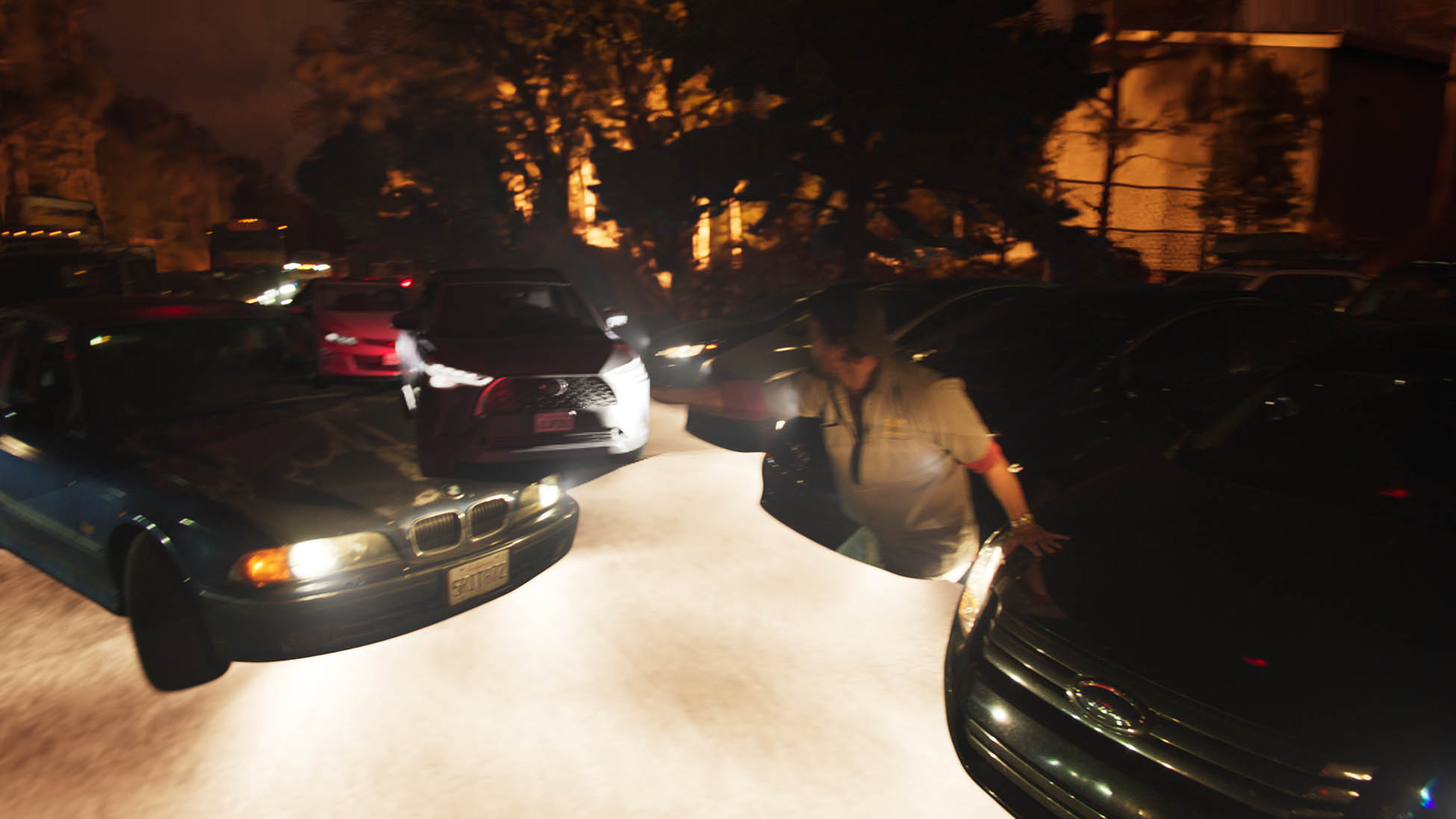
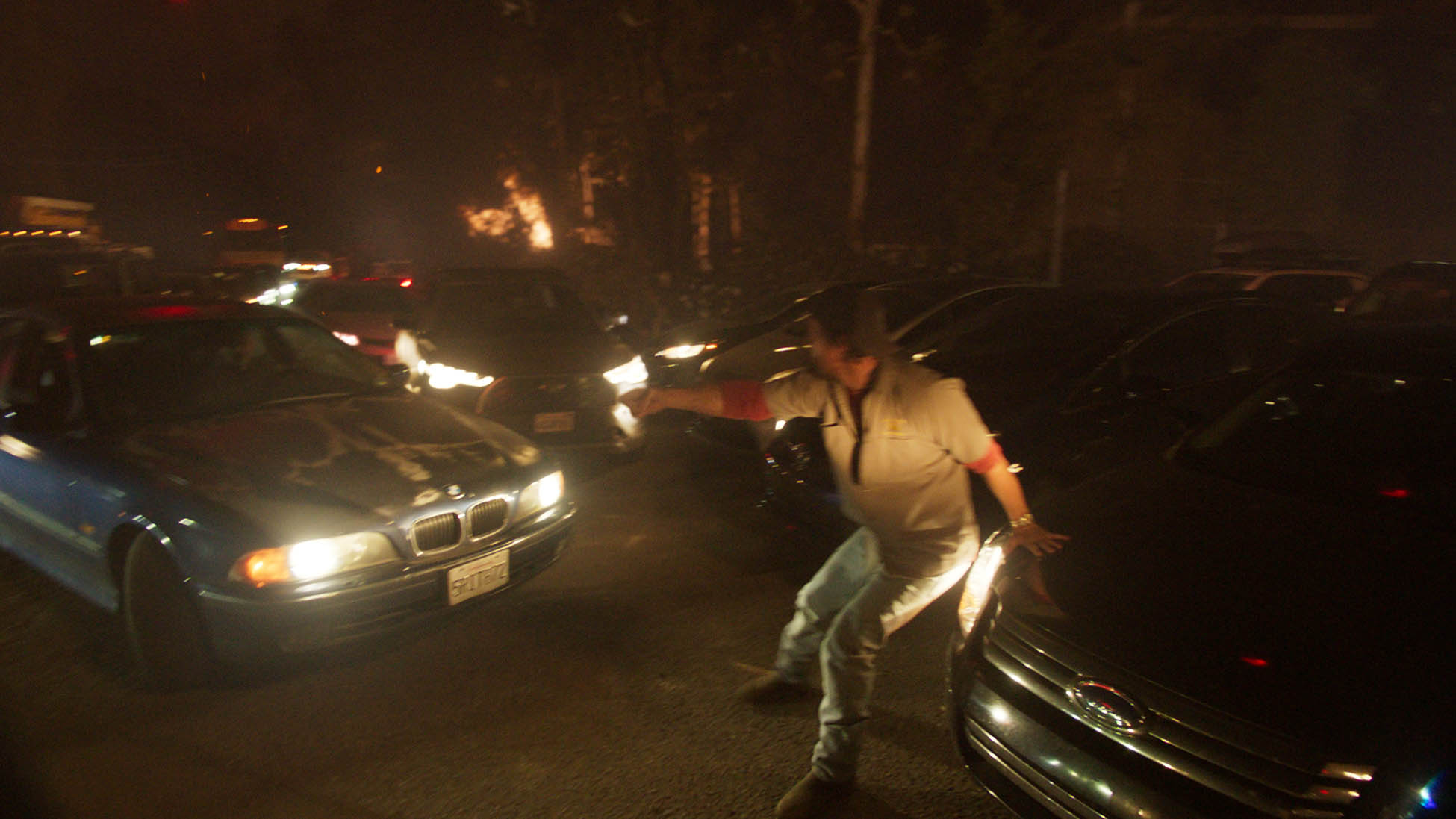
• Practical vs. Digital: While ILM handled the heavy lifting for the most intense firework, the set featured real propane-fuelled metal trees to provide authentic interactive lighting and natural body language from the cast.
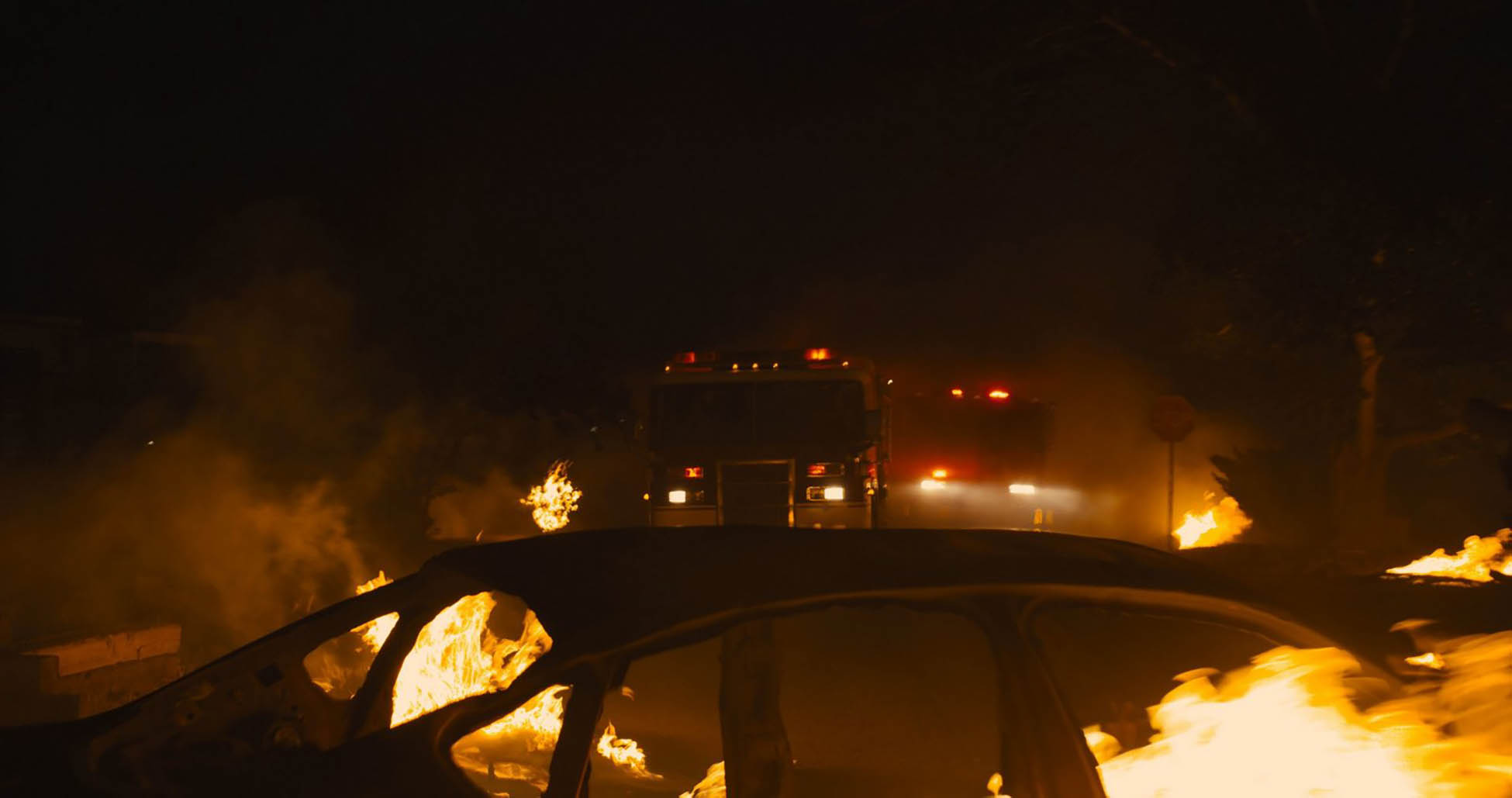
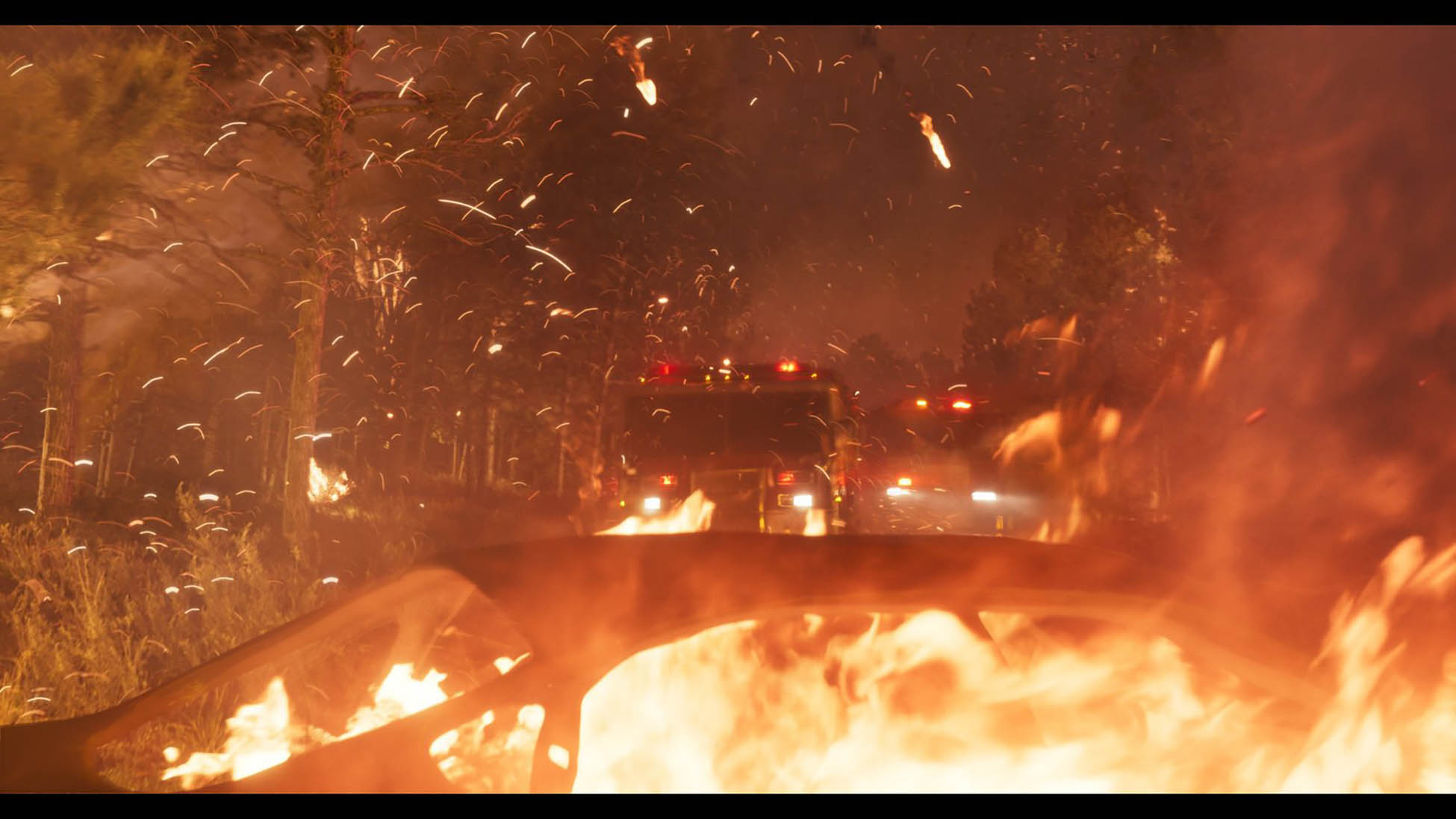
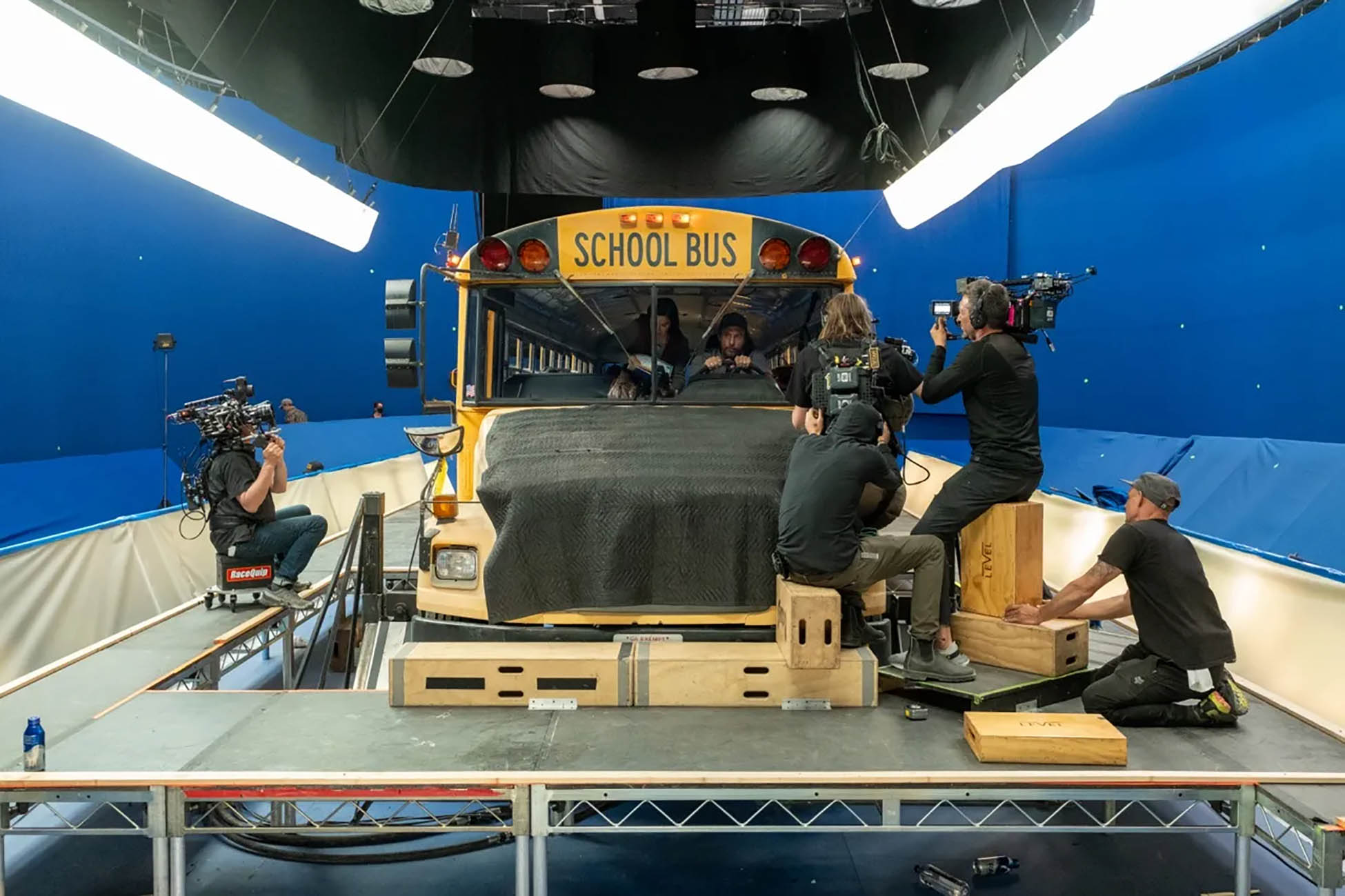
• Innovative Staging: Rather than a full LED volume, the production used blue screens combined with two rings of “mimic lights” and propane bars pushed on dolly tracks to simulate the moving glow of the inferno.
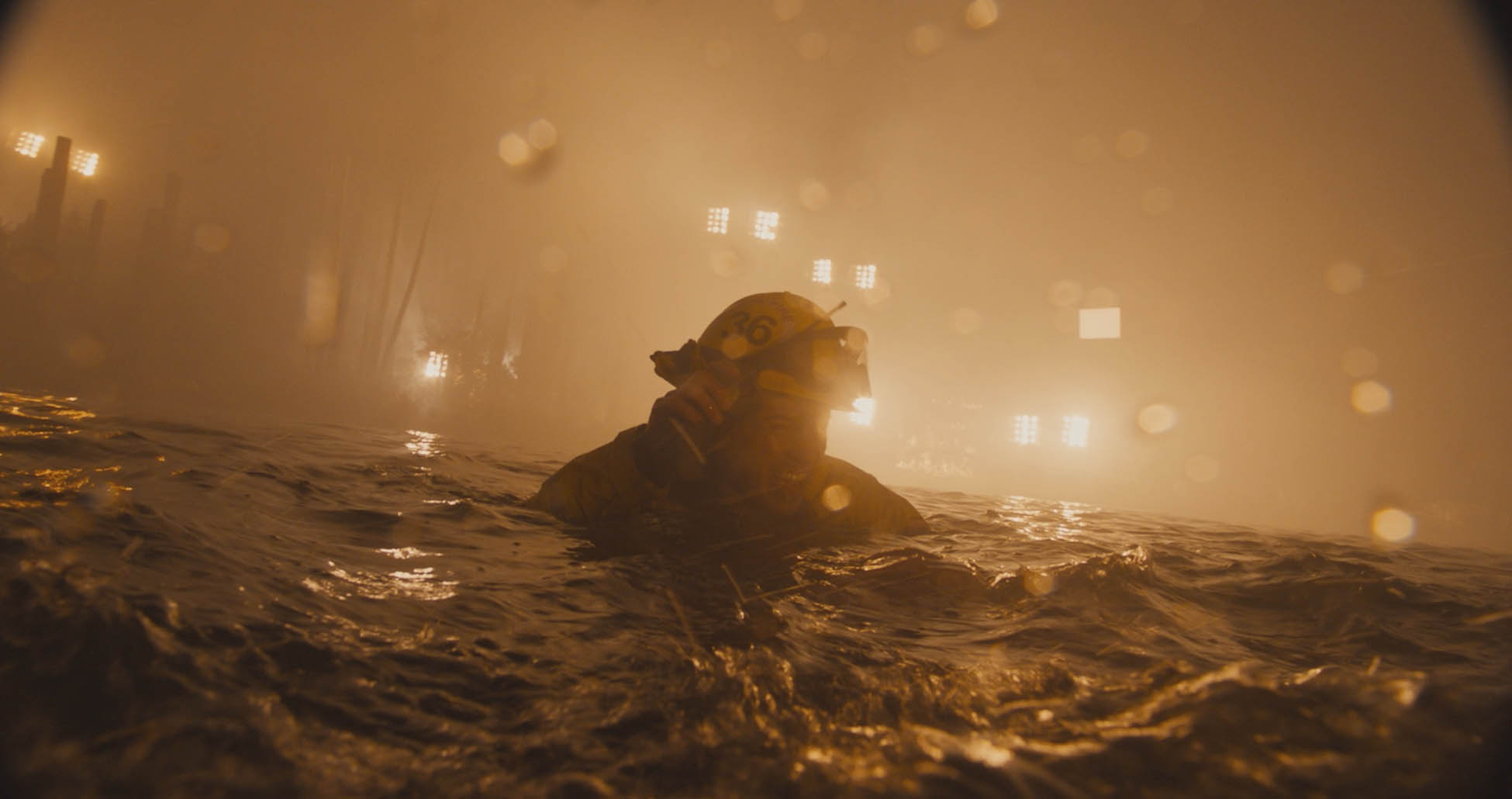
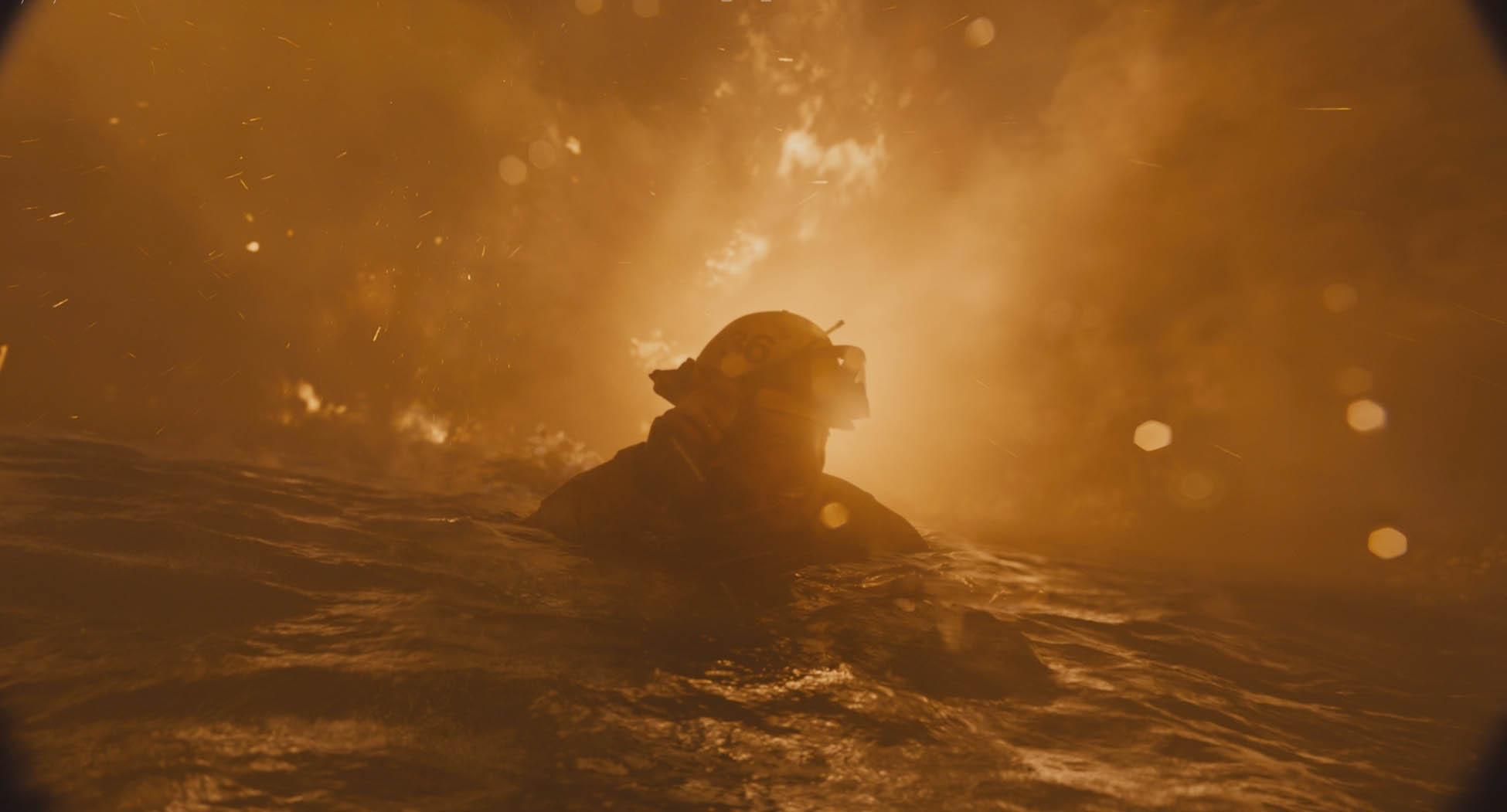
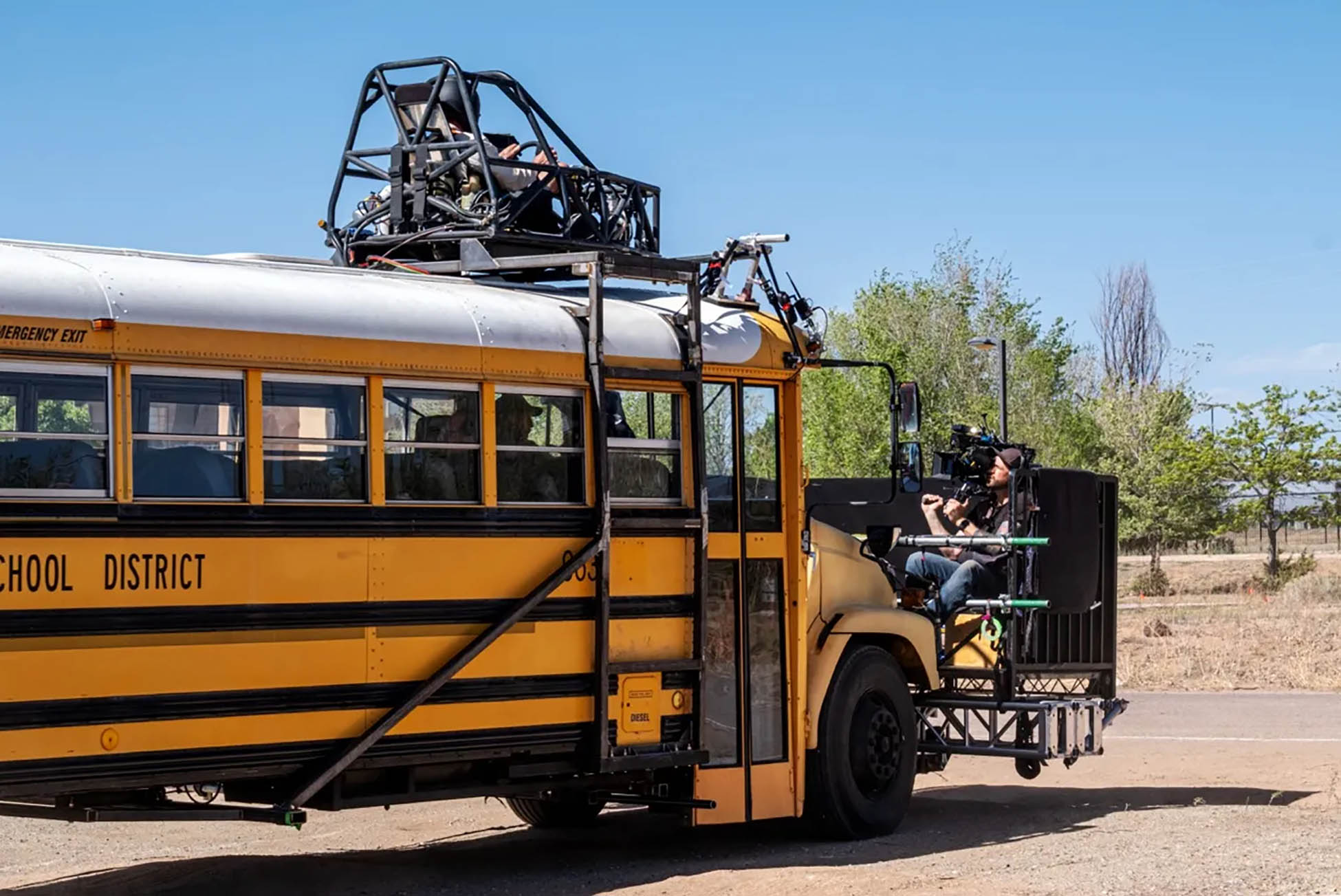
• Camera and Rigging: The film was shot using Alexa 35s, often switching to Super 16 lenses for fire scenes to reduce weight and increase safety for camera operators on the bus. Additionally, the bus was mounted on hydraulic actuators programmed to mimic the jostling of real roads.
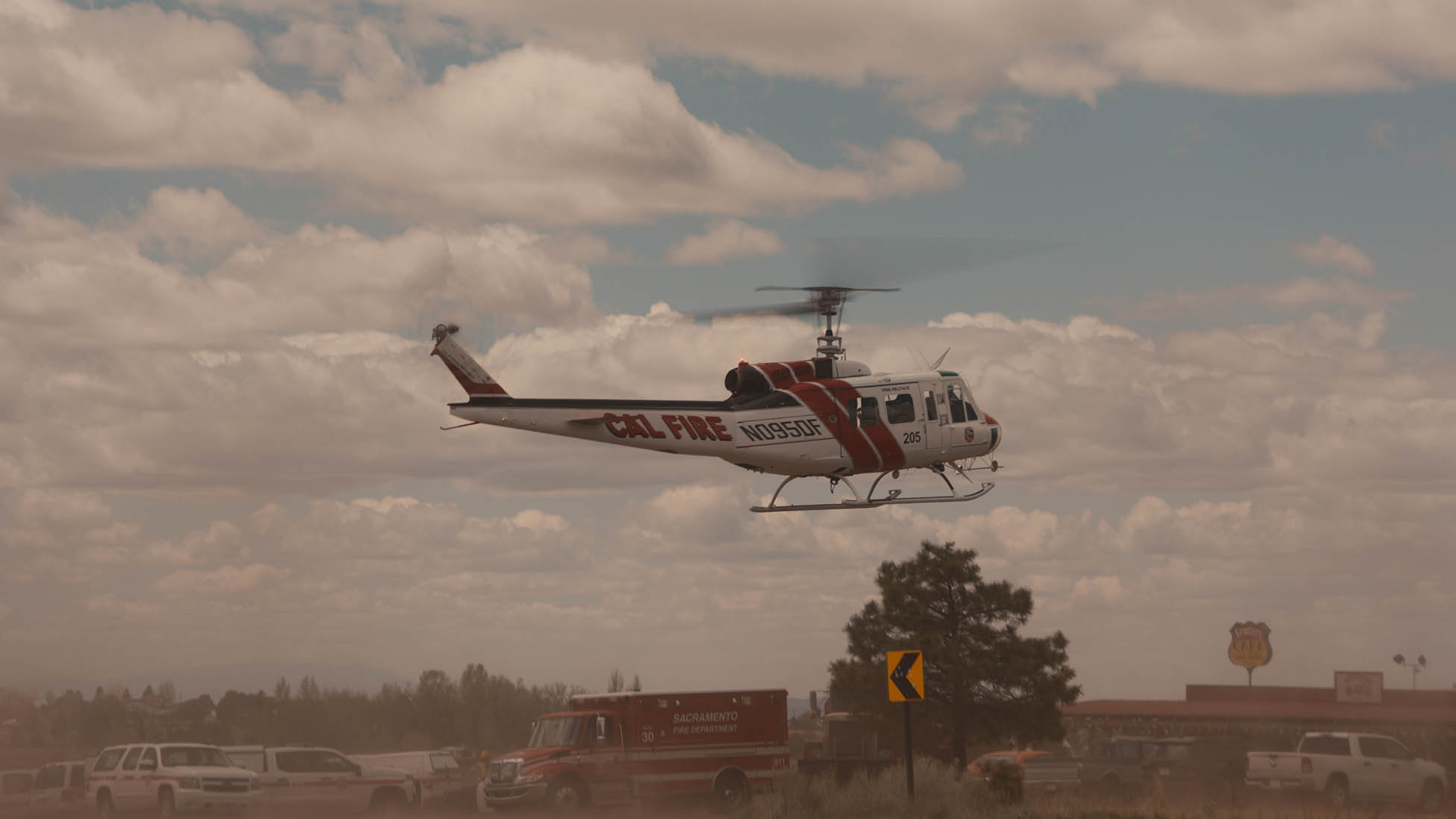
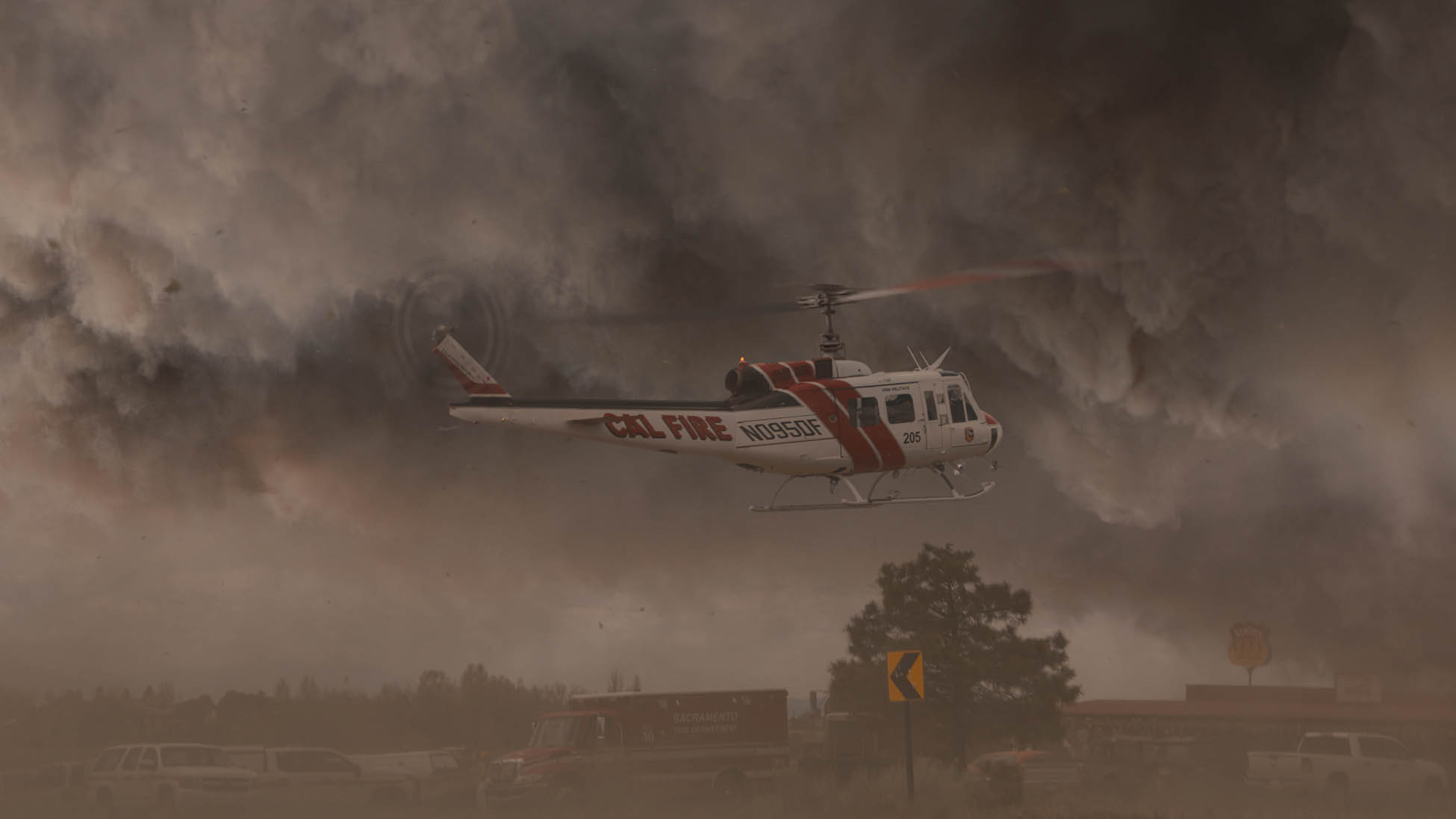
Noble also reflects on the “sobering” responsibility of portraying a real-life tragedy and the supportive atmosphere of the Academy Bake Off, where peers judge the difference between “hard and really hard” work.
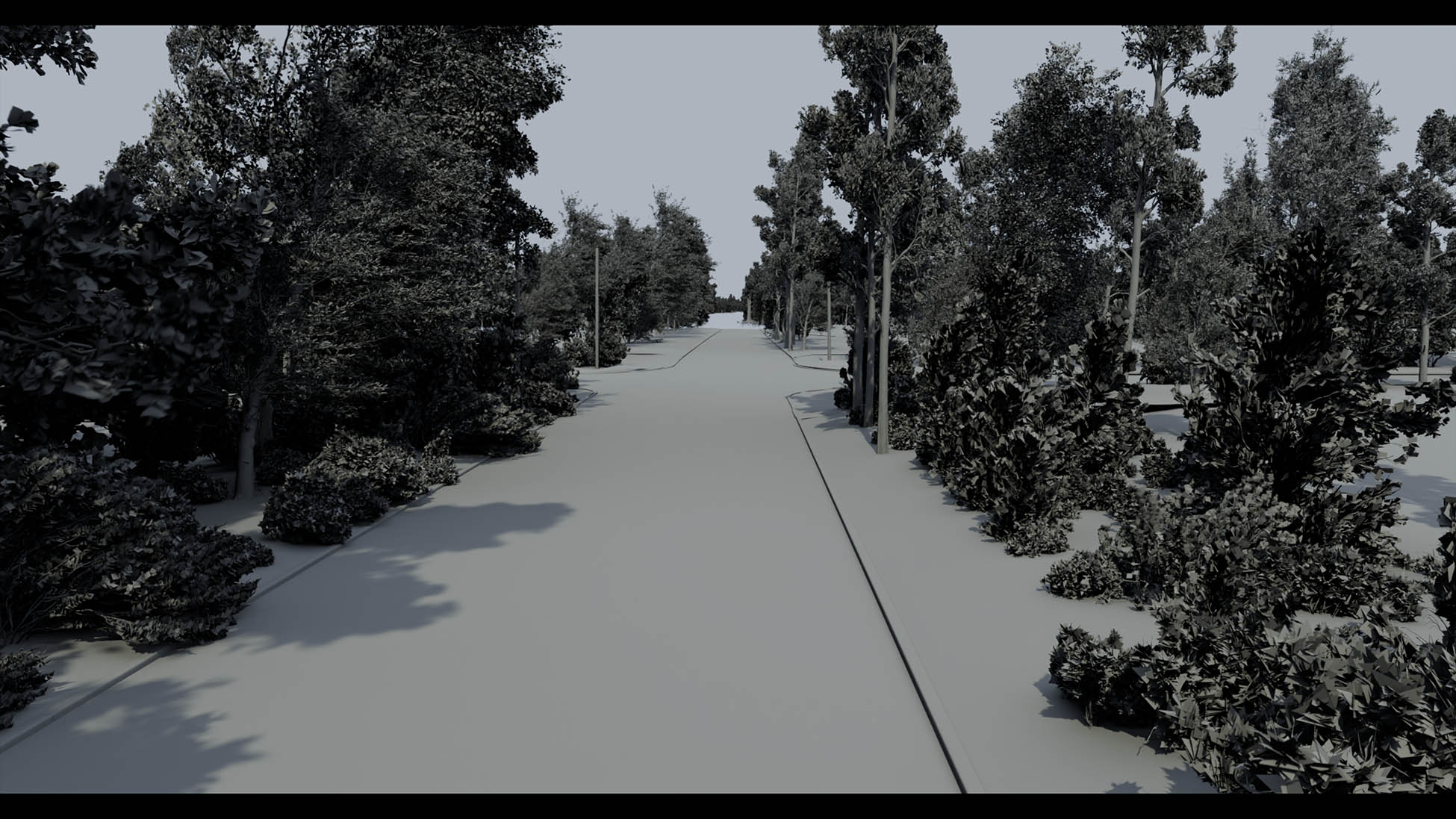
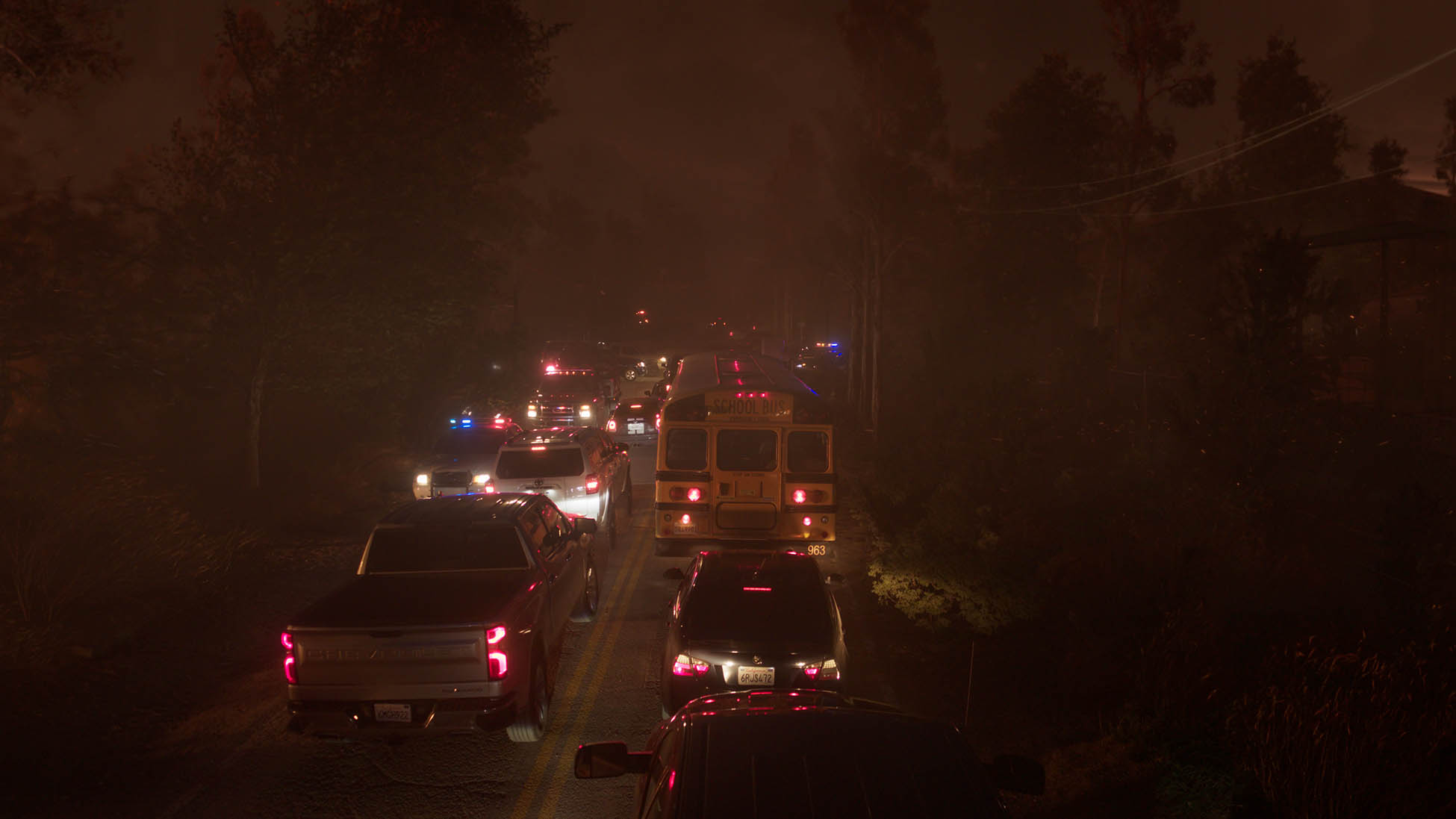
Listen to the full episode on the fxpodcast or watch the interview on Youtube, to hear the complete technical breakdown of this Visual Effects Oscar-nominated film.