
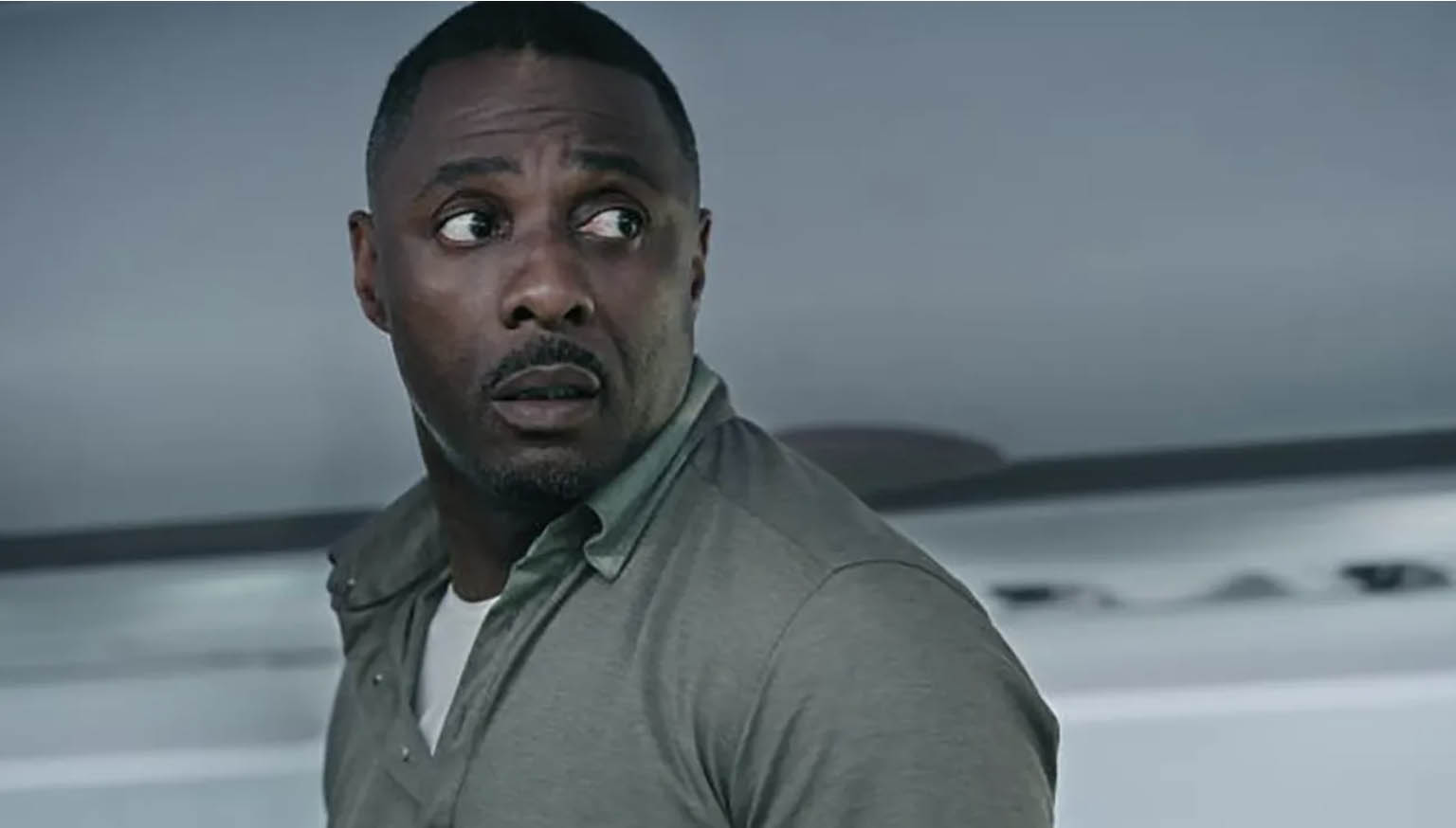
In this episode of the fxpodcast, we talk to DOP Ed Moore and discuss the more technical aspects of filming the hit Apple TV+ series Hijack. The series stars Idris Elba as Sam Nelson, a lawyer and corporate business negotiator caught in a complex web of terrorists and spies. Hijack is set this season in an underground train in Germany.
According to the Hollywood Reporter, Hijack recorded 357 million Nielsen minutes of viewing time for the week its finale debuted. The Idris Elba-led thriller ranked eighth among original series and became the first Apple TV+ show that was not Ted Lasso to make the weekly top 10.
On the latest fxpodcast, we sit down with cinematographer Ed Moore BSC to unpack the visual design behind the second season of Hijack.
While many viewers assumed the show was largely shot in Berlin, Moore explains in this week’s fxpodcast that most of the massive 140-day shoot actually took place on stages in Barking, southeast London, where the production built extraordinarily precise recreations of trains, stations and the central control room. The sets were engineered down to the millimetre, allowing the crew to control lighting, blocking and camera movement with a level of precision that would have been impossible on location. The production did spend several weeks in Berlin toward the end of the shoot, but those plates were often combined with stage work and visual effects.
The visual language of the show also evolved in Season 2. The team shifted to an even wider aspect ratio than the previous season’s 2:1 frame, allowing for more negative space and ensemble staging. This wider frame complements the geometry of the train interiors and lets actors share the frame without constant cutting, heightening tension through looks and spatial relationships.
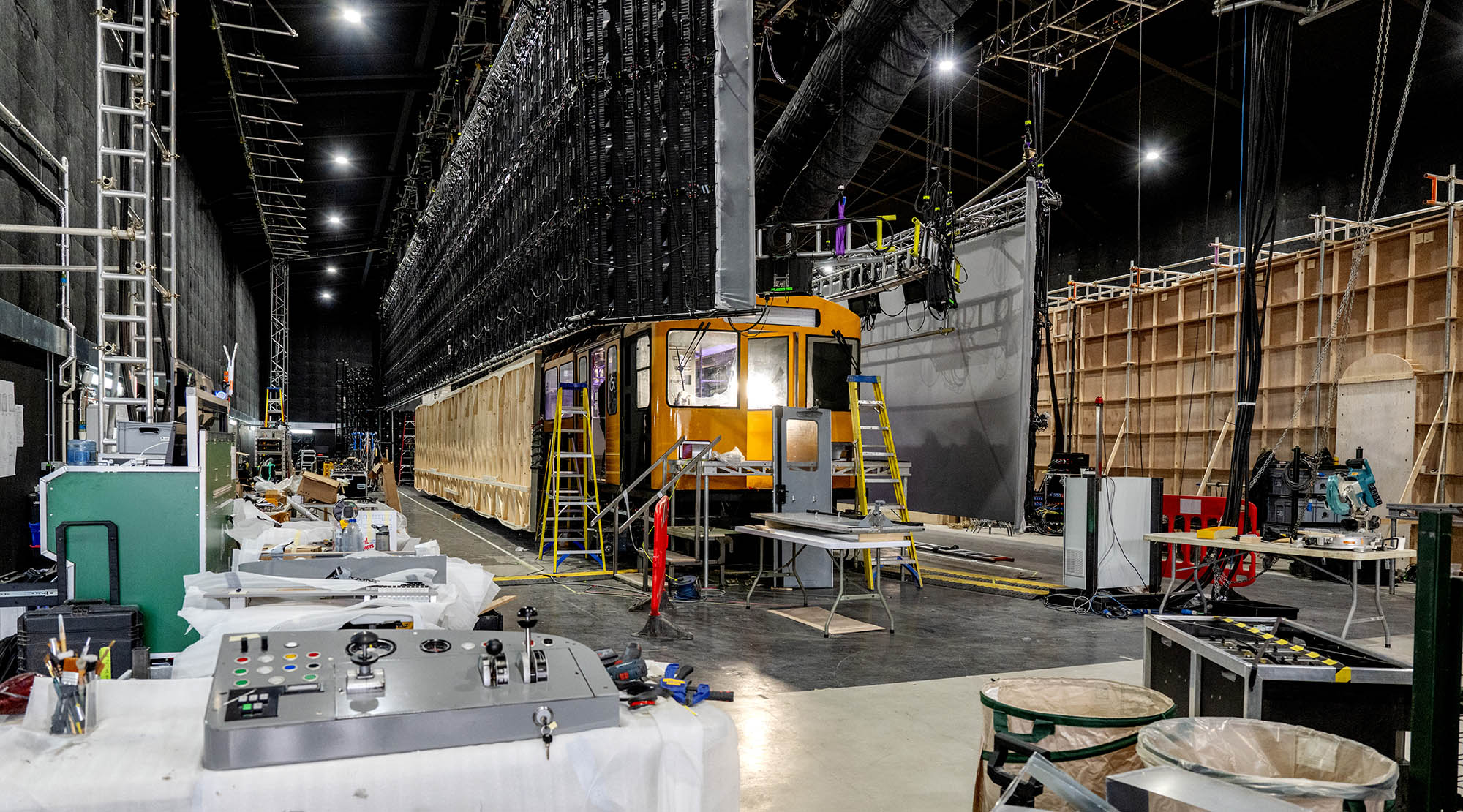
Season 2 also combines practical filmmaking techniques with subtle digital work. Train movement was simulated with a mechanical rig using airbags and hydraulics to create the sway and vibration of carriages at speed. LED volumes were used for exterior tunnel views, while a higher-resolution LED cove drove the forward motion plates in the driver’s cab. These plates were captured in Berlin using a multi-camera array mounted to a utility train and played back at higher frame rates to minimise judder and allow flexible speed adjustments during filming.
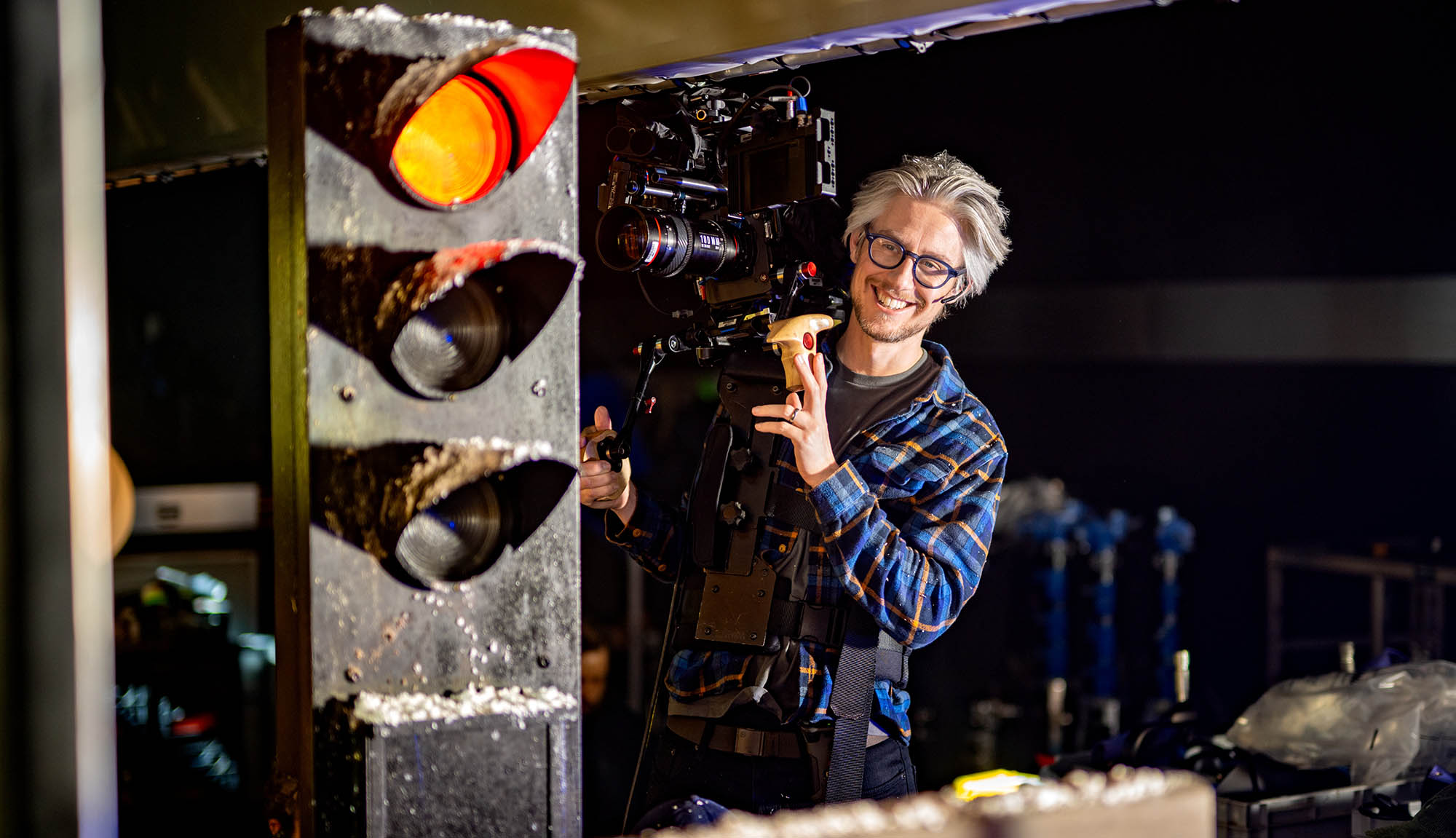
Technically, the production relied on the Arri Alexa 35 paired with Crystal Express anamorphic lenses, with Moore frequently working with a modified close-focus 50mm lens that allowed the camera to move physically close to the actors. The show embraces darker imagery—particularly in the tunnel sequences—often shot at higher ISOs to maintain texture and atmosphere. Practical lighting sources were used as much as possible to ground the scenes in realism.
Visual effects played a significant role in completing the illusion. More than 2,000 VFX shots appear across the season, though much of the work enhances what was captured in-camera rather than replacing it. Effects teams extended environments, blended aerial plates from different locations, added atmospherics and handled technical tasks such as mapping the production’s anamorphic lens characteristics onto drone and plate photography so the imagery would match seamlessly.
The result is a series that feels grounded and tactile despite its technical complexity. Our fxpodcast conversation highlights how Season 2 of Hijack balances practical cinematography, smart stagecraft and invisible visual effects, demonstrating how episodic television increasingly relies on a hybrid production approach to deliver a cinematic experience.
Note:
We had spoken to Ed Moore previously about season 1 here.